
Autor: Shelby Benavidez
Abogado colaborador: Michael Loh, socio
Se supone que el Año Nuevo debe traer esperanza. Un nuevo comienzo. Borrón y cuenta nueva.
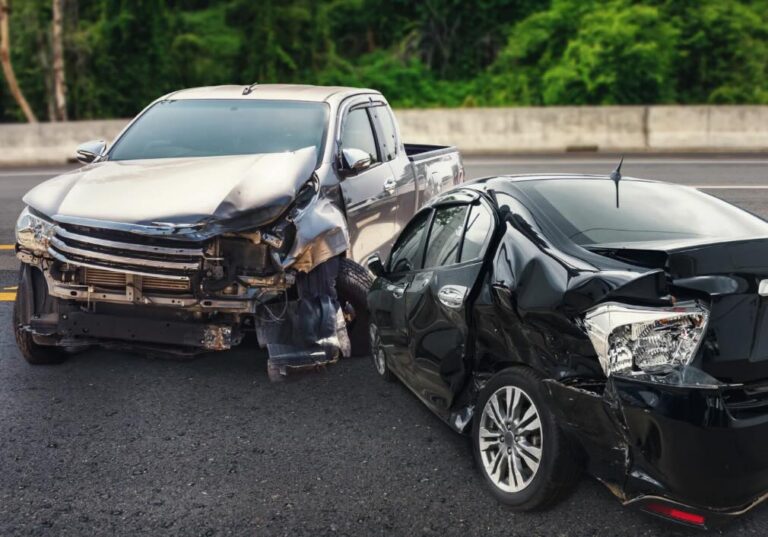
Pero una vez que se descorchan las botellas de champán y pasa la medianoche, algo mucho menos festivo sucede en las carreteras de todo el país. Las salas de urgencias se llenan. Las sirenas resuenan. Las familias reciben llamadas telefónicas que cambian sus vidas para siempre.
Cada año, la Nochevieja y el Día de Año Nuevo se encuentran entre los momentos más peligrosos para estar en la carretera. El alcohol, la fatiga, las calles abarrotadas y la imprudencia se combinan, dando como resultado consecuencias devastadoras.
Si alguna vez te has preguntado por qué los accidentes de tráfico son tan comunes en Año Nuevo, cuán graves son realmente los riesgos o qué puedes hacer para protegerte a ti mismo y a los demás, sigue leyendo. Analicemos con más detalle los datos, las consecuencias reales y las medidas que pueden ayudar a que todos estemos más seguros durante estas fechas.
Estadísticas de conducción de Año Nuevo
Los 5 días con más consumo excesivo de alcohol en Estados Unidos
Las estadísticas no lo cuentan todo, pero sí revelan patrones imposibles de ignorar. Y en lo que respecta a la conducción en Año Nuevo, las cifras pintan un panorama preocupante. El alcohol juega un papel fundamental en los accidentes de tráfico durante estas fechas, y eso empieza por la cantidad de alcohol que se consume.
Según datos nacionales de salud pública, La víspera de Año Nuevo se sitúa sistemáticamente entre los cinco días con mayor consumo excesivo de alcohol en Estados Unidos.. La lista normalmente incluye la víspera de Año Nuevo y el día de Año Nuevo, el 4 de julio.el, la víspera del Día de Acción de Gracias y el domingo del Super Bowl.
Lo que hace que la Nochevieja sea diferente es el horario. El consumo de alcohol suele empezar temprano por la noche y continúa pasada la medianoche. Esto significa que los conductores ebrios están al volante hasta bien entrada la madrugada, cuando la visibilidad es menor y los tiempos de reacción ya están comprometidos.
También es una noche en la que es más probable que la gente conduzca por rutas desconocidas, abandone lugares concurridos al mismo tiempo o subestime su nivel real de embriaguez.
El día más peligroso para conducir bajo los efectos del alcohol.
Si bien en días festivos como el Día de Acción de Gracias y el 4 de julio a menudo se registra un mayor número de arrestos por conducir bajo los efectos del alcohol, El Año Nuevo es ampliamente reconocido como el día más mortífero para los conductores ebrios..En Nochevieja y Año Nuevo, un porcentaje desproporcionadamente alto de accidentes mortales involucran alcohol, y muchos accidentes ocurren entre la medianoche y las 3 de la madrugada.
Es más probable que los conductores tengan concentraciones de alcohol en sangre muy elevadas durante estas vacaciones. De hecho, los datos nacionales de seguridad vial muestran que Aproximadamente 40% o más de las muertes por accidentes de tráfico en Año Nuevo involucran a un conductor ebrio..
En otras palabras, si bien es posible que se produzcan detenciones por conducir bajo los efectos del alcohol o las drogas en otras festividades, es en Año Nuevo cuando la conducción en estado de ebriedad o intoxicación tiene más probabilidades de terminar en muerte.
Predicciones para 2026 sobre la conducción bajo los efectos del alcohol
De cara a 2026, los expertos en seguridad vial prevén tendencias mixtas en lo que respecta a la conducción bajo los efectos del alcohol. Por un lado, la disponibilidad de servicios de transporte compartido sigue expandiéndose y su popularidad está en aumento. Las campañas de concienciación pública de TxDOT e incluso de bufetes de abogados especializados en lesiones personales, como Daniel Stark Injury Lawyers, son más efectivas que nunca, y las leyes sobre dispositivos de bloqueo de encendido se están generalizando.
Sin embargo, las tasas de consumo de alcohol han aumentado en los últimos años. El Consejo Nacional de Seguridad (NSC) predice En 2026, la tasa de mortalidad por conducir bajo los efectos del alcohol será superior a la media en la víspera de Año Nuevo., Se estima que casi 430 personas morirán en las carreteras de Estados Unidos. Esta predicción es casi 21.300 millones de dólares superior al promedio de 423 muertes registradas en los últimos seis años en accidentes relacionados con el alcohol durante la víspera de Año Nuevo.
Los expertos predicen que, a menos que la prevención de la conducción bajo los efectos del alcohol o las drogas se mantenga al ritmo de las tendencias de consumo de alcohol, los accidentes relacionados con el Año Nuevo por conducir ebrio podrían seguir siendo persistentemente altos hasta 2026, especialmente en las zonas suburbanas y rurales donde las alternativas de transporte son limitadas.
Consecuencias de conducir bajo los efectos del alcohol
¿Cuáles son los efectos de conducir bajo los efectos del alcohol?
Los riesgos de conducir bajo los efectos del alcohol no terminan cuando se acaba la fiesta. Para muchas personas, las consecuencias duran toda la vida, y conducir ebrio afecta a mucho más que solo al conductor.
El alcohol ralentiza el tiempo de reacción, perjudica el juicio y reduce la coordinación.. Incluso los conductores que se sienten "bien" a menudo están peligrosamente incapacitados, especialmente de noche, cuando la visibilidad ya es escasa y la fatiga es elevada.
Entre las consecuencias comunes de conducir bajo los efectos del alcohol se incluyen lesiones cerebrales traumáticas o daños en la médula espinal, discapacidades permanentes que requieren cuidados de por vida, traumas emocionales para las víctimas y sus familias, y una enorme carga financiera derivada de las facturas médicas y la pérdida de ingresos.
A diferencia del mal tiempo o las malas condiciones de la carretera, conducir bajo los efectos del alcohol es totalmente evitable y mucho más peligroso, pero aun así hay personas que optan por ponerse al volante.
¿Hasta qué punto puede arruinarte la vida conducir bajo los efectos del alcohol o las drogas?
Mucha gente puede pensar que conducir bajo los efectos del alcohol o las drogas no es gran cosa, sobre todo para quienes lo hacen por primera vez. En realidad, puede cambiar el rumbo de tu vida para siempre. Una condena por conducir bajo los efectos del alcohol o las drogas puede conllevar pena de cárcel o libertad condicional., Miles de dólares en multas y primas de seguro por las nubes. Podrías perder tu licencia; dependiendo de tu profesión, podrías perder tu trabajo; y si eres estudiante, podrías perder tu beca.
Para profesionales, estudiantes y padres por igual, una condena por conducir bajo los efectos del alcohol o las drogas puede cerrar puertas que jamás volverán a abrirse. Y eso sin considerar qué sucede si alguien resulta herido.
Conducir bajo los efectos del alcohol mata.
La peor consecuencia de conducir ebrio no son las multas ni la cárcel, sino el acto irreversible de quitarle la vida a alguien.
Cada Año Nuevo, las familias pierden a seres queridos porque alguien decidió conducir bajo los efectos del alcohol. A veces la víctima es otro conductor. A veces es un pasajero. A veces es el propio conductor ebrio. Ninguna celebración vale una vida.
Lo que hace que estas tragedias sean especialmente desgarradoras es que son totalmente evitables. Compartir coche. Designar a un conductor sobrio. Un plan sencillo hecho con antelación. Cualquiera de esas decisiones podría marcar la diferencia entre el comienzo de un nuevo año y el final de una vida.
Consejos para una conducción segura en Año Nuevo
Para estar seguro en Año Nuevo no se necesita la perfección, solo intención y planificación.
- Planifica tu viaje antes de salir de casa. Antes de salir de casa, antes de tomarte la primera copa, planifica cómo volver a casa de forma segura. No esperes hasta medianoche para averiguarlo.
- Utiliza un servicio de transporte compartido o el transporte público. Si crees que un Uber es caro, no querrás ver una multa por conducir bajo los efectos del alcohol. Créenos: Uber es más barato.
- Designa a un conductor sobrio. Esto no significa elegir a la persona menos ebria de la fiesta. Pídele a un amigo o familiar que te lleve antes de llegar.
- Evite las horas de mayor peligro. Conducir de noche o de madrugada conlleva el mayor riesgo, siendo las horas de mayor peligro entre la 1 y las 3 de la madrugada del día de Año Nuevo. Regrese a casa antes de esa hora o quédese donde está durante la noche.
- Mantente alerta incluso si estás sobrio. Puede que hayas decidido conducir sobrio, pero lamentablemente, otros conductores podrían no haberlo hecho. Mantente alerta ante conductores imprudentes y mantén la distancia. Si observas alguna conducta sospechosa al volante, llama y repórtala.
- Abróchate el cinturón siempre. Los cinturones de seguridad salvan vidas.;Hay infinidad de datos que lo demuestran. Abróchate el cinturón antes de cada viaje.
- Confía en tus instintos. Si una situación te parece insegura, probablemente lo sea. Nunca te subas al vehículo con alguien que haya bebido, aunque parezca estar bien.“
Conducir con seguridad no significa arruinar la diversión. Significa asegurar que todos lleguen a casa para celebrar un día más.
Un nuevo año debería significar nuevas oportunidades: No bebas y conduzcas.
El Año Nuevo representa esperanza, crecimiento y nuevos comienzos. Pero para demasiadas familias, se convierte en un doloroso recordatorio de lo rápido que todo puede cambiar.
Los accidentes de tráfico de Año Nuevo, especialmente aquellos relacionados con la conducción bajo los efectos del alcohol, no son inevitables. Son el resultado de decisiones. Y eso significa que se pueden prevenir.
Ya sea que salgas a celebrar, recibas amigos en casa o simplemente compartas el camino, tus decisiones importan. Al dar la medianoche y comenzar un nuevo año, comprometámonos a que nuestro único propósito de Año Nuevo sea realmente el único que importa: que todos regresen a casa sanos y salvos.