
Autor: Shelby Benavidez
Abogado colaborador: Mark O’Donnell, attorney
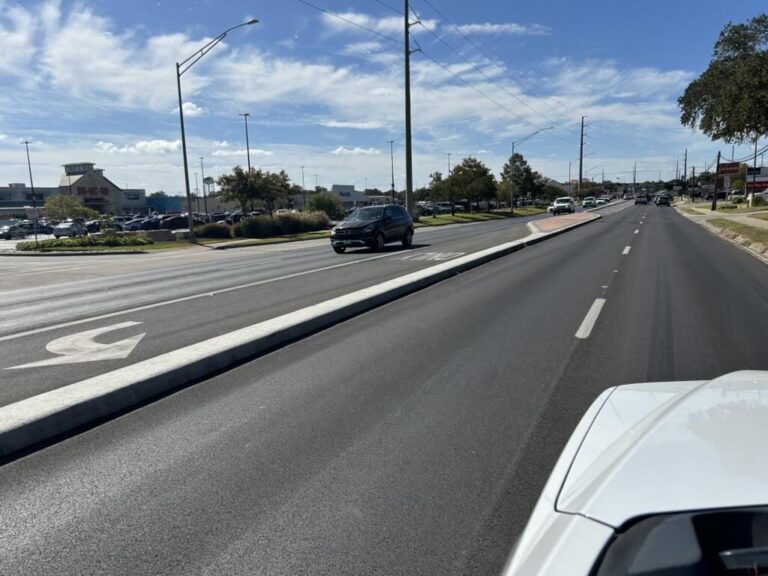
Have you ever been driving to work early in the morning, when all of a sudden, you’re blinded by the harsh rays coming through your windshield? We’ve all been there! But you may not realize how dangerous this actually is. Most drivers think nighttime driving is the riskiest time to be on the road, and it usually is, but harsh sunlight can be just as hazardous. When the sun is low in the sky, it can temporarily blind you, making it difficult to see traffic signals, pedestrians, and other vehicles.
In this blog, we’ll explore why sun glare is a serious threat, practical ways to reduce it, and strategies for staying safe when sunlight interferes with your vision. By the time you finish reading, you’ll have actionable tips to protect yourself, your passengers, and others on the road.
Understanding the Risk
How Does Sunlight Affect Your Driving?
Driving during the day is usually safer than driving at night. You can see further, anticipate obstacles, and react more quickly. However, when the sun is shining directly into your eyes, all of these advantages vanish.
Sun glare can temporarily blind you, and even a brief moment of reduced visibility can be enough to cause a crash. On clear mornings or evenings, when the sun sits low on the horizon, the risk is particularly high.
Additionally, the brightness can be unpredictable. Glare reflects off windshields, mirrors, and even the pavement. Your eyes are forced to constantly adjust, which tires them out and further reduces your ability to focus.
How to Reduce Sun Glare While Driving
Keep Your Windshield Clean Inside and Out
Unfortunately, it’s impossible to completely eliminate sun glare while driving during the day; however, there are a few ways to reduce its severity. For example, dust, smudges, and bugs can amplify the sun’s glare and make it even harder to see. It may be a pain, but keeping your windshield clean – both inside and out – can drastically improve visibility. Don’t forget the rear window and mirrors, too, since reflections from these surfaces can also contribute to glare. Use a high-quality glass cleaner and a microfiber cloth for streak-free results.
Use Your Vehicle’s Sun Visors
Sun visors are one of the easiest tools to reduce glare because they are already in your vehicle. However, it’s important that you angle them correctly. A properly positioned visor can protect your eyes by blocking direct sunlight.
If the visor is angled incorrectly, it can create shadows that make it harder to see certain objects or block your line of sight completely. Unfortunately, there isn’t an exact guide on how to position your sun visor because it depends on your height and the position of the sun. If you’re having trouble seeing, pull over and experiment with slight adjustments until you find the position that blocks the sun without limiting your view. Don’t let your sun visor be an additional distraction while you’re driving.
Polarized Sunglasses Can Reduce Sun Glare
Believe it or not, wearing polarized sunglasses can significantly improve your visibility while driving in direct sunlight. The lenses filter out horizontal light waves that create glare, which improves contrast and puts less strain on your eyes. Unlike regular sunglasses, polarized lenses make it easier to see traffic signals, pedestrians, and other vehicles in bright conditions.
Keep a pair in your car at all times, especially if you often drive during sunrise or sunset. There are many affordable options, making it a simple investment that can prevent accidents and make your drive more comfortable.
What to Do if the Sun Is in Your Eyes While Driving
Avoid Driving During Sunrise and Sunset
The easiest and most effective solution to keeping the sun out of your eyes is to avoid driving entirely when the sun is low in the sky. The risk of being in a car accident is increased during sunrise and sunset, so if you can adjust your schedule, that’s your safest option. Try to leave a little earlier to make it to the office before sunrise, if you can.
However, that’s easier said than done. You may not have a choice if you’re heading to and from work, so plan your route carefully. Choose streets with lots of shade or directions where the sun won’t be directly in your eyes.
Desacelerar
If you can’t avoid sun glare, slow down – don’t try to drive the normal speed limit. Speed limits are set with perfect weather conditions in mind, but when the sun is directly in your eyes, your reaction time is delayed. When your visibility is reduced, your brain doesn’t have the information it needs to make a quick decision. By reducing your speed, you give your brain more time to process the information and make a rational decision to keep you and other drivers safe on the road.
Along with reducing your speed, it’s important to increase following distances, as well. It can be difficult to see brake lights with the sun shining in your eyes, so giving yourself extra space can prevent you from causing a rear-end accident.
Key Takeaways: How to Stay Safe When Driving With the Sun in Your Eyes
Driving with the sun in your eyes can feel unavoidable, which is what makes it so dangerous. It’s important to remember that just because the sun was in your eyes doesn’t mean that you won’t be held liable for causing a crash.
By understanding the risks, using the right tools like sun visors and polarized sunglasses, and adjusting your driving habits, you can dramatically reduce the chances of a glare-related accident.
Safety is about anticipating hazards. Planning your drives to avoid sun glare, keeping your windshield clean, and slowing down when needed are simple, proactive measures that protect you, your passengers, and everyone sharing the road.
FAQs about Sun Glare While Driving
What times of day are most dangerous for sun glare?
Sunrise and sunset are the most dangerous times because the sun sits low in the sky, directly in the line of sight for many drivers.
Can polarized sunglasses eliminate sun glare completely?
Polarized sunglasses can significantly reduce glare, but no sunglasses can remove it entirely.
Is sun glare worse in winter or summer?
Sun glare can affect drivers year-round. However, it often feels worse in winter because the sun stays lower in the sky throughout the day, prolonging the stretch of poor visibility.
Do I have to slow down if the sun is in my eyes?
Yes, you should slow down. When you’re driving with a sun glare, your visibility is reduced, causing your brain to have slower reaction times. Slowing down and increasing following distance can prevent you from causing an accident.
Can I be found at fault for a rear-end accident if the sun was in my eyes?
Yes. Part of your responsibility as a driver is to adjust your speed and following distance in poor visibility conditions. If you rear-end someone because the sun was in your eyes, you may still be found at fault for the accident. However, it’s important to remember that every situation is different, and each case should be evaluated independently.