Autor: Shelby Benavidez
Abogado colaborador: Spencer Smith, abogado
Tabla de contenido
TL;DR: Weather Related Car Accidents
- Rain, flash floods, black ice, fog, and high winds can make Texas roads dangerous and increase the risk of a bad weather car accident.
- Drivers should slow down, leave more space between vehicles, avoid sudden braking, and adjust their driving to match road conditions.
- Bad weather does not automatically mean no one is responsible for a crash. A driver may still be at fault if their actions contributed to the accident.
- Your insurance coverage after a weather-related accident depends on what caused the damage and the coverage included in your policy.
- If you’re injured and fault or insurance coverage is disputed, a weather related car accident attorney can investigate what happened and help you understand your options.
Texas doesn’t really do seasons. Snow rarely makes an appearance, but flash floods, heavy rain, thick fog, and the occasional patch of black ice? Those are no strangers to Texas roads.
And because Texas weather likes to keep us guessing, conditions can change fast. But when bad weather leads to a crash, who is actually responsible: the driver or the weather?
Rain, ice, fog, and flooding can make driving more dangerous. But drivers also have a responsibility to adjust to the conditions around them. That could mean slowing down, leaving more room to stop, or deciding the safest choice is not to drive at all.
Whether you’re trying to avoid a crash during the next Texas storm or dealing with the aftermath of one, here’s what you should know about Texas bad weather car accidents.
Causes for Bad Weather Car Accidents
Heavy Rain and Wet Roads
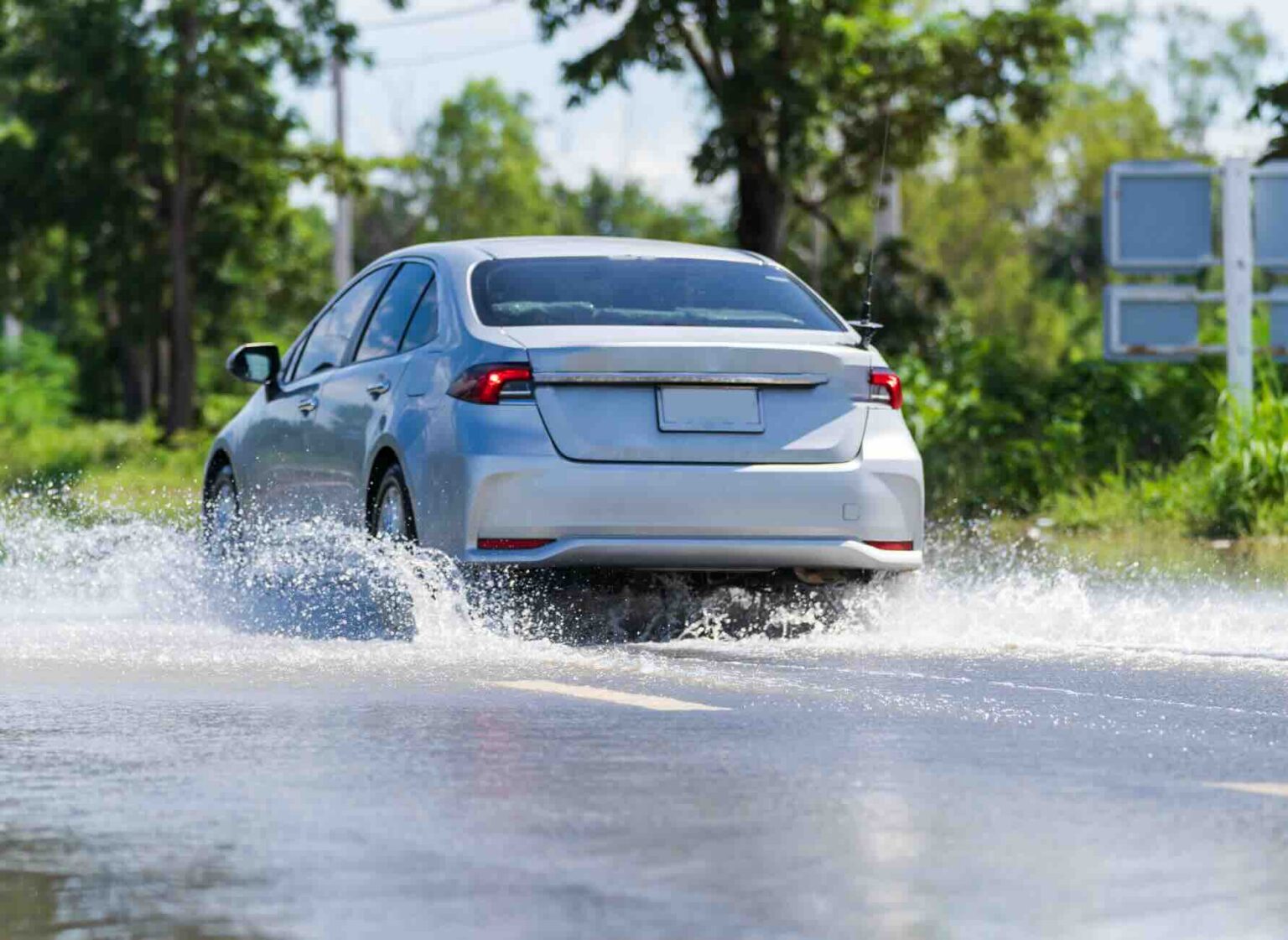
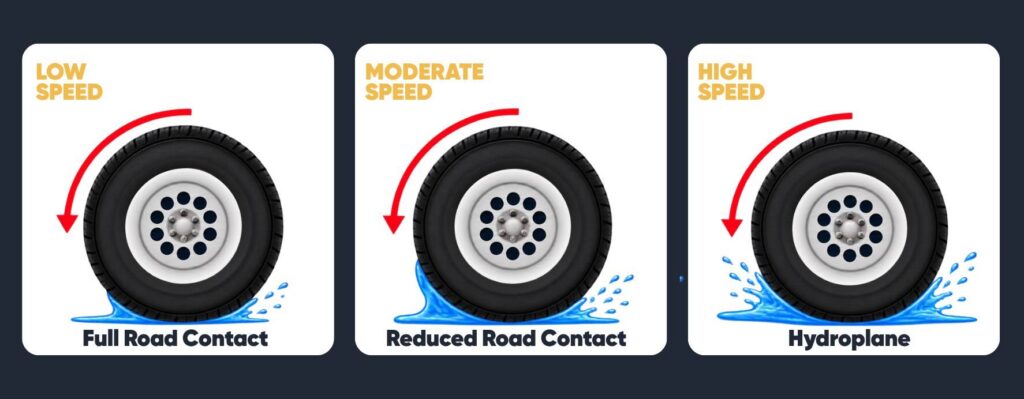
You don’t need a major storm for roads to become dangerous. Rain can reduce visibility and make it harder for your tires to grip the road. Water can also collect on the pavement, increasing the risk of hydroplaning.
Hydroplaning happens when your tires lose contact with the road and begin riding on top of the water. When this happens, you may temporarily lose the ability to steer or brake normally.
Flash Floods and Standing Water
Standing water may be deeper than it looks. It can also hide washed-out pavement, debris, or other hazards beneath the surface. Moving water can even carry a vehicle away.
If you can’t tell how deep the water is, don’t drive through it. Finding another route may add time to your trip, but it’s much safer than guessing.
Black Ice and Freezing Roads
Black ice gets its name because it can be nearly invisible against the road. It forms as a thin layer of ice over the pavement, causing tires to lose traction on the road.
Bridges and overpasses can be especially dangerous because they can freeze before other parts of the road. If temperatures are near or below freezing, slow down and avoid sudden steering or braking. Even a small patch of ice can cause a driver to lose control.
Fog and Low Visibility
Fog can limit how far you can see down the road, giving you less time to react to stopped traffic, a sharp curve, debris, or another vehicle.
Slowing down and increasing your following distance gives you more time to react when visibility is limited.
What Happens After a Single Car Accident Due to Weather?
In most single-vehicle crashes, the driver will be considered at fault. That means if you damage someone else’s property, like a fence, your liability insurance may be responsible for paying for that damage, up to your policy limits.
Damage to your own vehicle is different. Liability coverage doesn’t pay to repair your car. If you hit a guardrail after losing control on an icy road, for example, you would generally need collision coverage to help pay for damage to your own vehicle, subject to your deductible and policy terms.
If you’re involved in a single-car accident, get somewhere safe, call 911, and document the scene if you can do so safely.
In Texas, you need to report a crash to law enforcement if someone is hurt or killed, or if a vehicle is too damaged to safely drive away.
That still applies if you’re the only driver involved. If you lose control on an icy road and your car is too damaged to drive or you damaged other property, you still need to report the crash.
Insurance and Liability for Texas Bad Weather Car Accidents
Who Is at Fault for a Weather-Related Car Accident?
It’s tempting to blame Mother Nature for a weather-related crash, but the driver is usually the one at fault.
Drivers have a responsibility to react to the conditions around them. Someone who continues driving too fast during heavy rain, follows another vehicle too closely on an icy road, or makes an unsafe lane change when visibility is poor may contribute to a crash.
Regardless of the weather, fault will be determined based on each driver’s actions and whether their negligence played a role in the accident.
What Not to Tell Your Insurance Company After a Bad Weather Accident
If weather may have played a role in your accident, be careful about how you talk about it with the insurance company.
There’s nothing wrong with telling the insurance company it was raining when the accident happened. If it was raining, that’s a fact. But you don’t need to go much further than that.
Saying things like, “The roads were so slick there was no way they could stop,” or “It was raining so hard nobody could see,” are assumptions about why the accident happened.
You don’t need to figure that out for the insurance company. Stick to what you know and avoid guessing about how much the weather contributed to the crash. There may be other factors you don’t know yet, like how fast the other driver was going or whether they were following too closely.
Consider talking to a bad weather car accident attorney before giving the insurance company a recorded statement or answering detailed questions about what happened.
Hiring a Texas Car Accident Attorney After a Bad Weather Accident
What Compensation Is Available After Weather Related Car Accidents?
If another driver caused the crash, you may be able to recover compensation for medical bills, time you had to miss from work, damage to your vehicle, and the ways your injuries have affected your everyday life.
There is no standard amount that a weather-related car accident claim is worth. The value will depend on the specific facts of your case, including the seriousness of your injuries, who was responsible, and how much insurance coverage is available.
How a Car Accident Attorney Can Help
A bad weather car accident attorney isn’t going to argue that it wasn’t raining when it clearly was. Their job is to show that while the rain may have contributed to the conditions, another driver’s negligence caused the crash.
Your attorney will want to know what was happening before the crash. The crash report, photos, videos, vehicle damage, and witness statements can provide details about how the wreck happened. They can then compare those details with the road and weather conditions at the time.
Your weather related car accident attorney can help gather the evidence you need for a strong claim, deal with the insurance companies, and help you secure maximum compensation for your claim.
When Bad Weather Leads to a Car Accident in Texas
We can’t control when the rain starts, temperatures drop, or fog rolls across a Texas highway. But we can control what we do next.
Sometimes that means slowing down. Sometimes it means leaving more room between vehicles. And sometimes the safest decision is to stay off the road until conditions improve.
Unfortunately, you can do everything right and still be hurt by someone who doesn’t make those same adjustments.
When that happens, the storm may pass quickly, but the effects of the accident may not. You could still be dealing with injuries, medical bills, missed work, vehicle repairs, and an insurance company trying to determine who should pay.
If you were injured in a weather-related crash and aren’t sure what happens next, you don’t have to guess. Learn about our car accident lawyers and how they can help protect you and pursue the full value of your injury claim.
Bad Weather Car Accident FAQs
What Age Group Speeds the Most?
Younger drivers are often more likely to be involved in speeding-related crashes than older drivers. National Highway Traffic Safety Administration data has shown particularly high rates of speeding involvement among younger drivers.
Who Is at Fault if You Hydroplane and Cause an Accident?
A driver who hydroplanes and causes an accident will typically be considered at fault. Drivers have a responsibility to adjust their driving to the road and weather conditions and to properly maintain their vehicles.
Can You Be at Fault for an Accident Caused by Black Ice?
Yes. Black ice may contribute to an accident, but its presence doesn’t automatically remove responsibility from the driver. A driver may still be expected to slow down and use extra caution when freezing conditions make ice possible. Fault depends on the circumstances surrounding the crash.
Does Car Insurance Cover Flood Damage in Texas?
Comprehensive coverage generally covers flood damage to a vehicle, but not every auto policy includes the same coverage. Check your policy or ask your insurer what coverage applies to your specific situation.