Autor: Shelby Benavidez
Abogado colaborador: Camille Pace, abogada
Tabla de contenido
TL;DR: What You Should Know About Firefighting Foam and Cancer
- Some firefighting foam contains harmful chemicals. A type called AFFF foam has been used for decades to fight fuel fires. Some versions contain PFAS, also known as “forever chemicals.”
- PFAS exposure has been linked to certain cancers. Research has found links between some PFAS chemicals and kidney and testicular cancer.
- Firefighters aren’t the only people at risk. Military personnel, airport workers, and people living near contaminated sites may also have been exposed.
- The type of firefighting foam used depends on what’s burning. Class A foam and Class B foam are made to fight different types of fires, and not all of them contain PFAS chemicals.
- If you’ve worked around AFFF foam and later developed cancer, you may have grounds for a firefighting foam lawsuit.
Firefighters deal with dangerous situations every day. It’s part of the job, and they train for it. But there’s one risk that’s been getting more attention in recent years that has nothing to do with running into a burning building.
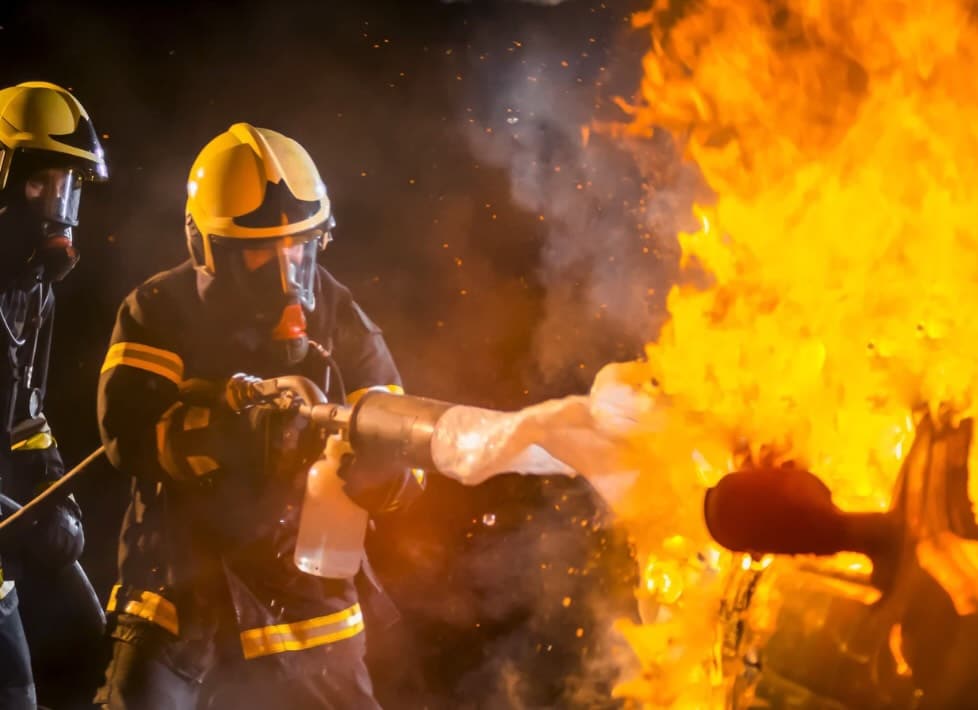
For decades, firefighters have used a special foam to put out fires that water alone can’t handle. It works well against burning fuel, which is why it became a common tool at airports, military bases, and fire departments across the country.
The problem is that some firefighting foam contains chemicals that can stay in the human body for years. And researchers have linked exposure to certain chemicals in that foam to serious health problems, including cancer.
So, what exactly is in firefighting foam, who may have been exposed, and what does the research tell us about the risks? Let’s dive into it.
What Is Firefighting Foam, and Why Can It Be Dangerous?
What Is AFFF Foam Made Of?
We all know firefighters use foam to help put out fires, especially those involving flammable liquids like gas or jet fuel. But there are several different types of firefighting foam, each made for a different purpose.
One common type is aqueous film-forming foam (AFFF) that has been used for decades. When AFFF is sprayed onto burning fuel, it spreads across the surface and creates a thin layer that helps cut off oxygen and keep flammable vapors from escaping. It puts out the flames and prevents the fire from starting again.
For years, many AFFF products contained chemicals called per- and polyfluoroalkyl substances, or PFAS. These chemicals help the foam spread quickly and resist heat. Unfortunately, PFAS break down very slowly in the environment, hence their nickname “forever chemicals.” They can build up in soil, water, and the human body over time, and once they’re there, getting rid of them isn’t easy.
What’s the Difference Between AFFF Foam and Class A Foam?
Have you ever heard the advice, “Don’t use water to put out an electrical fire”? That’s because different types of fires require different approaches. The same concept applies to firefighting foam. Depending on what’s burning, firefighters use different types of foam to put out the flames.
Class A foam is generally used on fires involving materials like wood, paper, grass, and other everyday items. It helps water soak into burning materials so firefighters can put out the flames more effectively.
Class B foam is used to put out fires involving liquids like gasoline, oil, and jet fuel. One type, called AFFF foam, has raised health concerns because many older versions contain PFAS chemicals. Unlike AFFF, Class A foam is generally made without those same PFAS chemicals.
When looking into fire fighting foam health effects, you’ll need to know which type of foam you’ve worked with and what chemicals it contained.
How Is Firefighting Foam Linked to Cancer?
What Does Research Say About PFAS Exposure and Cancer?
Much of the concern about firefighting foam and cancer comes from the PFAS chemicals found in some AFFF products. Researchers have been studying these chemicals for years to better understand how they affect people’s health.
Much of the concern surrounding older firefighting foam comes from two PFAS chemicals: PFOA and PFOS.
The International Agency for Research on Cancer (IARC) has classified:
- PFOA as carcinogenic to humans, meaning there is enough evidence to conclude it can cause cancer.
- PFOS as possibly carcinogenic to humans, meaning there is some evidence of cancer risk, but more research is needed.
Research has linked PFOA exposure to kidney and testicular cancer, but that doesn’t mean everyone exposed will develop cancer. Your risk may be higher depending on which chemicals you were exposed to and for how long.
Who Is Most at Risk of Firefighting Foam Exposure?
You might assume firefighters are the only people who need to worry about AFFF foam. But, for years, AFFF was used during emergency responses and training exercises. Sometimes, large amounts of foam were sprayed onto the ground during drills.
Over time, PFAS from that foam could move into nearby soil and water. So, not only are firefighters, military personnel, airport workers, industrial workers, and other professionals who had direct contact with AFFF at risk, but so are nearby residents. People living near sites where AFFF was used may have been exposed if PFAS entered their drinking water.
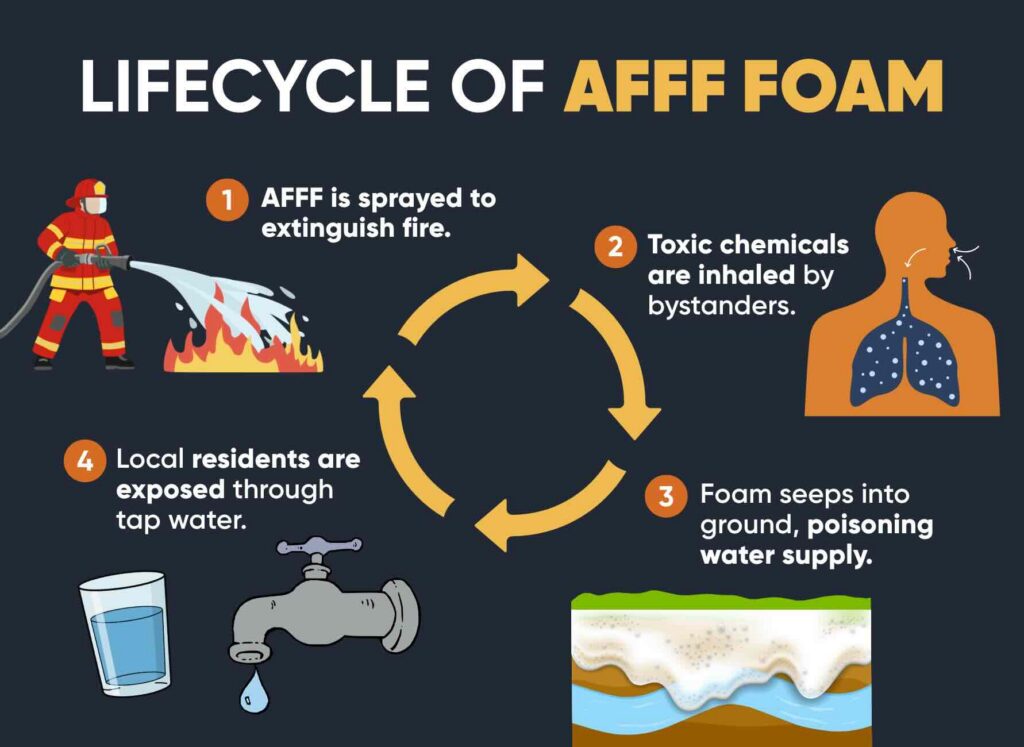
The scary part is that many people may not even realize they’ve been exposed to PFAS. You can’t see or smell these chemicals, so someone could spend years working around them without knowing the risks to their health.
What Should You Do if You’ve Been Exposed to Firefighting Foam?
First, know that exposure to AFFF foam doesn’t automatically mean you’ll develop cancer. Still, knowing that you’ve been exposed can be unsettling. If you believe you’ve been exposed to PFAS, there are two important steps you can take:
- Talk to your doctor. Let them know if you’ve worked with firefighting foam in the past and how often you were around it. They can help you figure out whether you need any testing or follow-up care.
- Speak with a personal injury attorney. If you’ve been diagnosed with cancer and have a history of working around AFFF foam, you may have grounds for a firefighting foam lawsuit. A personal injury attorney can look into your exposure and help you determine whether you have a case.
Firefighters know their jobs come with risks. But being exposed to potentially harmful chemicals without knowing the long-term dangers shouldn’t have to be one of them.
At Daniel Stark Injury Lawyers, we believe people deserve answers when a product they trusted may have put their health at risk.
Learn more about the firefighting foam tort and find out what legal options may be available to you.
Frequently Asked Questions About Firefighting Foam
What Is the Foam That Firefighters Use?
Firefighters use different types of foam depending on the fire. Class A foam helps put out fires involving wood, paper, and other common materials. Class B foam is used for flammable liquid fires. AFFF foam is a type of Class B foam that has been widely used at airports, military bases, and industrial facilities.
What States Have Banned AFFF Foam?
Several states, including California, Colorado, Connecticut, Maine, New York, and Washington, have placed restrictions on PFAS due to firefighting foam cancer risks. However, each state has its own rules, and some still allow AFFF foam to be used in certain situations, such as at airports or industrial facilities.
What Has Replaced AFFF Foam?
Fluorine-free foam, often called F3, is being used as an alternative to PFAS-containing AFFF. These products are designed to fight flammable liquid fires without intentionally added PFAS. However, the right replacement depends on the type of fire, equipment, and safety standards involved.
Do Firefighters Still Use AFFF Foam?
Yes, some fire departments and facilities still use AFFF foam, but many are switching to alternatives that don’t contain PFAS. Federal and state laws have also placed restrictions on its use, and the military is working to replace older AFFF products with fluorine-free foam.
Is Fire Foam Legal?
Firefighting foam is legal, while some products containing PFAS face restrictions. Laws depend on the type of foam, where it’s used, and whether safer alternatives are available. Not all firefighting foam contains PFAS, so it’s important to know which product is being used.