Autor: Shelby Benavidez
Abogado colaborador: Dana Nichols, abogada
Merging can be scary for many drivers. In fact, it’s a leading contributor to driving anxiety. To others, it’s something we do almost every day – getting onto the highway, changing lanes in heavy traffic, or squeezing into a gap during rush hour. It feels routine and almost automatic.
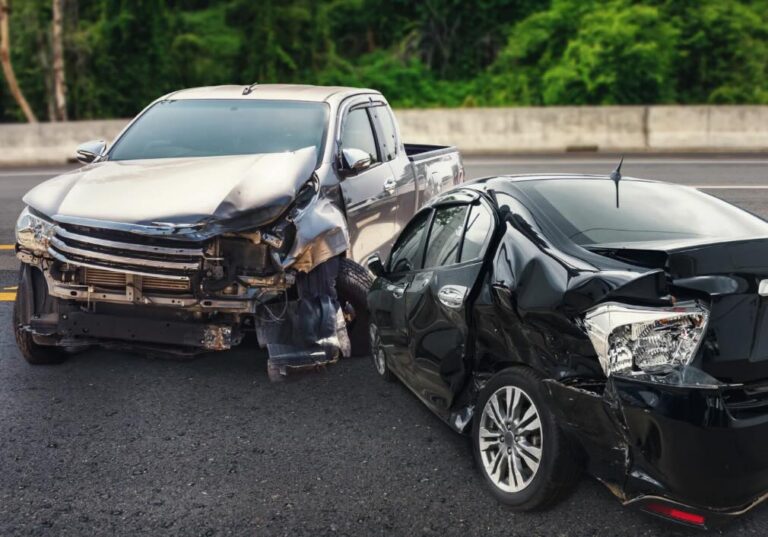
But merging is one of the most dangerous maneuvers a driver can make. Unlike stopping at a red light or driving straight down a road, merging requires timing, judgment, speed control, and cooperation from other drivers all at once. When just one of those things goes wrong, the results can be life-threatening. From side-impact crashes to high-speed rear-end collisions, merging accidents often happen fast and with little time to react.
If you’ve ever felt your heart race while trying to merge into traffic, there’s a reason for that. Let’s take a closer look at why merging is so dangerous, what the data tells us, and how drivers can reduce the risk for everyone on the road.
Why Merging Is So Dangerous
Merging Accident Statistics
Merging accidents are far more common and more dangerous than many drivers realize. According to the U.S. Department of Transportation, nearly 300,000 merging-related accidents occur every year, and approximately 50,000 of those crashes are fatal. That means tens of thousands of people lose their lives each year during what many consider a “normal” driving maneuver.
Additional data from traffic safety agencies shows that highway entrance and exit ramps are some of the most common areas for a crash on the roadway, leading to side-impact and rear-end collisions.
What makes these statistics especially troubling is that many merging accidents are preventable. They often happen because drivers make impulse decisions and don’t pay attention to their surroundings.
Common Challenges During Merging
When merging, drivers have to be cognizant of many different factors. They need to consider blind spots when preparing to move over; they have to try to gauge the speed of other drivers, all while watching the road in front of them, to the side of them, and behind them. It requires patience and careful attention.
Not to mention, other drivers may not be fully alert or cautious. They may be on their phone, watching the GPS to find their exit, or displaying aggressive behavior. Merging leaves little room for error, which is why even experienced drivers can find it stressful and dangerous.
Speed Differences Increase the Risk of Severe Injuries
One of the most dangerous aspects of merging is the difference in speed between vehicles. A car entering the highway may be traveling 30 to 40 miles per hour slower than traffic already on the road. That speed gap significantly increases the risk of serious injuries if a crash occurs because the impact force is much higher.
When a slow-moving vehicle merges into fast traffic, approaching drivers may not have enough time to brake. If they jerk their wheel to try to avoid a crash with the merger, they can wind up causing a much larger, multi-car pile-up.
Highway merging accidents often result in traumatic injuries, including head injuries, spinal damage, broken bones, and internal injuries. These types of crashes can be devastating for everyone involved.
How to Safely Merge
Merge Early and Look for a Gap
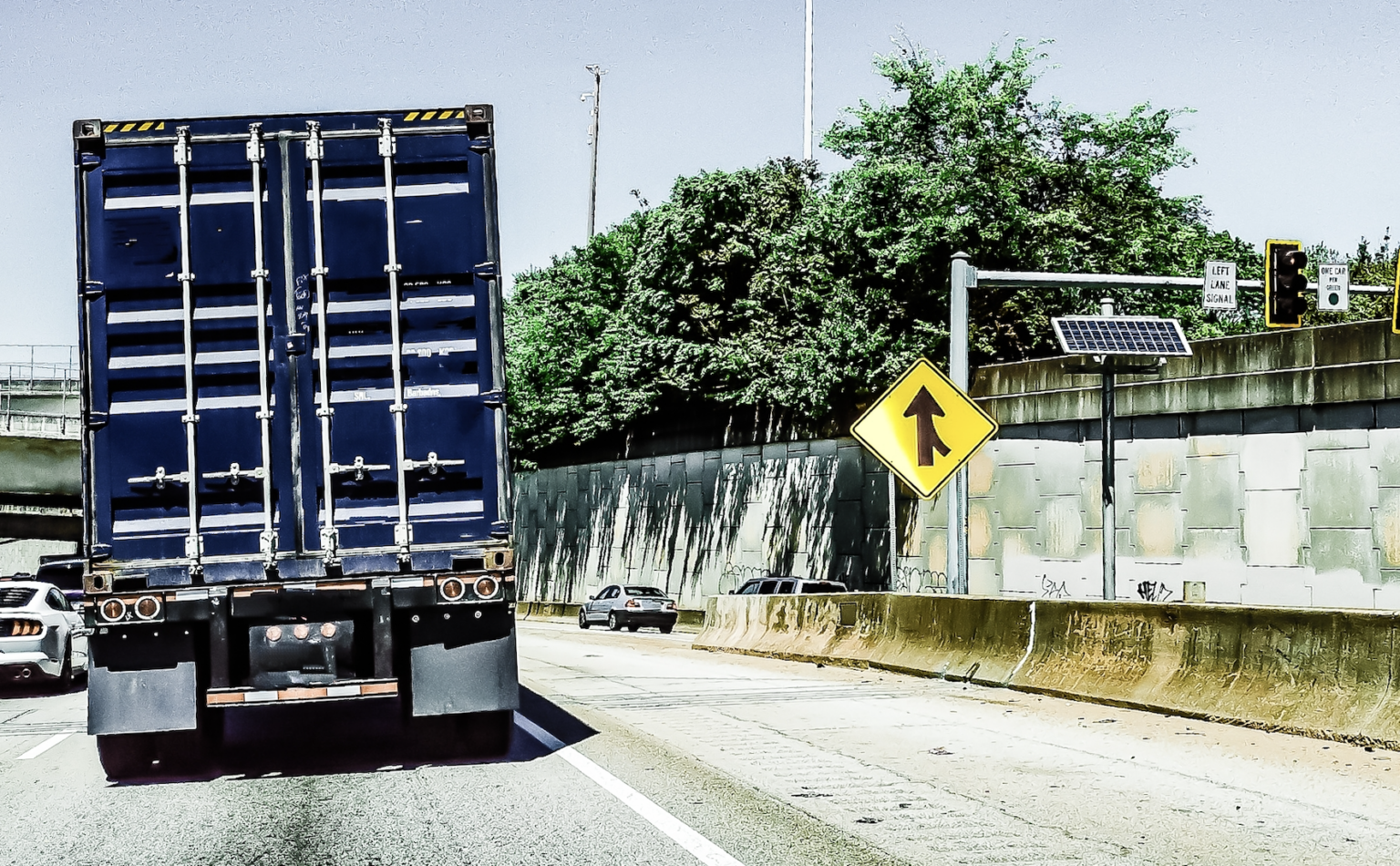
One of the biggest mistakes drivers make is waiting until the last possible second to merge. As soon as you enter an acceleration or merge lane, you should begin scanning traffic and looking for an open gap. Merging early gives you more options and more time to adjust your speed.
If you wait until the acceleration lane ends, you increase panic for yourself and other drivers, which may lead to sudden braking or swerving. If you can find a way to merge, you’ll have to enter at a much sharper angle, and if you can’t, you cause traffic to back up behind you. Trying to “beat” traffic by merging at the last moment often backfires. The safest approach is to identify a gap early and merge smoothly when it’s safe to do so.
Accelerate to the Speed of Traffic
When preparing to merge, it’s critical to match the speed of traffic whenever possible. Acceleration lanes exist for a reason. They give you space to safely increase your speed before entering a roadway where vehicles may be traveling 60 to 70 miles per hour. Merging too slowly creates a dangerous speed difference that puts you and others at risk.
Once you enter the acceleration lane, turn your blinker on and start gaining speed. Scan your mirrors and blind spots, and once you find a safe opening, fully commit. Hesitating during a merge can cause confusion with other drivers, and entering a fast-moving roadway at a significantly slower speed can lead to serious rear-end crashes.
How Main Roadway Drivers Can Reduce Merging Accidents
If you’re already on the main roadway, you typically have the right-of-way, but that doesn’t mean you should use it to prove a point. If you can safely move over or adjust your speed to allow another vehicle to merge, you should. Blocking someone from merging or accelerating to prevent them from getting in creates unnecessary danger.
Aggressive behavior or road rage during merging can cause multiple vehicles to panic, slam on their brakes, and cause multi-vehicle crashes. This type of behavior only makes matters worse and can cause serious injuries and fatalities for yourself and other drivers. It isn’tworth it. Driving defensively and courteously keeps traffic flowing and helps everyone get where they’re going safely.
Who Has the Right-of-Way When Merging?
Understanding Right-of-Way Rules
In most situations, drivers traveling straight in a single lane on the main roadway have the right-of-way, and the merging driver is responsible for yielding. This applies to highway on-ramps, lane reductions, and most merging scenarios.
However, right-of-way does not mean immunity from responsibility. All drivers are expected to act reasonably and avoid collisions whenever possible. Traffic laws may vary slightly by state, but the general rule is that the merging driver has to yield, and the driver on the roadway should not intentionally create a dangerous situation.
Who’s at Fault If You Get Hit While Merging?
Fault in a merging accident depends on the specific circumstances of the crash. While the merging driver is usually found at fault, that isn’t always the case. If the accident was caused by the merger failing to yield or failing to signal, then they will likely be found at fault. However, if the driver on the main roadway is distracted, speeding, making sudden lane changes, or intentionally blocking a merge, they can also share the blame.
For example, let’s say a driver is attempting to merge onto the highway. They see an opening and start merging into the lane. The driver behind them speeds up to try to prevent them from merging into their lane and strikes the back of the merging vehicle. In this situation, both drivers are potentially at fault in some capacity. But because merging accidents happen quickly and involve multiple moving parts, determining fault often requires a thorough investigation.
Contact a Car Accident Attorney After a Merging Crash
If you were injured in a merging accident caused by someone else’s negligence, it’s important to speak with a car accident attorney as soon as possible – especially if they’re trying to blame you for the crash.
Merging accidents often lead to disputes over fault, and insurance companies may try to minimize or deny claims. An experienced car crash attorney can help you gather and preserve critical evidence, review police reports and witness statements, and handle all conversations and negotiations with the insurance company.
In Texas, as long as you are found less than 51% at fault, you can recover compensation for your injuries. Find an attorney who values your unique story and makes you feel comfortable, so you can focus on your recovery knowing that your case is in good hands.
The Dangers of Merging: What Every Driver Needs to Know
Merging may seem like a small moment in a long drive, but it carries serious weight. It’s a reminder that driving is not just about getting from point A to point B but doing so safely. We all have a responsibility to share the road respectfully and understand how our actions affect others.
Every merge is a moment of trust between drivers, and when that trust breaks down, the consequences can be severe. The next time you merge (or let someone else merge), remember that a few seconds of patience can prevent a lifetime of regret.
Frequently Asked Questions About Merging Accidents
Why are merging accidents so common?
Merging accidents are common because they require quick decisions, precise timing, and cooperation between drivers traveling at different speeds.
Who has the right-of-way when merging onto a highway?
In most cases, drivers already on the highway have the right-of-way, and merging drivers must yield.
Can both drivers be at fault in a merging accident?
Yes. Fault can be shared depending on speeding, aggressive driving, distraction, or failure to yield.
Is it illegal to block someone from merging?
Blocking someone from merging isn’t technically illegal because you do have the right-of-way. However, intentionally preventing a merge or driving aggressively can still be considered negligent or reckless.
What should I do if I’m injured in a merging accident?
Document the scene as much as possible by taking photos of all vehicles involved, collecting contact and insurance information from the other driver, and names and phone numbers of any witnesses. Seek medical attention right away, even if you think you feel fine, and keep detailed records of any medical treatment you receive. Most importantly, contact a qualified car accident lawyer. They can help you gather evidence, communicate with insurance on your behalf, and secure full value for your injury.