Autor: Shelby Benavidez
Abogado colaborador: Michael Loh, socio
El Jaws of Life® es un equipo fundamental para los bomberos de todo el mundo. Se utiliza para Abrir coches después de un accidenteLiberando a las personas atrapadas. ¿Pero cómo funciona? ¿Y por qué es tan importante?
Los bomberos denominan a los primeros 60 minutos tras una lesión traumática la “hora de oro”. Sacar a un paciente de un vehículo aplastado con la suficiente rapidez para que pueda ser operado dentro de ese lapso mejora drásticamente las probabilidades de supervivencia, razón por la cual los departamentos invierten en las Mandíbulas de la Vida® aunque solo las utilicen unas pocas veces al año. Aquí encontrará todo lo que debe saber sobre estas increíbles herramientas.
¿Qué son las Mandíbulas de la Vida®?
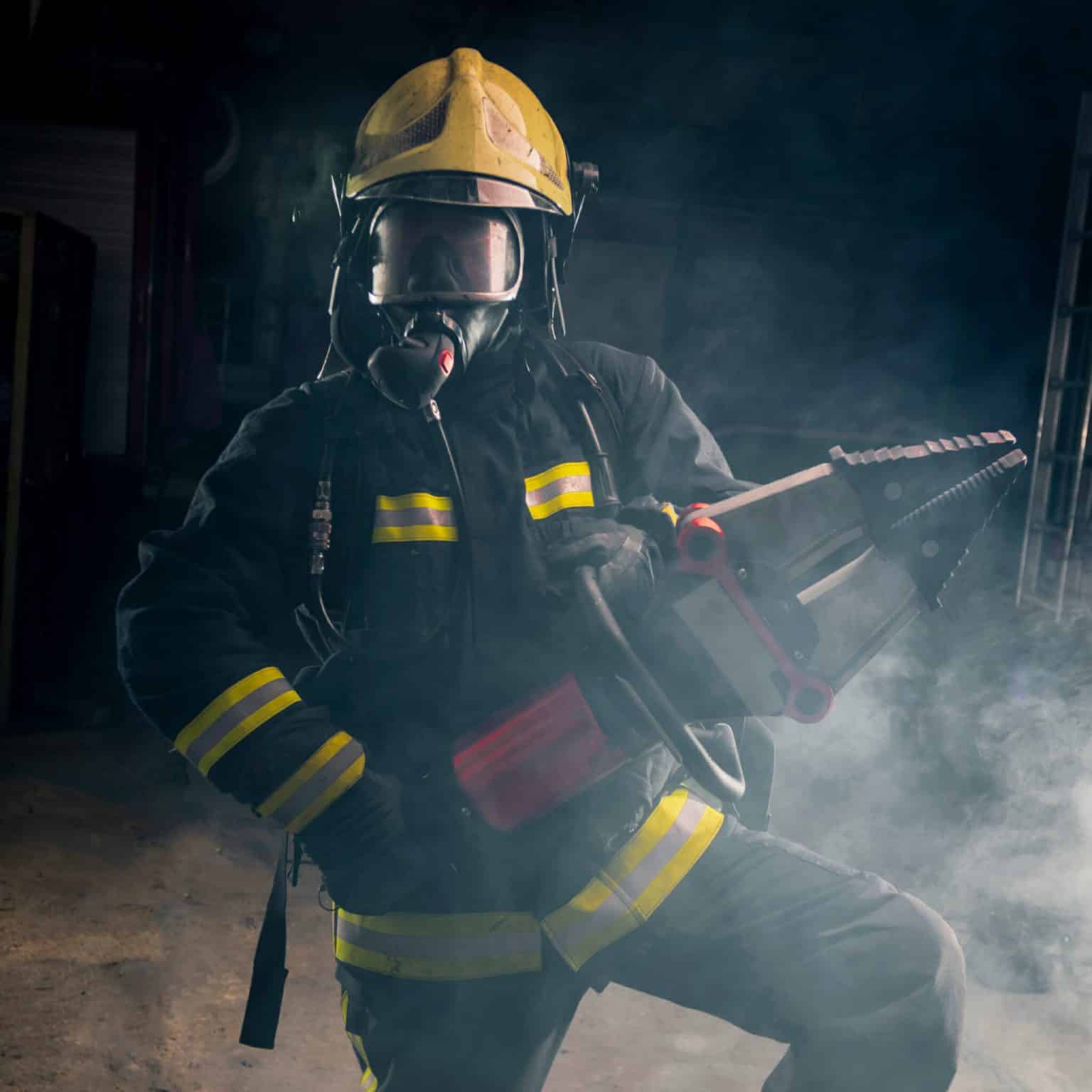
Las herramientas de rescate Jaws of Life® son utilizadas por los servicios de emergencia para liberar a personas atrapadas en un vehículo tras un accidente. Existen cuatro tipos principales de herramientas: cortadoras, separadoras, arietes y herramientas combinadas, que se utilizan para cortar o separar metal resistente o escombros.
Aunque se usan comúnmente después de accidentes automovilísticos, estas herramientas también se emplean para rescatar a víctimas de edificios derrumbados tras terremotos u otros desastres naturales. Piense en ellas como herramientas de extracción para rescatar rápidamente a personas atrapadas. Vea el video a continuación para verlas en acción.
Jaws of Life® es en realidad un término registrado que se refiere a los separadores, cortadores y arietes fabricados por Hurst. Otras herramientas de diseño similar suelen denominarse equipos de extricación o herramientas de rescate.
¿Quién inventó las Tiburones de la Vida®?
El La idea de estas herramientas empezó con George Hurst. No era bombero, ni socorrista, ni siquiera ingeniero de seguridad. De hecho, Hurst construyó coches de carreras increíblemente rápidos y peligrosos en las décadas de 1950 y 1960.
Un día en el circuito, Hurst presenció un violento accidente. Vio cómo los equipos de rescate tardaban más de una hora en sacar a los pilotos de sus coches. La experiencia perturbó a Hurst., lo que lo inspiró a diseñar una herramienta que pudiera abrir las puertas de vehículos accidentados. significativamente más rápido.
Su primer diseño en 1961 fue un trozo de metal de 350 libras que requería un equipo completo de rescatistas para ser utilizado. Durante la década siguiente, continuó mejorando su diseño y finalmente logró reducir el peso de la herramienta a 65 libras. La maravilla de la ingeniería se llamó Hurst Power Tool.. Hurst Performance, Inc. sigue siendo uno de los principales fabricantes de herramientas hidráulicas de rescate en la actualidad.
A medida que se difundía la noticia del invento de Hurst, la Asociación Nacional de Protección contra Incendios (NFPA) desarrolló la norma NFPA 1936, un estándar de rendimiento que toda herramienta de rescate moderna debe cumplir antes de poder ser instalada en un camión. Esta norma, que exige pruebas de corte, separación y resistencia, ha impulsado a los fabricantes a producir aleaciones más ligeras, mangos ergonómicos y hojas más seguras y sin chispas; mejoras que benefician tanto a los rescatistas como a las víctimas.
¿De dónde viene el nombre “Jaws of Life®”?
Existen diversas opiniones sobre el origen del término «Jaws of Life®». Sin embargo, la mayoría cree que fue acuñado por otro ingeniero que trabajó en el proyecto, Mike Brick.
Al ver la rapidez con la que las herramientas podían rescatar a alguien de un vehículo accidentado, Brick empezó a llamarlas las Mandíbulas de la Vida®. ¿Su razonamiento? Porque rescataban a la gente de las garras de la muerte.
¿Cómo funcionan las herramientas de extricación?
Los equipos de extracción tradicionales funcionan mediante un sistema de pistón simple. Una fuente de energía impulsa el fluido hidráulico hacia el primer pistón, que a su vez empuja el segundo pistón hacia abajo, aplicando una presión inmensa a las herramientas rápidamente. Esto es lo que permite que estas herramientas generen una fuerza tan extrema en un tamaño relativamente compacto.
A medida que la tecnología ha avanzado, las herramientas más nuevas funcionan con baterías de litio. Esto las hace más ligeras y portátiles, ideales para el personal de primera respuesta.
Las Mandíbulas de la Vida® pueden generar una fuerza de corte de 120.000 libras y una fuerza de separación de casi 60.000 libras. Para que se hagan una idea, esa potencia es suficiente para cortar una viga de acero de 15 centímetros o levantar 10 elefantes del suelo, todo en cuestión de segundos.
¿Para qué están diseñadas las diferentes herramientas?
Cortadores
Mediante una presión inmensa, unas máquinas cortadoras atraviesan los metales para eliminar las obstrucciones dañadas y peligrosas, creando aberturas que permiten a los bomberos rescatar a los pasajeros.
Esparcidores
Al igual que unas tijeras invertidas, los separadores comienzan en posición cerrada y aplican una fuerza hacia afuera para crear una cuña entre los escombros, dando a las personas el espacio necesario para ser retiradas de entre los restos del accidente.
Carneros
Al igual que los separadores, los arietes se utilizan para crear espacio. Sin embargo, a diferencia de los separadores en forma de "V", que suelen tener un ancho máximo de 76 cm (30 pulgadas), los arietes pueden extenderse hasta 152 cm (60 pulgadas), lo que los hace ideales para desalojar secciones de un accidente que puedan estar atrapando a alguien e impidiendo su rescate.
Herramientas combinadas
Estas herramientas versátiles combinan los diseños de cortadores y separadores en una sola herramienta para ahorrar tiempo y espacio.
¿Cuáles son mejores: las herramientas de rescate hidráulicas o las que funcionan con batería?
Si bien se ha reconocido que las herramientas de rescate más antiguas, accionadas hidráulicamente, han salvado decenas de miles de vidas, los departamentos de bomberos están haciendo la transición a unidades alimentadas por batería por tres razones principales: son más livianas, más rápidas y más confiables.
Si bien son considerablemente más ligeras que el primer diseño de 159 kg (350 libras), las herramientas de rescate hidráulicas siguen siendo increíblemente pesadas, con un peso aproximado de 29,5 kg (65 libras). Las versiones a batería pesan cerca de 14 kg (30 libras), lo que facilita enormemente su manejo y manipulación por parte de los equipos de primera intervención.
Las herramientas a batería pueden cortar una viga de acero en tan solo dos minutos, la mitad del tiempo que tardaría un modelo hidráulico. Las baterías de litio no solo son más potentes, sino que también duran más.
Lo más importante es que las herramientas de rescate a batería son mucho más fiables. Los modelos hidráulicos requieren una cantidad considerable de componentes para funcionar: un generador para alimentar la herramienta, gasolina para el generador, varias mangueras para el fluido hidráulico y accesorios adicionales.
Si falla cualquier componente del sistema hidráulico, la herramienta queda completamente inservible. En cambio, las versiones a batería solo requieren una batería, que se puede reemplazar rápidamente. Además, las baterías de litio son menos propensas a fallar en climas fríos que las bombas hidráulicas. Esto las hace mucho más fiables en situaciones de alta presión.
¿Cuanto cuesta el equipo de extricación?
El precio de los equipos de rescate puede variar desde 1000 THB para herramientas hidráulicas antiguas hasta 40 000 THB para herramientas de última generación a batería. El precio depende del modelo y las características que ofrece.
Normalmente, un juego completo de herramientas a batería (una cortadora, un separador y un ariete) cuesta alrededor de $30.000.
En muchos casos, el elevado coste de las herramientas más modernas a batería hace que solo estén al alcance de los cuerpos de bomberos más grandes y con mayor presupuesto. Esto supone una importante desventaja para los cuerpos de bomberos más pequeños y sus comunidades.
Debido a la gran inversión que representan estas herramientas, los departamentos programan pruebas de presión trimestrales, inspecciones de las cuchillas y recuentos de ciclos de batería para garantizar que cada unidad esté lista para la misión. Además, durante los periodos de inactividad, los equipos realizan simulacros de rescate a máxima velocidad, desarrollando la memoria muscular necesaria para posicionar, anclar y operar las Mandíbulas de la Vida® de forma segura en situaciones de alta tensión.
¿A cuántas personas salva Tiburones de Vida?
Se ha estimado que Desde su invención, las herramientas Jaws of Life® han salvado más de 24.000 vidas en todo el mundo..Eso supone una vida salvada cada día desde 1961.
Cuando alguien sufre lesiones traumáticas, la diferencia entre la vida y la muerte puede ser cuestión de minutos. Contar con herramientas de rescate fiables permite a los bomberos abrir un coche y rescatar a alguien en mucho menos tiempo del que tardarían sin ellas. Esto significa que las personas lesionadas reciben tratamiento médico vital con mayor rapidez, lo que aumenta drásticamente sus posibilidades de supervivencia.
Si bien los modelos más nuevos, que funcionan con baterías, aún no están tan extendidos como las versiones hidráulicas más antiguas, se estima que tienen el potencial de salvar aún más vidas en el futuro.
Jaws of Life® es una marca registrada de Hurst Jaws of Life, Inc. Daniel Stark Injury Lawyers y sus subsidiarias no están afiliadas, autorizadas ni patrocinadas por Hurst Jaws of Life, Inc.
Preguntas frecuentes sobre las mandíbulas de la vida®
¿Los bomberos siempre utilizan las herramientas hidráulicas de rescate (Jaws of Life®) después de un accidente de tráfico?
No. Los bomberos solo utilizan herramientas de rescate cuando alguien está atrapado o cuando la estructura del vehículo impide el acceso seguro a la persona herida. Si las puertas se abren con normalidad o los ocupantes pueden salir sin peligro, es posible que los rescatistas no necesiten usar las herramientas hidráulicas. Sin embargo, en accidentes graves donde el metal está aplastado o las puertas están atascadas, las herramientas de rescate permiten a los servicios de emergencia crear espacio y sacar a las víctimas de forma segura.
¿Pueden las herramientas hidráulicas Jaws of Life® cortar cualquier vehículo?
La mayoría de las herramientas de rescate modernas están diseñadas para cortar metales extremadamente resistentes, como los que se utilizan en los chasis de los vehículos, incluido el acero reforzado. Sin embargo, los diseños de vehículos más recientes a veces incorporan materiales de ultra alta resistencia que requieren técnicas de corte especializadas o herramientas más potentes. Los bomberos se entrenan regularmente para comprender la construcción de los vehículos y determinar la forma más segura de rescatar a las personas atrapadas.
¿Cuánto tiempo tardan los bomberos en liberar a una persona utilizando herramientas de rescate?
El tiempo varía según la gravedad del accidente y el estado del vehículo. En muchos casos, los bomberos pueden comenzar a abrir espacio a los pocos minutos de llegar al lugar. Sin embargo, los accidentes complejos con múltiples zonas aplastadas o extremidades atrapadas pueden tardar más, ya que los rescatistas deben trabajar con cuidado para evitar agravar las lesiones de la víctima.
¿Se utilizan las herramientas hidráulicas Jaws of Life® para rescates que no sean accidentes de tráfico?
Sí. Si bien se asocian más comúnmente con accidentes automovilísticos, las herramientas de rescate también se pueden usar en otras emergencias. Los bomberos pueden utilizarlas durante derrumbes de edificios, accidentes industriales, descarrilamientos de trenes o desastres naturales donde los escombros atrapan a las víctimas y es necesario cortarlos o separarlos.
¿Qué debes hacer si quedas atrapado en un vehículo tras un accidente?
Si está consciente y puede moverse con seguridad, intente mantener la calma y evite movimientos bruscos que puedan agravar las lesiones. Llame al 911 si es posible y siga las instrucciones de los servicios de emergencia cuando lleguen. Generalmente, lo más seguro es permanecer quieto y permitir que el personal de rescate capacitado lo saque del vehículo.