Autor: Shelby Benavidez
Abogado colaborador: Matthew Brunell, attorney
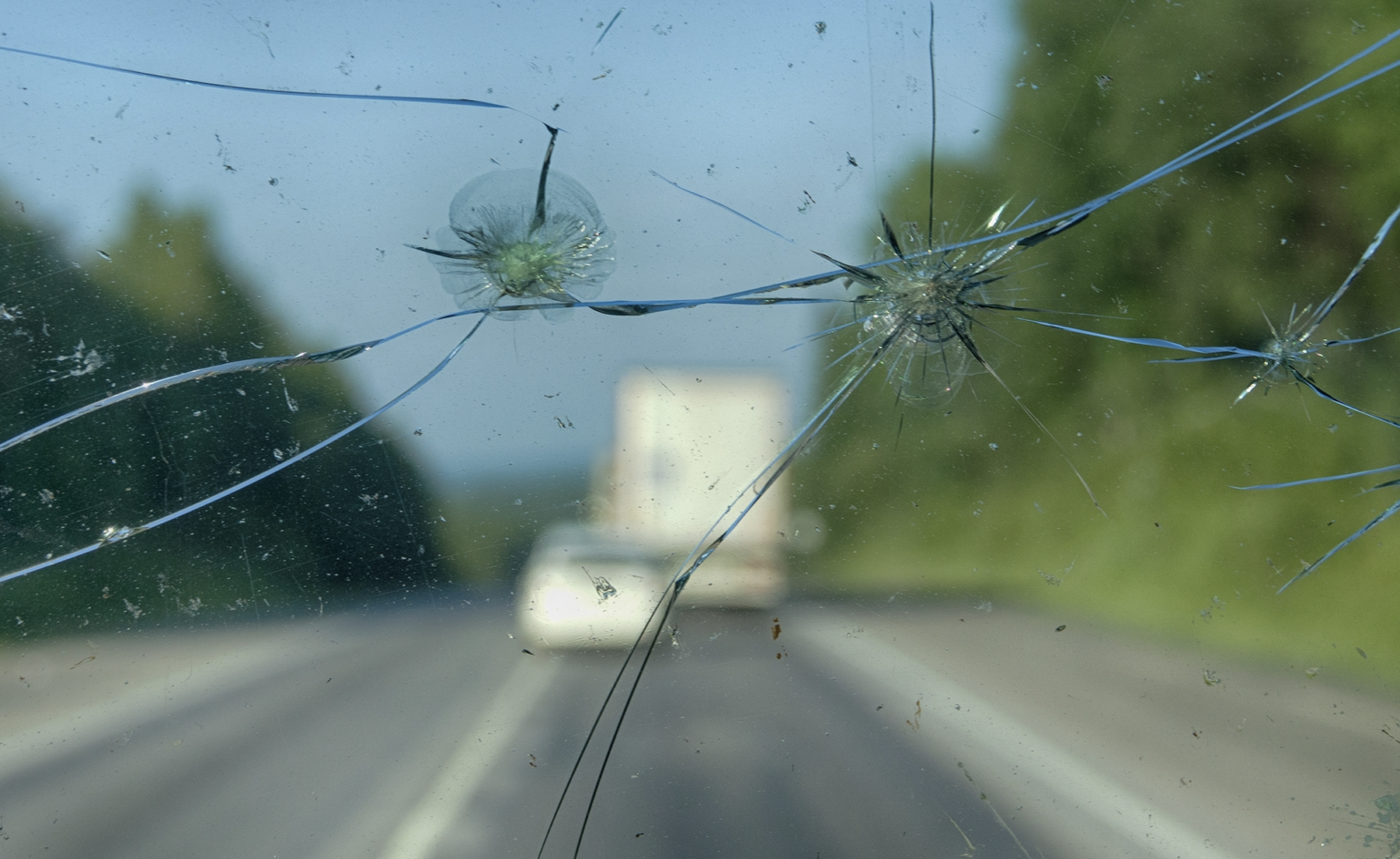
Most people don’t give their windshield much thought until a rock flies up on the highway and leaves a crack staring back at them. At that point, it’s easy to see the windshield as just another piece of glass that needs fixing. But the surprising truth is that your windshield is doing far more than protecting you from wind, rain, and bugs. It plays a critical role in the safety and structure of your vehicle.
If you’ve ever wondered whether a small crack is really a big deal, or why windshield repairs are treated as a safety issue rather than a cosmetic one, you’re in the right place. Let’s take a closer look at why the structure of your windshield matters and why keeping it in good condition could make a life-saving difference.
Understanding the Role of Your Windshield
What Is the Importance of a Windshield?
At first glance, a windshield’s purpose seems simple. It gives you a clear view of the road and protects you from the elements. While those functions are important, they’re only part of the story.
Your windshield actually plays an important role in the overall safety of your vehicle. It provides structural integrity, supports airbag deployment, helps keep you and your passengers inside the vehicle during a crash, and provides support to your roof in a rollover accident. Infact, the windshield provides up to 60% of the cabin’s structural support in a rollover crash in most vehicles.
What Is a Windshield Made Of?
Unlike ordinary glass, windshields don’t shatter; they are designed to withstand force. Most modern windshields are made of laminated safety glass, which means they have two layers of glass on the outside with a plastic interlayer between them, usually made of polyvinyl butyral (PVB). Unfortunately, even though laminated glass is much more reliable than regular glass, it still isn’t invincible.
How Windshields Are Engineered for Safety
Every aspect of your windshield is engineered and installed to work as part of your vehicle’s overall safety system. The adhesive used to bond the windshield to the frame is just as important as the glass itself. When properly installed, the windshield becomes a structural component that works in sync with the vehicle’s frame.
This design ensures that in the event of a crash, the windshield stays in place and helps distribute force. A poorly installed or damaged windshield may pop out or collapse during an accident, which puts you and your passengers at a higher risk of ejection.
Damage, Laws, and Safety Risks
Is It Legal to Drive with a Broken Windshield?
While state laws vary on specific details of how “broken” a windshield can be, it’s generally illegal in most states to drive with a windshield that has significant cracks. If the crack obstructs your line of sight, you have multiple cracks or cracks that spread throughout the entirety of the windshield, or the damage compromises the structural integrity of the windshield, you may be ticketed.
En Texas, inspections aren’t required for most vehicles after January 1, 2025, and even if they were, windshields typically weren’t regulated. However, police officers can still issue a ticket if they believe the damage to your windshield impacts your safety. For example, if you have a crack in your windshield that is longer than three inches within the driver’s line of sight or your windshield is caving in.
Even if you aren’t pulled over, it’s important to remember that just because it may technically be legal doesn’t mean it’s safe, and just because you can drive with a crack doesn’t mean you should.
When to Fix vs. Replace Your Windshield
Having a crack in your windshield doesn’t always mean you need to replace it. In some cases, you may be able to seal the crack. If it’s just a chip smaller than a quarter, the crack is shorter than six inches, or it’s not within your direct line of sight, you may be able to do a simple repair.
However, if the crack is longer than six inches or spreading, the crack is on or near the edge of the glass, or there are multiple cracks, the strength of your windshield may be compromised. In these cases, we highly recommend replacing your windshield entirely.
If you aren’t sure which option is best for you, take your vehicle to a trusted mechanic and have them perform an inspection as soon as possible. Delaying repairs can allow small issues to grow into larger, more expensive problems.
The Dangers of Driving with a Cracked Windshield
Driving with a cracked windshield is riskier than many people realize. Beyond reduced visibility, a damaged windshield may fail during a serious accident.
Because the windshield is part of your vehicle’s structure, a crack can weaken its ability to support the roof in a rollover crash. If the windshield can’t hold its position, the roof may collapse inward, increasing the risk of severe injury or death.
Not to mention, airbags rely on the windshield to deploy correctly. In many vehicles, the passenger-side airbag uses the windshield as a backstop. If your windshield is cracked or broken, the airbag may not deploy correctly, shattering your windshield further and putting your passenger at risk.
Costs and Coverage
How Much Does a New Windshield Cost?
Many of us know how it feels to walk out of the house after a hailstorm to find our windshield has been beaten by the ice. Your stomach drops, and you start to wonder, “How much is this going to cost to fix?” Unfortunately, there isn’t a black-and-white answer. The cost of a new windshield varies depending on the make and model of your vehicle, whether your windshield has advanced driver assistance systems (ADAS), and labor costs of your trusted mechanic.
On average, windshield replacement can range from $100 to $500 for basic windshields, but if your vehicle has ADAS, it can cost over $1,000, especially if it requires sensor calibration. While it’s expensive and a major headache, it’s worth it to keep yourself and your passengers safe in your vehicle.
Will Insurance Cover a Broken Windshield?
You may not have to pay to repair your windshield out-of-pocket, as many auto insurance policies include coverage for windshield damage under comprehensive insurance. Depending on your policy, you may only have to cover the cost of your deductible. Check your policy and the rules in your state. Some states require insurers to waive deductibles for windshield repairs.
Why Professional Installation Matters
When choosing where to replace your windshield, keep in mind that a windshield is only as strong as its installation. If it’s not installed correctly, you may experience leaks, loud wind noises, or worse – your windshield could fail during a crash. Professional installers should use manufacturer-approved adhesives and follow strict safety standards to make sure the windshield bonds correctly to the vehicle. They should give you guidelines on how to take care of your windshield while it cures.
Key Takeaways: Is Repairing or Replacing Your Windshield Worth It?
You may not realize it, but your windshield is more than a window; its main role is to protect you every time you get into the vehicle. The next time you notice a chip or crack, consider what’s really at stake. You may not care that it isn’t aesthetically pleasing, but you should care that your safety is now compromised. Taking action early, seeking professional guidance, and understanding the importance of your windshield can help you make informed decisions that prioritize safety over delay.
FAQs About Windshield Structure and Safety
Is a small windshield crack really dangerous?
Yes. Even small cracks can spread over time and weaken the windshield’s structural integrity.
Can temperature changes make windshield cracks worse?
Absolutely. Heat and cold cause glass to expand and contract, which can make cracks grow quickly.
How long does windshield replacement take?
Most replacements take about one to two hours, plus additional time for adhesives to cure safely.
Does a cracked windshield affect vehicle inspections?
Inspection regulations vary by state. In many states, damage that affects visibility or safety can cause a vehicle to fail inspection. However, Texas law does not require inspections on standard passenger vehicles after January 1, 2025. Still, a mechanic can advise you on the best route to repair or replace your windshield to keep you and your passengers safe on the road.
Why is windshield safety glass better than regular glass?
Laminated safety glass is designed to stay intact on impact. It is designed with a plastic interlayer, usually made of polyvinyl butyral (PVB), sandwiched between two layers of laminated glass. This prevents your windshield from shattering into shards of glass and causing injury to you and your passengers.