Autor: Shelby Benavidez
Abogado colaborador: Camille Pace, abogada
Tabla de contenido
- TL;DR: Conclusiones clave
- Qué hacer inmediatamente después de un accidente de coche
- Medidas médicas y de salud tras un accidente de tráfico
- Cómo presentar una reclamación al seguro después de un accidente de coche
- ¿Cuándo contratar a un abogado especializado en accidentes de tráfico?
- Preguntas frecuentes
TL;DR: Conclusiones clave
- Priorice la seguridad y compruebe si hay heridos de inmediato. Si es posible, trasládese a un lugar seguro, llame al 911 en caso de lesiones graves y evite mover a cualquier persona que pueda estar gravemente herida a menos que exista un peligro inminente.
- Reporta el accidente y documenta todo. Llama a la policía (incluso en caso de choques menores), obtén un informe si es posible y reúne la mayor cantidad de evidencia posible en el lugar del accidente.
- Intercambia información con cuidado y evita admitir culpabilidad. Recopila los datos del conductor, del seguro y de los testigos, pero cíñete a los hechos y evita disculparte o especular sobre quién tiene la culpa.
- Toma numerosas fotografías y conserva las pruebas. Documenta los daños del vehículo, el estado de la carretera, las señales de tráfico, las marcas de frenado, las lesiones y cualquier otra cosa relevante sobre lo sucedido.
- Busque atención médica y contacte con la ayuda adecuada cuanto antes. Hágase una evaluación aunque se sienta bien, notifique a su compañía de seguros de inmediato y considere hablar con un abogado especializado en accidentes de tráfico, sobre todo si surgen lesiones o disputas.
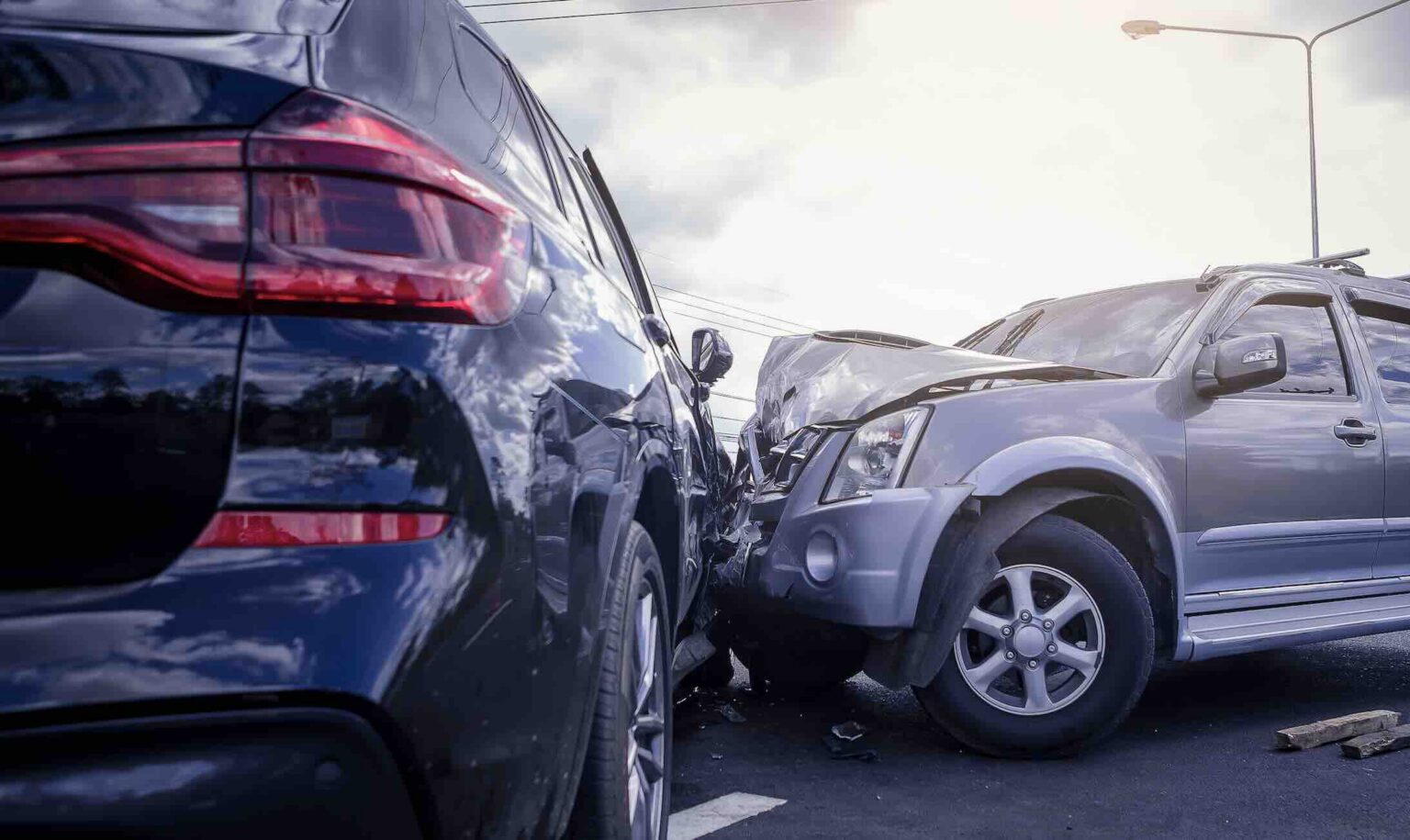
Sufrir un accidente de coche puede ser uno de los momentos más estresantes y confusos de la vida. Incluso una colisión leve puede dejarte conmocionado, sin saber qué hacer a continuación o preocupado por el seguro y las lesiones. La buena noticia es que saber qué pasos seguir inmediatamente después de un accidente puede marcar una gran diferencia tanto para tu seguridad como para cualquier reclamación posterior.
Esta guía explica qué hacer después de un accidente automovilístico, cómo comprobar si hay lesiones, cuándo contactar con su compañía de seguros y por qué hablar con un abogado puede ayudarle a proteger sus derechos.
Qué hacer inmediatamente después de un accidente de coche
Los primeros minutos después de un accidente automovilístico pueden parecer confusos, pero tus acciones durante ese tiempo son cruciales.
Paso 1: Revísate a ti mismo y a los demás para detectar posibles lesiones.
Sufrir un accidente de coche puede ser aterrador, así que tómate un momento para respirar y tranquilizarte. Cuando estés listo, evalúa tu entorno y comprueba si tú, tus pasajeros o alguien del otro vehículo está herido. Si tu vehículo se encuentra en un lugar peligroso, como en medio de la carretera, intenta moverte a una zona segura, como el arcén o un aparcamiento cercano. Enciende las luces de emergencia para alertar a los demás conductores..
Si usted resulta gravemente herido, lo primero que debe hacer es buscar atención médica cuanto antes. Su salud y seguridad deben ser su máxima prioridad. Si alguna otra persona resulta gravemente herida, llame al 911 de inmediato. No intente mover a las personas heridas. a menos que se encuentren en peligro inmediato, como que su vehículo esté en llamas o que estén en la fila de tráfico en movimiento.
Paso 2: Llame al 911 e informe del accidente de tráfico.
Incluso en caso de colisiones menores, llame a la policía e infórmeles del accidente. El informe policial oficial puede utilizarse para determinar la responsabilidad a efectos del seguro y legales. Si un agente llega al lugar, explique lo sucedido con la mayor calma y precisión posible. Cíñase a los hechos; no admita culpa ni intente especular.
La policía no siempre responde al accidente, especialmente si fue un choque leve. Pueden indicarle que Mueva su vehículo a un lado de la carretera. Mientras intercambias información con el otro conductor, es posible que no considere necesario que esté presente físicamente. Si esto sucede, puedes presentar una denuncia posteriormente en una comisaría local o en línea.
Paso 3: Intercambio de información del conductor y del seguro.
Después del accidente, Recopila tantos detalles como puedas del otro conductor., Incluya su nombre completo e información de contacto, compañía de seguros y número de póliza, licencia de conducir y número de matrícula, marca, modelo y color del vehículo, así como el lugar del accidente. Si es posible, intente tomar una foto del otro conductor.
Sea cortés y cooperativo durante este intercambio, pero tenga mucho cuidado con lo que dice. Frases sencillas como “Lo siento” o “No se preocupe, estoy bien” pueden malinterpretarse posteriormente. Las compañías de seguros podrían usar este tipo de frases como excusa para culparlo o minimizar sus lesiones.
Si hay testigos, pídales sus nombres y números de teléfono.. Sus declaraciones podrían ayudar a esclarecer lo que realmente sucedió.
Paso 4: Tomar fotografías y reunir pruebas en el lugar de los hechos.
Mientras estés en el lugar del accidente, usa tu teléfono para tomar tantas fotos y videos como sea posible. Documente cualquier daño a su vehículo y al del otro conductor.,Si es posible, tome fotografías del lugar del accidente, incluyendo dónde se detuvieron sus vehículos, las señales de tráfico cercanas, los semáforos y las marcas de frenado. Si el clima es malo o las condiciones de la carretera son deficientes, ¡documéntelo también! Finalmente, tome fotografías de todas sus lesiones, las de su pasajero y las del otro conductor, si puede. Si decide presentar una demanda por lesiones personales, estas fotografías pueden ayudar a su abogado a fundamentar y fortalecer su caso.
Paso 5: Contacte a un abogado especializado en accidentes automovilísticos y a su compañía de seguros.
Si no resultó herido en el accidente, comuníquese con su compañía de seguros lo antes posible para informarles del siniestro. Recuerde: sea prudente con lo que dice; solo exponga los hechos y sea honesto sobre lo que sabe. Su compañía de seguros le indicará los pasos a seguir para gestionar las reparaciones del vehículo y el alquiler de un auto, si está incluido en su póliza.
Si usted resultó herido, lo segundo que debe hacer después de llamar al 911 es contactar a un abogado especializado en lesiones personales. Un abogado calificado puede ayudarle a comunicarse con su aseguradora. Le guiará sobre qué decir para documentar su reclamo y se encargará de todas las comunicaciones con la aseguradora del otro conductor y las negociaciones en su nombre.
En las siguientes secciones, explicaremos con más detalle cómo funcionan las reclamaciones de seguros, qué decir (y qué no decir) y cuándo contactar con un abogado.
Medidas médicas y de salud tras un accidente de tráfico
Cómo saber si has resultado herido tras un accidente de coche
Los accidentes de tráfico pueden causar lesiones que no siempre se manifiestan de inmediato. La adrenalina y el shock pueden enmascarar el dolor. Durante horas, días o incluso semanas después del impacto. Inmediatamente después del accidente, tómese unos momentos para evaluar cómo se siente. Preste atención a síntomas como mareos, dolores de cabeza, náuseas, confusión o cualquier dolor en el cuello, la espalda o el pecho.
Aunque te sientas bien, deja que los servicios de emergencia te trasladen a una sala de urgencias o acude a un centro de atención de urgencias o a un médico de confianza lo antes posible. Esto te dará tranquilidad al saber que te han evaluado para detectar posibles lesiones internas. Además, una evaluación médica crea un registro oficial de tu estado, lo cual es importante tanto para tu salud como para cualquier reclamación de seguro o por lesiones personales que pudiera surgir.
Cómo reconocer los síntomas tardíos de una lesión después de un accidente automovilístico.
A veces, Las lesiones como el latigazo cervical, las conmociones cerebrales o los daños en los tejidos blandos se desarrollan con el tiempo.. Si días después empiezas a sentir dolor, rigidez o entumecimiento, no lo ignores. Ponte en contacto con tu médico de inmediato y explícale que tuviste un accidente de coche. Guarda copias de todas las consultas médicas, recetas y resultados de pruebas, ya que estos registros pueden ayudarte a obtener el reembolso de los gastos médicos más adelante.
Cómo afrontar el trauma emocional tras un accidente de tráfico
Experimentar un accidente automovilístico es traumático. Muchos Las personas experimentan ansiedad, depresión, pesadillas y miedo a volver a subirse al vehículo.. Si estás pasando por un momento difícil emocionalmente después de un accidente automovilístico, debes saber que no estás solo. Si estos sentimientos persisten, considera hablar con un consejero o terapeuta especializado en recuperación de traumas. Tu bienestar emocional es tan importante como tu recuperación física.
Cómo presentar una reclamación al seguro después de un accidente de coche
Cuándo presentar una reclamación de seguro por accidente de coche
Debe notificar a su compañía de seguros lo antes posible, idealmente dentro de las 24 horas posteriores al accidente. La mayoría de las pólizas requieren una notificación inmediata y Esperar demasiado tiempo podría dificultar la aprobación o el procesamiento sin problemas de su reclamo.. Cuando llame, tenga a mano detalles clave como la fecha, la hora y el lugar del accidente, el número del informe policial si lo tiene, fotos de los daños, información de contacto de los testigos y los datos del seguro del otro conductor.
Si no sabe qué decir o se siente incómodo hablando directamente con la compañía de seguros, un abogado con experiencia en accidentes de tráfico puede ayudarle. Se encargará de las comunicaciones en su nombre, garantizará que sus declaraciones sean precisas y estén protegidas, y se asegurará de que su reclamación se presente correctamente y a tiempo.
Comprender la responsabilidad y la cobertura del seguro después de un accidente automovilístico
En los estados con sistemas de responsabilidad civil por culpa, el seguro del conductor que causó el accidente cubre los daños, incluyendo la reparación del vehículo y los gastos médicos, hasta el límite de la póliza. En los estados sin responsabilidad civil, el seguro de cada conductor cubre sus lesiones, independientemente de quién haya causado el accidente.
Sin embargo, Incluso en los estados donde no se requiere demostrar la culpabilidad, aún puede presentar una demanda contra el conductor culpable. Por lesiones graves o daños importantes al vehículo. Comprender las leyes de seguros de su estado puede ayudarle a tomar la decisión correcta.
Si no está seguro, pida a su agente de seguros o a un abogado local que le explique cómo se aplican las normas a su situación.
Qué no decirle a un perito de seguros después de un accidente de coche
Los peritos de seguros están capacitados para minimizar los pagos. Tenga cuidado con lo que dice al hablar con las compañías de seguros, ¡incluida la suya!
En primer lugar, nunca admita su culpa. Incluso si cree que podría ser parcialmente responsable, deje que la investigación lo determine. No acepte proporcionar ninguna declaración grabada sin asesoramiento legal. Tiene derecho a negarse cortésmente hasta que haya consultado con un abogado. Por último, no minimice sus lesiones ni hable de ellas hasta que un profesional médico lo haya evaluado. Decir "Estoy bien" o "Solo me duele un poco" podría perjudicar su reclamación posteriormente si sus lesiones persisten o empeoran.
¿Cuándo contratar a un abogado especializado en accidentes de tráfico?
Incluso un accidente automovilístico aparentemente simple puede complicarse rápidamente cuando surgen facturas médicas, disputas con las aseguradoras o preguntas sobre la culpabilidad. Ahí es donde un abogado con experiencia en accidentes automovilísticos puede marcar una verdadera diferencia. abogado experto en lesiones personales pueden gestionar la comunicación con las compañías de seguros, recopilar pruebas cruciales y registros médicos, negociar un acuerdo justo e incluso representarlo en los tribunales si es necesario. Muchos abogados de accidentes automovilísticos ofrecen consultas gratuitas y Trabajo a comisión., lo que significa que solo cobran si usted gana su caso, lo que hace que la ayuda legal sea accesible para cualquier persona que la necesite.
Deberías considerar contactar a un abogado si has sufrido lesiones o daños importantes en tu vehículo, si el otro conductor niega su responsabilidad, si la compañía de seguros ofrece una indemnización baja o si simplemente no sabes cómo gestionar tu reclamación. Obtener ayuda legal a tiempo puede prevenir errores costosos, reducir el estrés y garantizar que tus derechos estén protegidos durante todo el proceso.
Preguntas frecuentes
¿Debo llamar a la policía después de un accidente leve?
Sí. Incluso los accidentes menores deben ser reportados para que quede constancia oficial, lo cual puede ser útil en caso de disputas con aseguradoras o de responsabilidad civil posteriormente.
¿Qué información debo intercambiar después de un accidente de coche?
Debes recopilar el nombre del otro conductor, su información de contacto, los datos de su seguro, el número de licencia de conducir, la matrícula y la información del vehículo. Si es posible, también puedes obtener la información de contacto de algún testigo.
¿Cuándo debo presentar una reclamación al seguro después de un accidente de coche?
Debe notificar a su compañía de seguros lo antes posible, idealmente dentro de las 24 horas posteriores al accidente.
¿Qué debo evitar decirle a un perito de seguros?
Evite admitir culpa, minimizar las lesiones o hacer declaraciones grabadas sin asesoramiento legal.
¿Cuándo debo contactar con un abogado especializado en accidentes de tráfico?
Debe ponerse en contacto con un abogado si ha sufrido lesiones, si se disputa la responsabilidad del accidente, si la aseguradora ofrece una indemnización baja o si no está seguro del proceso de reclamación.