Autor: Shelby Benavidez
Abogado colaborador: Jason Ferguson, abogado
Tabla de contenido
TL;DR: How Black Box Data Can Help Prove Fault in a Car Accident
- A car black box records important driving information, such as speed, braking, and seat belt use, before and during certain crashes.
- Not all cars have black boxes, but many newer vehicles have a device called an event data recorder (EDR).
- Black box data can help determine who caused an accident by showing what a vehicle was doing in the moments before a crash.
- Insurance companies and car accident attorneys may use black box data to investigate crashes and determine liability.
- Black box data may not be saved forever and can be deleted. If you’ve been injured in a car accident, acting quickly can help preserve important evidence.
If you’ve ever been involved in a car accident, you’ve probably learned the hard way that not all drivers are truthful about what caused it. You and the other driver may have very different stories about what happened. They claim they were driving the speed limit. You were sure they were speeding. You know you hit your brakes trying to avoid the collision. They claim you never slowed down.
In those moments, you wish your car could talk to help tell the story of what really happened. In a way, they can; that’s where a car black box comes in.
Many vehicles have a small device that records important information about how the car was moving before a crash. That information could help answer some big questions, especially when drivers disagree about who caused the accident.
So, what exactly does a black box record? And can it really help prove who’s at fault for a car accident? Let’s dive into it.
Understanding Black Box Data in Car Accidents
What Is a Car Black Box?
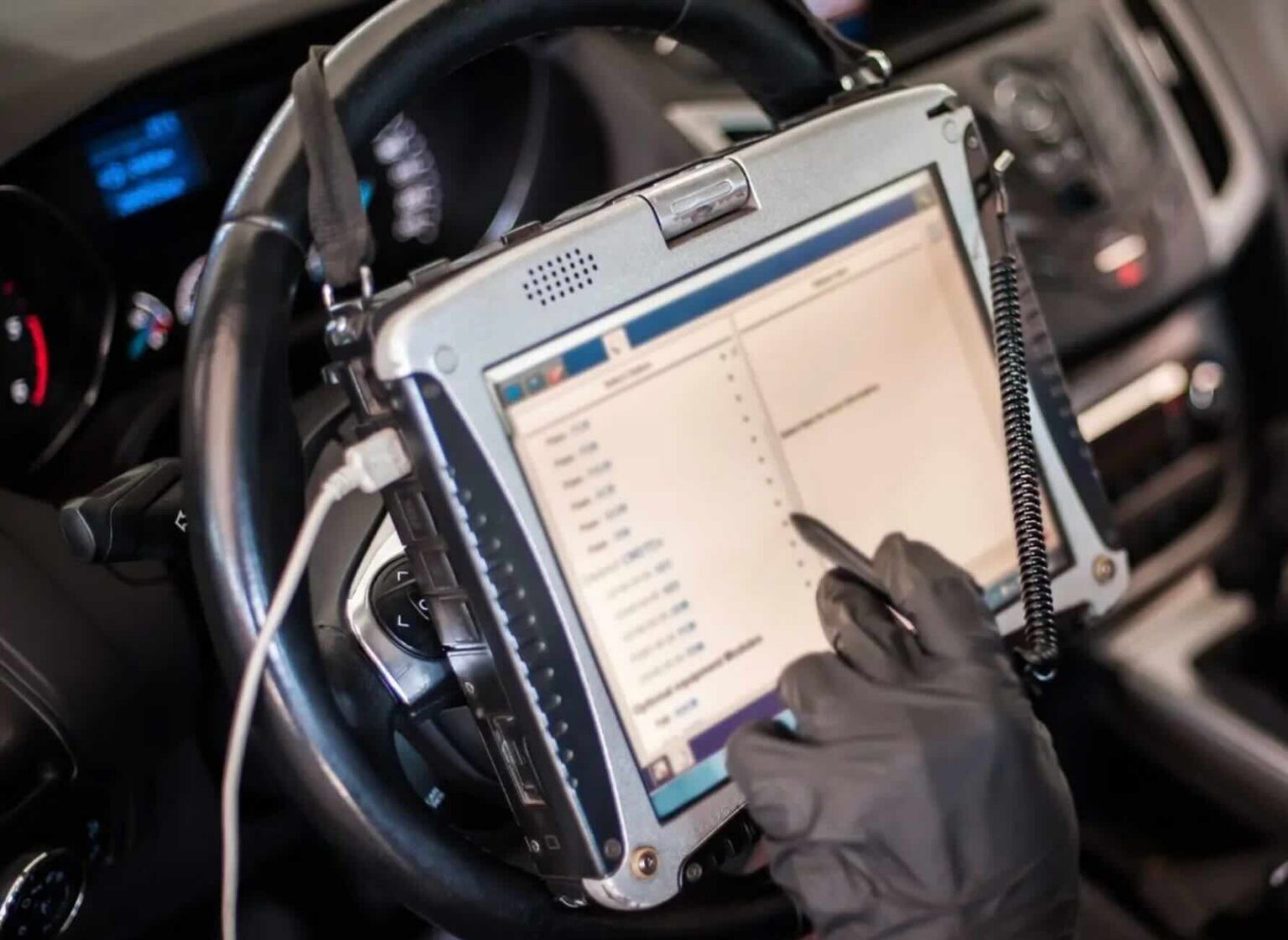
A car black box, more formally referred to as an event data recorder (EDR), is a device that records certain information about a vehicle during a crash or other event that triggers recording. It’s built into the vehicle’s electronics, typically as part of the airbag control system.
Depending on the vehicle, a black box may record things like:
- Vehicle speed before/at the time of the crash.
- Brake use and whether the driver pressed the brakes before impact.
- Accelerator use, or whether the driver was pressing the gas pedal.
- Seat belt use to determine if certain occupants were wearing seat belts.
- Change in speed during the crash.
- Airbag deployment and when the airbags deployed.
However, a black box doesn’t record everything that happens during a drive. Most EDRs only save a short amount of information when certain events occur, such as a serious crash. Still, those few seconds of data could make a big difference when investigators are trying to understand what happened.
Do All Cars Have a Black Box?
So, do cars have black boxes? Many do, but not all of them! Black boxes are common in newer vehicles, especially those made in the last several years. However, whether a car has one depends on its make, model, and year.
In the United States, federal laws set standards for certain information that EDR-equipped vehicles must record, but they don’t require every passenger vehicle to have an EDR. Older cars may not have one at all. And even if a vehicle has a black box, the type of information it records can vary.
If you’re wondering whether your vehicle has a black box, you can check your owner’s manual or ask a qualified professional who works with vehicle data.
Determining Car Accident Liability With Black Box Data
Can a Black Box Prove Who Is at Fault?
Imagine you’re driving through an intersection when another car crashes into you. The other driver claims you were speeding, but you know you weren’t. Now what?
If your vehicle has a black box, its data might help show how fast you were traveling before the crash. If the other driver’s vehicle has one, that information could also help investigators understand what happened. While a black box can help paint a picture, it doesn’t actually tell investigators who’s at fault.
That’s why black box data is often reviewed alongside other evidence, such as police reports, witness statements, traffic camera footage, and photos from the accident scene.
Do Insurance Companies Check Black Boxes After an Accident?
Insurance companies can check black box data after an accident, but that doesn’t mean they always do. Black box data often requires special equipment and trained professionals to retrieve it, and state laws may restrict who can access that data and when.
But even if the insurance company has access to black box data, you shouldn’t rely on the insurer to tell the whole story. Insurance companies have their own interests to protect. If you’ve been injured in a crash, it’s important to understand what evidence is available and how it may affect your claim.
How Car Accident Attorneys Use Black Box Data to Establish Liability
Attorneys investigate crashes to determine who may be responsible for their clients’ injuries. If a black box in a car accident is available, it may become an important part of that investigation.
Here’s how an attorney may use it:
1. Preserve important evidence.
Black box data can sometimes be overwritten, lost, or damaged. An attorney may take steps to preserve the vehicle and its recorded data before that happens.
2. Work with accident reconstruction experts.
These experts study how crashes happen. They can review a black box in a car accident alongside vehicle damage, road conditions, and other evidence to help explain what happened before impact.
3. Challenge conflicting stories.
If another driver claims they were going 30 mph, but their black box shows they were traveling much faster, that information could help challenge their version of events.
4. Build a stronger injury claim.
In Texas, more than one driver can share responsibility for an accident. That means investigators may need to look closely at each driver’s actions to determine how much fault each person carries.
Under Texas law, an injured person generally cannot recover damages if they are more than 50% responsible for the accident. If they are 50% or less responsible, their compensation is reduced by their percentage of fault.
That makes strong evidence especially valuable when an insurance company tries to place more blame on an injured driver.
Why Black Box Evidence Matters After a Car Accident
After a serious car accident, it’s not unusual for people to remember things differently. Crashes happen fast. Drivers may be scared, confused, or hurt. Even someone who is trying to tell the truth may not remember every detail.
A black box in a car accident can be used by investigators to understand what happened without relying only on someone’s memory.
But evidence doesn’t do much good if it’s gone before anyone has a chance to review it. Vehicles get repaired, sold, or sent to salvage yards. Electronic data can be overwritten. And once important evidence is lost, it may be difficult or impossible to recover.
If you’ve been seriously injured in a car accident, you shouldn’t have to figure out how to collect all this evidence while you’re trying to recover.
At Daniel Stark Injury Lawyers, our team investigates accidents, gathers evidence, and fights to hold negligent drivers accountable. We know how much is at stake when an insurance company questions your injuries or tries to blame you for a crash.
Want to know what evidence could help your case? Learn more about our car accident lawyers and how we help injured Texans protect their rights. Your consultation is free, and you don’t pay us unless we win your case.
Frequently Asked Questions About Car Black Boxes and Accident Liability
What Information Can You Get From a Black Box in a Car?
Depending on the vehicle, a black box may record speed, braking, accelerator use, seat belt use, airbag deployment, and changes in vehicle speed during a crash.
This information can help investigators understand what a vehicle was doing in the seconds before and during a collision. However, a black box in a car accident doesn’t record every detail or automatically determine who’s at fault.
Can a Black Box Detect an Accident?
Yes. A car black box can detect certain crash events, such as sudden changes in speed or impacts that meet the device’s recording requirements.
When an event triggers the system, it may save information from the moments before and during the crash. However, not every bump or minor collision will trigger a recording.
How Long Does a Black Box Last in a Car?
A black box is generally designed to remain in the vehicle for its working life, but the data it records may not last forever. Some crash recordings can be overwritten by later events, while certain serious crash records may be locked to prevent them from being replaced.
The amount of time data remains available depends on the vehicle, the type of event, and the recording system. That’s why preserving black box evidence as soon as possible after an accident can be important.
Do Cars Have Black Boxes?
Many modern cars have black boxes, also called event data recorders (EDRs). However, not every vehicle has one. Whether your car has an EDR depends on its make, model, and year. You can check your owner’s manual to learn whether your vehicle is equipped with one.
What Is Car Accident Liability Law?
Car accident liability law refers to the legal rules used to determine who is responsible for injuries and damages caused by a car accident. In Texas, liability often depends on whether a driver acted negligently, such as by speeding, running a red light, or failing to yield.
More than one driver may share fault for a crash. Evidence like black box data, police reports, witness statements, and traffic camera footage can help determine each driver’s responsibility.