
Autor: Shelby Benavidez
Contributing attorney: Olivia Chapa, abogada
Tabla de contenido
TL;DR: Updated Car Seat Safety Standards
- Beginning December 5, 2026, car seat manufacturers have to meet updated federal car seat safety standards.
- New car seat crash tests will measure how well qualifying car seats protect children during side-impact collisions.
- Front-impact crash tests will also be updated to better reflect the design of modern vehicles.
- Parents will not be required to replace their current car seats just because federal safety standards are changing.
- Texas car seat laws are not changing as part of these federal updates, but now is a good time to review your child’s car seat safety.
There’s a lot to consider when you’re shopping for a car seat. You might spend hours reading reviews and comparing safety features. And just when you think you’ve found the right one, you come across something else that makes you second-guess your decision. Now, with federal car seat safety standards changing on December 5, 2026, a lot of parents may be wondering if they need to rethink the car seat they already have.
One of the biggest changes to car seat safety standards is the addition of a required side-impact crash test for certain car seats. While these changes are meant to improve child passenger safety, they may leave parents with some questions, especially if they’ve recently purchased a car seat or have a baby on the way. Before you spend money on a new car seat, here’s what you should know.
New Car Seat Laws for 2026
The National Highway Traffic Safety Administration (NHTSA) sets federal safety standards that car seat manufacturers must follow. As vehicles change and we learn more about how children are injured in car accidents, these standards are updated to improve passenger safety.
On December 5, 2026, manufacturers will be required to meet two updated Federal Motor Vehicle Safety Standards (FMVSS): No. 213a and No. 213b. Here’s what’s changing.
Side-Impact Car Seat Crash Tests
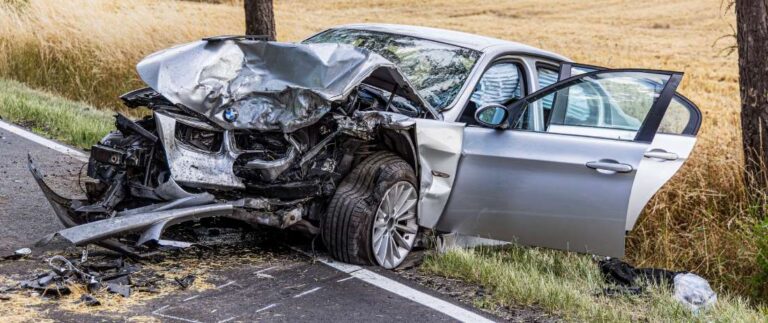
For years, federal car seat crash tests have focused on how well car seats protect children during front-end collisions. But not every car accident happens head-on. In fact, intersection collisions are some of the most common car accidents, and when a driver runs a red light and crashes into the side of your car, there may be very little space between your child and the point of impact.
Under FMVSS No. 213a, qualifying car seats have to pass a side-impact crash test that simulates a T-bone accident to measure how well a car seat protects a child’s head and chest during an accident. The goal is to reduce the risk of serious injuries to young children involved in side-impact collisions.
Updated Front-Impact Car Seat Crash Tests
The way vehicles are built today looks quite different from how they were built decades ago. The design of back seats, seat cushions, and seat belt systems has changed over time.
Manufacturers will now be required to test car seats using an updated vehicle seat model that better reflects the back seats found in modern vehicles.
This allows car seat crash tests to more closely reflect the conditions children may experience in a real-world front-end collision.
Car Seats Affected by the New Safety Standards
The new side-impact testing requirements apply to most car seats designed for children weighing up to 40 pounds or measuring up to about 43 inches tall.
Depending on their height and weight limits, this may include:
- Rear-facing infant car seats
- Convertible car seats
- Forward-facing car seats
- All-in-one car seats
These don’t apply to every type of child restraint. Some products, such as booster seats designed exclusively for larger children, fall outside the new side-impact testing requirements. And some manufacturers have already started meeting the updated car seat standards ahead of the December deadline.
What the New Car Seat Standards Mean for Parents
Do You Need to Replace Your Car Seat in December 2026?
Thankfully, parents don’t have to rush out to buy a new car seat because of the new safety standards. The December 5, 2026, deadline is strictly for car seat manufacturers. As long as your child’s car seat met federal safety standards when it was made and is still safe to use, you can keep using it.
However, it may be time to replace your car seat if:
- It’s expired.
- It’s been involved in a moderate or severe car accident.
- It has an unresolved safety recall.
- It has damaged or missing parts that cannot be safely replaced.
- Your child has outgrown its height or weight limits.
If you’re unsure whether your child’s car seat already meets the updated safety standards, reach out to the manufacturer with the model number and date of manufacture.
Texas Car Seat Laws in 2026
The updated federal car seat standards don’t change Texas car seat laws. Under Texas law, children younger than 8 years old must ride in an appropriate car seat or booster seat unless they’re taller than 4 feet, 9 inches. However, just because your child meets the minimum legal requirements doesn’t always mean they’re ready to move out of their car seat.
Every child grows at a different rate. Rather than moving your child into a forward-facing car seat or booster seat as soon as they reach a certain age, pay attention to the height and weight limits of their current seat and follow the manufacturer’s instructions. Your child might be safer staying in their current type of car seat a little longer.
How Can You Make Sure Your Child’s Car Seat is Safe?
Even a car seat with the latest safety features may not provide the protection it’s designed to if it isn’t installed or used correctly. According to NHTSA, approximately 46% of car seats are misused.
Whether you’re purchasing a new car seat or continuing to use your current one, here are a few car seat safety tips to keep in mind:
- Choose a car seat based on your child’s age, height, and weight.
- Follow the installation instructions in both your car seat manual and your vehicle’s owner’s manual.
- Make sure the car seat doesn’t move more than an inch in any direction when pulled at the belt path.
- Check that your child’s harness straps are snug and the chest clip is at armpit level.
- Use the top tether when installing a forward-facing car seat with a harness, as directed by the manufacturer.
- Register your car seat with the manufacturer so you can be notified of safety recalls.
If you’d like someone to double-check your installation, there are resources all over Texas. You can visit Texas A&M AgriLife Extension’s Buckleup.tamu.edu or TxDOT’s lovemycarseat.org to find a certified technician near you.
Car Seat Safety: Protecting Your Child on the Road
From the time our kids are little, we’re constantly reminding them to look both ways before crossing the street or hold our hands in a busy parking lot. But when we get in the car, they’re counting on us to keep them safe. We can’t control what other drivers do, but we can take the extra few minutes to make sure our kids are in the right car seat, that it’s installed correctly, and that they’re properly buckled in before we leave the driveway.
At Daniel Stark Injury Lawyers, we’ve worked with families who were doing everything they could to keep their children safe, only to have another driver’s careless decision turn their lives upside down. If your family is in that position, learn more about how our car accident lawyers can help protect your family and guide you through the recovery process.
Frequently Asked Questions About Car Seat Laws and Safety Standards
Do I need to replace my car seat?
No, you can still use your current seat as long as it isn’t expired or damaged, doesn’t have any unresolved safety recalls, is appropriate for your child’s size, and meets the manufacturer’s guidelines for continued use.
Can I still buy a car seat manufactured before December 5, 2026?
Yes. You may still see car seats on store shelves that were made before December 5, 2026. As long as they met the federal safety standards at the time they were made and are otherwise legal to sell, stores can generally continue selling them.
If you’re in the market for a new car seat, you can always reach out to the manufacturer to find out whether the model you’re interested in meets the updated safety standards.
How do I know if my car seat meets the new federal safety standards?
Start by checking the date your car seat was made. You can usually find this on a label attached to the seat. If it was made on or after December 5, 2026, it must meet the updated federal car seat standards that apply to it. If it was made before then, it’s worth checking with the manufacturer. Some brands have already started making car seats that meet the new requirements.
Do I need to replace my car seat after a car accident?
NHTSA recommends replacing car seats after moderate or severe car accidents, even if there is no visible damage.
Some car seats may still be safe to use after a minor collision. However, certain manufacturers require replacement after any accident, so always follow the instructions provided by your car seat manufacturer.
If another driver caused the crash, the cost of replacing your car seat may also be covered as part of your property damage claim.
When can my child stop using a booster seat in Texas?
In Texas, your child isn’t legally required to ride in a car seat or booster seat once they turn 8 or grow taller than 4 feet, 9 inches. However, children should continue using a booster seat until the vehicle’s seat belt fits them properly. The lap belt should rest across their upper thighs, and the shoulder belt should sit across their chest and shoulder rather than their neck or face. For many children, this doesn’t happen until they’re between 8 and 12 years old.