
Author: Shelby Benavidez
Contributing Attorney: Brad Russell, attorney
Christmas is right around the corner, and New Year’s Day isn’t too far behind. Whether you’re hitting up your work Christmas party with an open bar or meeting your friends for drinks, alcohol is a common staple of any holiday celebration – which is fine when enjoyed responsibly.
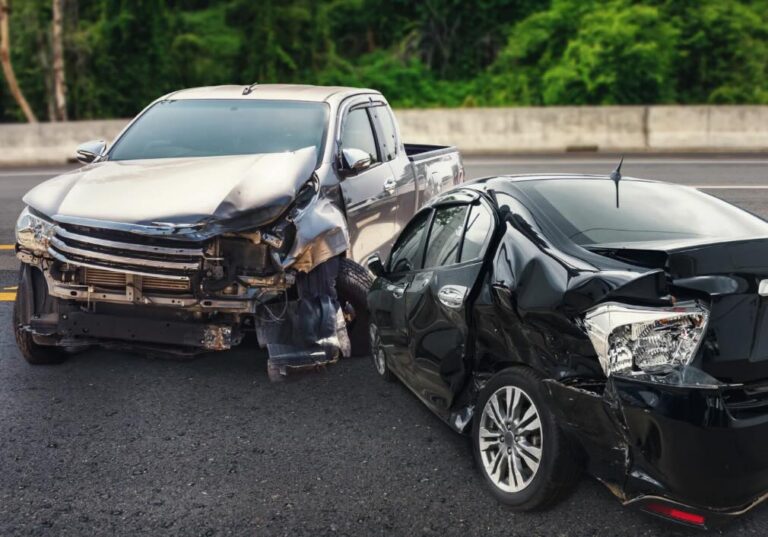
However, during this time of year, alcohol-related crashes and serious injuries spike across Texas. When people think about drunk driving accidents, they usually focus on the driver who made the choice to get behind the wheel. While that responsibility is real, Texas law recognizes that the blame doesn’t always stop there.
In some cases, the people or businesses that continued serving alcohol to someone who was clearly intoxicated may also be legally responsible. These laws can play a major role in personal injury claims after a drunk driving crash.
If you’ve been hurt or have lost a loved one by an intoxicated driver, understanding how overserving laws work in Texas could be the key to holding all responsible parties accountable.
Understanding Alcohol Liability in Texas
Drunk Driving Statistics in Texas
Texas consistently ranks among the states with the highest number of alcohol-related crashes. During holiday seasons especially, law enforcement agencies report a noticeable increase in drunk driving incidents. While these numbers are alarming, they also highlight why Texas lawmakers created laws designed to prevent excessive alcohol service in the first place.
Bars, restaurants, nightclubs, and similar establishments play a critical role in public safety. When alcohol is served responsibly, risks are reduced. When it isn’t, innocent people on the road can pay the price.
What Age Group Is Most Often Involved in Alcohol-Related Crashes
Young adults between the ages of 21-35 are the leading age group for alcohol-related crashes. This age group is also more likely to frequent bars, attend large social gatherings, and participate in holiday celebrations where alcohol is heavily present.
That connection makes responsible alcohol service especially important. When bars ignore obvious signs of intoxication, the risk of injury to the public increases dramatically.
How Overserving Alcohol Contributes to Personal Injury
Overserving can be a direct contribution to drunk driving accidents. When someone is visibly intoxicated, their reaction time, coordination, judgment, and decision-making abilities are already impaired. Continuing to serve alcohol at that point significantly raises the likelihood of dangerous behavior – including driving. Responsible bartenders and servers should know when it’s time to cut off a patron and call them an Uber.
Texas law acknowledges this connection, which is why overserving alcohol can open the door to personal injury liability beyond the drunk driver alone.
What Does It Mean to Overserve Alcohol?
Defining Overserving in Simple Terms
Overserving occurs when a bar, restaurant, or other alcohol-serving establishment continues to serve alcohol to a patron who is obviously intoxicated. This doesn’t mean the person merely had a drink or two. It refers to a noticeable level of impairment that staff should reasonably recognize.
Signs of obvious intoxication may include slurred or obnoxious speech, difficulty walking or standing, glassy or bloodshot eyes, aggressive or erratic behavior, and trouble handling money or credit cards.
Bartenders and servers should be trained (and legally expected) to watch for these warning signs. When they ignore them and continue serving alcohol, they may be violating Texas law.
Texas Dram Shop Laws Explained
Texas overserving laws fall under what is commonly known as the Dram Shop Act. Under this law, an alcohol-serving establishment may be held liable if they sold or served alcohol to a person who was obviously intoxicated, and that intoxication was a proximate cause of the injuries or damages suffered.
It doesn’t require the establishment to know the person would drive. It focuses on whether the intoxication was obvious and whether continuing to serve alcohol contributed to the harm that followed.
If both elements are met, the establishment may be named in a personal injury lawsuit alongside the drunk driver.
Why Overserving Laws Exist
Overserving laws aren’t meant to punish responsible businesses. They exist to encourage proper training of bartenders and servers to reduce drunk driving and alcohol-related injuries. This protects the public from preventable harm and holds negligent establishments accountable when injuries do happen. When followed, these laws save lives. However, when these laws are ignored or bartenders look the other way, it creates a dangerous situation for the customer and everyone else on the road.
Texas Drunk Driving Liability & Your Rights
Can You Sue a Drunk Driver After an Accident?
In Texas, a drunk driver can be held civilly liable for injuries they cause. A personal injury claim against the driver may allow you to recover compensation for medical bills, lost wages, pain and suffering, and other damages.
However, many drivers often carry limited insurance coverage. In severe injury cases, that coverage may not be enough to fully compensate victims – which is where overserving laws become especially important.
Who Else Can Be Responsible? Bars, Restaurants, and Overserving Liability
Under Texas dram shop laws, responsibility doesn’t stop with the intoxicated driver. Bars, restaurants, clubs, and event venues can also be held accountable if they overserved alcohol.
In a dram shop personal injury claim, your attorney may investigate how much alcohol the driver was served and whether the staff noticed signs of intoxication. To gather this information, they may gather surveillance footage from the establishment, credit card receipts and timestamps, and witness statements from staff or other patrons.
If evidence shows the establishment continued serving alcohol to someone who was clearly impaired, it may share liability for the injuries that occurred later. Including a dram shop claim in a personal injury case can increase available compensation and improve long-term financial recovery for victims.
Because bars and restaurants often carry higher insurance limits than individual drivers, these claims can make a meaningful difference for those facing serious injuries or lifelong medical needs.
What About Private Parties and Social Hosts?
Texas law treats social hosts differently than licensed alcohol providers. Generally, private individuals are not liable for overserving adults. However, serving alcohol to minors is an exception. If a host knowingly provides alcohol to a minor and that minor causes an injury, the host may face legal consequences.
What Is Included in a Drunk Driving or Overserving Settlement?
A successful personal injury claim involving overserving may include compensation for economic, non-economic, and punitive damages. This includes tangible things like medical bills (past, present, and future), lost wages or reduced earning capacity, and property damage; pain and suffering, emotional stress, and loss of enjoyment of life. Punitive damages are awarded when someone’s conduct is especially reckless, such as extreme intoxication or repeated offenses, as a way to deter the individual from committing the same act again. Each case is different, but overserving claims often strengthen the overall value of a settlement.
Key Takeaways: Overserving Laws May Contribute to Securing Full Value
Overserving laws in Texas exist for a reason. They recognize that alcohol-related injuries don’t happen in a vacuum – they often result from a series of poor decisions made by multiple parties.
When bars and restaurants ignore obvious signs of intoxication, they put others at risk – and their negligence can be just as dangerous as that of the driver. Texas law gives injury victims the right to seek accountability not only from drunk drivers, but also from establishments that failed to serve alcohol responsibly.
If you or someone you love was injured in a wreck with a drunk driver, it’s important to understand that the bar or restaurant that overserved them may also be responsible. These cases shouldn’t be handled on your own. Contact a qualified personal injury attorney to secure full value for your injuries.
Responsible alcohol service saves lives. When it doesn’t happen, Texas personal injury law is there to protect those who are harmed.