Author: Shelby Benavidez
Contributing Attorney: Arash Karimi, attorney
TL;DR: Key Takeaways for Dog Leash Laws in Texas
- Texas doesn’t have a single statewide leash law. Instead, dog leash laws in Texas are primarily created and enforced by cities and counties.
- A dog owner who violates a local leash ordinance may be held liable if their dog injures another person or animal.
- Even if a dog was on a leash, owners still have a legal duty to maintain control over their animal.
- If you were injured by a dog, whether it was on or off leash, you may have legal options depending on the circumstances.
- An experienced Texas dog bite attorney can investigate whether leash law violations, negligence, or other legal theories support your claim.
Everyone knows that guy. The one who lets their dog roam freely through the neighborhood, insisting, “Don’t worry! He’s friendly.”
And maybe that’s true. But being friendly doesn’t mean a dog can’t bite. Even well-behaved dogs can become startled, scared, or defensive, and when they do, they can seriously injure someone without warning.
That’s when everyone starts asking: Was the dog supposed to be on a leash?
Many Texans assume there’s one statewide law governing when dogs must be restrained. However, dog leash laws in Texas vary from one community to the next. So, what’s perfectly legal in one city could violate local ordinances just a few miles away.
Beyond promoting responsible pet ownership, these laws can also play an important role in determining liability after a dog bite or other dog-related injury.
Let’s take a closer look at how leash laws work in Texas and what they can mean if someone gets hurt.
Dog Leash Laws in Texas
Laws About Dogs on Leash
One of the biggest misconceptions about dog leash laws in Texas is that there is one universal rule requiring every dog to be leashed at all times. There isn’t.
Instead, Texas generally leaves leash regulations to local governments. Cities and counties create ordinances that reflect the needs of their communities. As a result, leash requirements in Houston may differ from those in Austin, Waco, Bryan, or a smaller rural community.
Although the specific rules vary, many local ordinances require dogs to be restrained by a physical leash when in public places and remain under the owner’s control while walking. Even at home, many cities require dogs to stay confined when on the owner’s property so they cannot escape and avoid creating a public nuisance or safety hazard.
However, in many communities, owners aren’t required to keep their dog physically leashed inside a fenced yard or secured area. In fact, Texas has laws protecting animals from being chained up even in their own yards.
But pet owners still have a duty to prevent their dog from escaping and creating a danger to others. Broken fences, open gates, or allowing a dog to repeatedly wander into the neighborhood may expose an owner to liability if someone gets hurt.
Dogs Off Leash
People frequently ask, “Is it illegal to have your dog off leash?” The answer depends on where you are.
Many Texas cities prohibit a dog off leash in public parks, sidewalks, streets, and other common areas. There are areas specifically designated as off leash, such as designated dog parks, certain recreational areas, and private property where the owner has permission to let their dog roam.
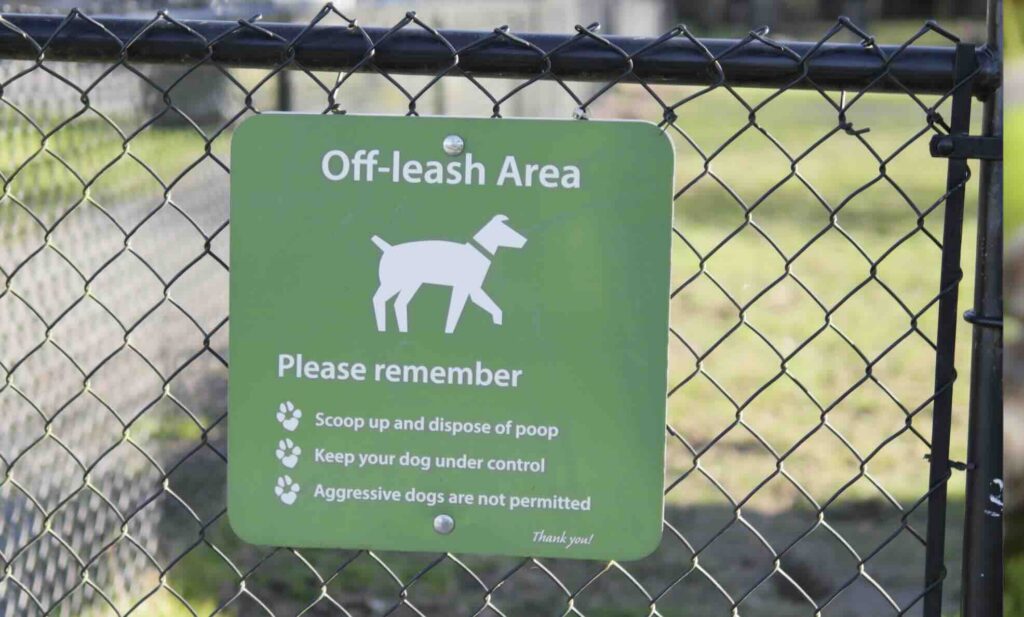
Outside those locations, a dog off leash may violate local ordinances. Breaking a leash law may not land someone in criminal court, but it can make a big difference if an injury leads to a personal injury claim. If a dog owner ignored a local leash law and someone got hurt because of it, that violation could help show the owner acted negligently.
Leash laws exist for a reason. Even the best-trained dogs can get startled, distracted, or react in ways their owners don’t expect, especially around children.
Consequences for Violating Leash Laws
Because Texas is largely dependent on local ordinances, understanding your city’s rules is extremely important. Some municipalities require leashes no longer than a certain length. Others require dogs to remain under immediate physical control. Some impose stricter requirements for dogs with a history of aggressive behavior.
Violating these ordinances can carry fines or other penalties. More importantly, if someone is injured, those violations may become critical evidence during a civil lawsuit. If you’re unsure about the leash requirements where you live, checking your city or county animal control ordinances is the best place to start.
Dog Leash Laws in Personal Injury Claims
Pet Owners’ Legal Standard of Care
While we all love our furry friends, owning a dog is a big responsibility. Texas law generally expects pet owners to exercise reasonable care in controlling their animals. This is often referred to as the owner’s legal standard of care.
Reasonable care can be relative, but it usually includes following local leash ordinances, maintaining fences and gates on your property, and supervising your dog around unfamiliar people. It’s especially important to take extra precautions if your dog has previously shown aggressive behavior to prevent foreseeable injury.
Not every dog bite automatically means the owner is legally responsible. Instead, investigators often look closely at what the owner did (or didn’t do) before the incident happened. For example, evidence that an owner ignored repeated escape attempts, knowingly allowed a dog to roam, or violated local leash requirements may strengthen a negligence claim.
What Are Your Options After a Dog Bite?
Whether the dog was leashed or not, being attacked can be physically painful, emotionally traumatic, and financially overwhelming.
It doesn’t take long for medical bills to start adding up, especially if you need emergency care, surgery, follow-up treatment, or medication to prevent infection. Some victims are also left with permanent scarring or lasting psychological effects.
If you’ve been bitten or an off-leash dog attacked your dog and you were injured trying to intervene, you may have legal options.
Depending on your case, you may be able to seek compensation for medical care, future treatment, lost income, diminished earning capacity, pain and suffering, emotional distress, and any permanent scarring or disfigurement caused by the attack.
The fact that a dog was on a leash doesn’t automatically prevent a claim. For example, a dog owner may still be negligent if they used an inadequate leash and failed to control their dog. They may also be liable if they ignored warning signs of aggressive behavior. Likewise, if the dog was roaming freely in violation of local ordinances, that fact may become important evidence supporting your claim.
Contact a Qualified Dog Bite Attorney in Texas
Every dog bite case is unique. And when it comes to proving liability, these cases can become complicated without the help of an experienced dog bite attorney. Insurance companies may try to argue that “dogs will be dogs,” that the owner wasn’t at fault, or that the homeowner’s insurance policy doesn’t cover the attack.
A qualified Texas dog bite attorney can investigate what happened, preserve important evidence, and determine whether negligence contributed to your injuries, and fight for the full value you deserve.
Final Thoughts: Dog Leash Laws Protect Everyone
At the end of the day, most dog owners want their pets to be happy and safe. Leash laws help make that possible while also protecting the people and animals around them.
It only takes a few seconds for an unexpected encounter to change someone’s life. Sometimes, all it takes is a dog slipping through an open gate, pulling free from its owner’s grip, or darting into the street for someone to get seriously hurt.
If you’ve been injured because someone failed to properly control their dog, you may have legal rights. Learn more about our Texas dog bite attorney services and find out how we can help protect you from what happens next.
Frequently Asked Questions About Dog Leash Laws
How to deal with a neighbor who doesn’t leash their dog?
Start by having a respectful conversation if you feel safe doing so. If the issue continues, document the behavior and report repeated leash law violations to your local animal control agency or code enforcement office. If the loose dog causes injuries or property damage, consult an attorney about your legal options.
Does Ohio have a leash law for dogs?
Yes. Ohio has statewide laws requiring owners to keep dogs under reasonable control, although local municipalities may have additional leash requirements. In addition to state law, many Ohio cities and counties have their own leash ordinances, so be sure to review the local rules where you live.
Does Michigan have a dog leash law?
Michigan has state laws addressing dogs running at large, but many cities and townships also enforce their own leash ordinances. Local rules often determine when and where dogs must be leashed.
Do I legally have to have my dog on a lead?
You don’t always have to keep your dog on a lead, but it depends on where you live. Texas allows cities to determine their own leash ordinances. If you’re unsure, contact your local police department or animal control. They should be able to provide that information.
Off Leash Dog Attacked My Dog: What Are My Rights?
If an off leash dog attacked your dog, your rights will depend on the circumstances and the laws in your city or county. In many Texas communities, allowing a dog to roam off leash may violate local ordinances, which can be important if the owner is found to have acted negligently. You may be able to recover compensation for veterinary expenses or other property damage related to your pet. If you were also injured while trying to protect your dog or break up the attack, you may have grounds to pursue a personal injury claim against the dog’s owner. An experienced attorney can evaluate the facts of your case and explain what legal options may be available.