
Author: Shelby Benavidez
Contributing Attorney: Leany Hammer, attorney
TL;DR: Key Takeaways for Car Accident Head Injuries
- Head injuries after car accidents can be serious, even if symptoms don’t show right away.
- Watch for symptoms like headaches, dizziness, memory issues, and mood changes.
- Seek medical care immediately for severe symptoms like loss of consciousness or repeated vomiting.
- Early medical documentation is key for both treatment and any potential claim.
- Compensation may cover medical bills, lost wages, and long-term care.
A car accident can change your life in an instant, and sometimes the most serious injuries aren’t visible. Head injuries, in particular, can be subtle at first but may have lasting effects that impact your body, mind, and finances. Understanding car accident head injuries, from early symptoms to the long-term consequences, can make all the difference in protecting your health and your future.
Whether you’ve recently been in a crash or are simply curious about the risks, this guide will help you recognize, treat, and seek compensation for head trauma after a car accident.
Traumatic Brain Injuries From Car Accidents
What Is a TBI?
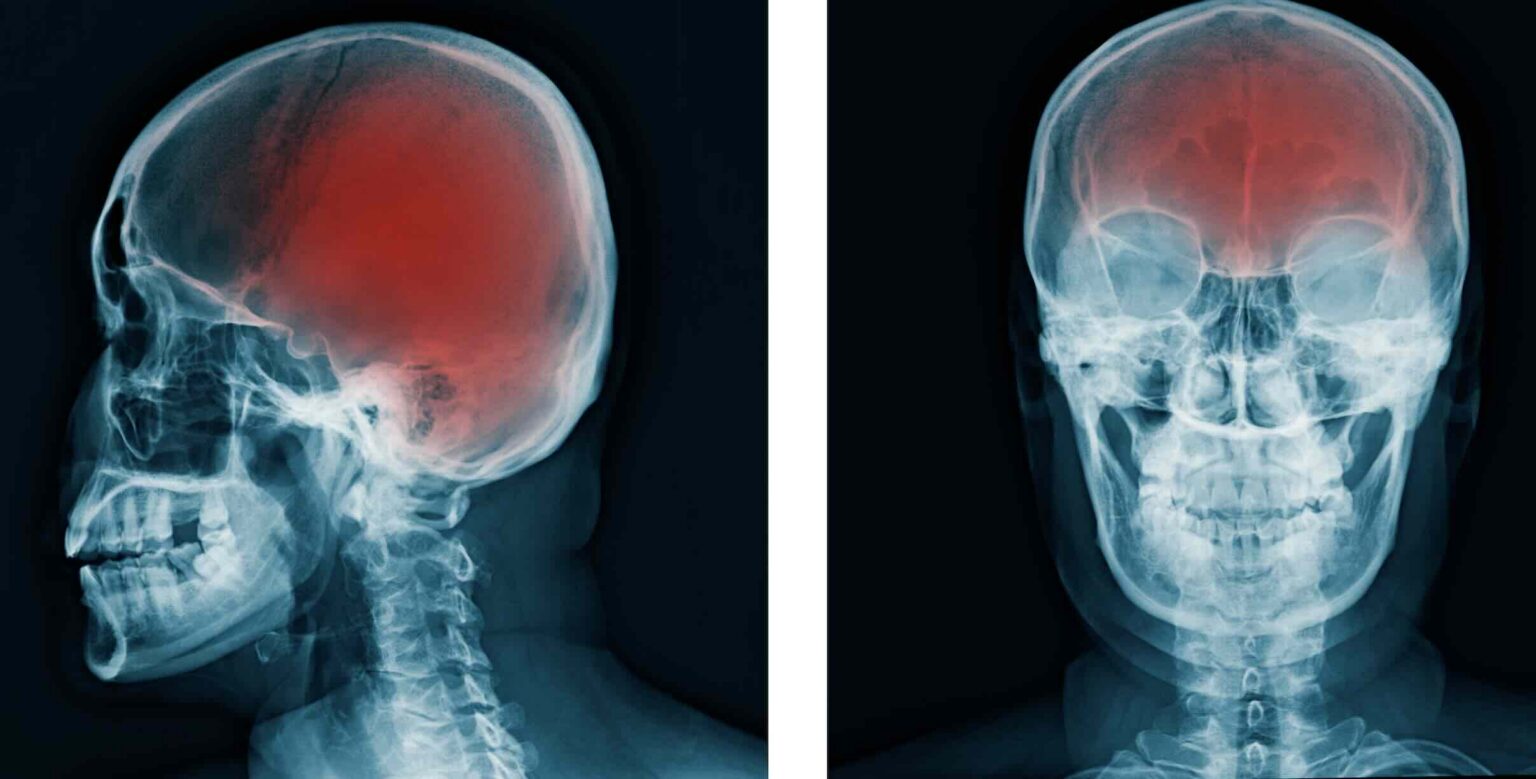
A traumatic brain injury (TBI) occurs when an external force, like a car accident, damages the brain – but that doesn’t necessarily mean a blow to the head. The whiplash action itself can cause the injury. TBIs can range from mild, such as a brief concussion, to severe injuries that cause long-term physical and cognitive challenges.
The most common form of a TBI is a concussion, which happens when your head is violently pushed in any direction and causes your brain to move inside your skull. Another common form of TBI is a contusion, which is mild-to-severe bruising of the brain tissue. Diffuse Axonal Injury and penetrating injuries are more immediately life-threatening forms of TBI.
Can Head Trauma Cause Permanent Damage?
Depending on the severity, head trauma can absolutely cause permanent damage to the brain. While many mild TBIs heal over weeks or months, some head injuries can cause lasting effects, such as memory loss, difficulty concentrating, mood changes, or even physical impairments. Even a “minor” concussion can lead to complications if not properly treated.
How Long Does It Take to Recover from a TBI?
Recovery from a TBI depends on the type and severity of the brain injury. Mild concussions may improve within a few weeks, while severe TBIs can require months (or even years) of rehabilitation. Some patients may never fully regain their previous level of function, which can significantly impactwork, daily life, and financial stability.
Symptoms of Auto Accident Head Injury
How Do You Know if Hitting Your Head Is Serious?
Not every bump to the head is an emergency, but you can never be too cautious – especially after a car accident. Warning signs that a car accident head injury could be serious include loss of consciousness, confusion, vomiting, persistent headache, or changes in behavior. When in doubt, err on the side of caution and seek medical attention as soon as possible.
What Are the Symptoms of a Head Injury After a Car Accident?
Symptoms of a head injury can vary, and they may not appear right away. Common signs of a TBI include:
- Headaches or pressure in the head
- Dizziness or loss of balance
- Memory loss or difficulty concentrating
- Mood swings, irritability, or depression
- Nausea or vomiting
- Sensitivity to light or noise
If you begin to experience any of these symptoms, it is crucial to get checked out by a doctor immediately. Early recognition is key to preventing further complications and documenting your injury for head injury compensation claims.
How Long After You Hit Your Head Can Symptoms Appear?
Some symptoms of a brain injury appear immediately; others may not develop for hours, days, or even weeks – or you may never experience symptoms. With brain injuries from car accidents, delayed symptoms are extremely common.
Sometimes the effects aren’t obvious to you at all, you might just feel “off” or not quite yourself. This is where friends and family can be an important early warning system. If those around you notice changes in your behavior, mood, or personality, or if you’re feeling unusually down, we highly encourage you to get checked out by a doctor. It’s better to be seen and find nothing than to assume it’s nothing and have a brain injury go untreated.
When to Go to the ER After Hitting Your Head?
You should always be evaluated by a doctor after any car accident, even if it seems minor. However, your condition may be an emergency if you start experiencing:
- Loss of consciousness
- Severe or worsening headache
- Repeated vomiting
- Seizures or convulsions
- Slurred speech, vision changes, or numbness
Prompt medical attention not only protects your health but also strengthens your case for head injury compensation.
Head Injury Compensation Claims
How Much Compensation for Car Accident Head Injury?
As much as we wish a TBI were automatic money in your pocket, every case is different. Compensation for a head injury after a car accident depends on the severity of your injury, medical expenses, lost wages, pain and suffering, long-term care needs, and how the injury has impacted your life.
Mild concussions that resolve themselves within a few weeks will likely result in lower settlements, while severe brain injuries with long-term consequences can lead to significant financial recovery, depending on what policy is available. A thorough evaluation by a car accident attorney will help make sure you are getting full value for your injury.
Calculating Long-Term Impact for Compensation
Insurance companies are notorious for trying to dismiss TBIs and other brain injuries. We often see insurers try to downplay these injuries or sweep them under the rug, especially when scans look normal. They may treat a concussion or head injury like it’s nothing, even when the person is dealing with memory issues, mood changes, headaches, or difficulty concentrating weeks or months later.
Because of this, proving the full impact of a car accident head injury is extremely important. To prove your injury and advocate for full value, an attorney will typically work to document both the immediate and long-term effects of the injury.
When pursuing head injury compensation claims, attorneys will look at medical treatment costs (both current and future), rehabilitation and therapy costs, lost income and future earning potential, and the overall impact of the injury on your life.
The compensation you receive should reflect not only what you’ve already gone through, but also the long-term impact of your brain trauma after a car accident. Brain injuries are not always visible, but their effects can last for years – and that deserves to be recognized.
Contact a Car Accident Attorney
Navigating head injury compensation after a car accident can be extremely difficult, especially if you’re experiencing symptoms, like fatigue or confusion. An experienced car accident attorney can help document your injury, evaluate long-term effects, and fight for full value with heart and aggression. Most car accident attorneys offer free consultations and No-Fee Guarantees, so you have nothing to lose.
Key Takeaways: Prioritize Your Health After a Car Accident Brain Injury
Head injuries from car accidents can be difficult, especially because they can sometimes be invisible. But even a mild concussion can have lasting consequences, and failing to document or treat your injury can harm your recovery and your ability to claim fair compensation.
If you or someone you love suffered a brain injury due to someone else’s negligence, don’t try to handle it on your own. Contact a car accident attorney for a free case evaluation today and get the full compensation you deserve.
FAQs about Head Injuries and TBIs
What is the most common type of head injury after a car accident?
Concussions are the most common, but contusions, diffuse axonal injuries, and penetrating injuries can also occur.
What is the 4-hour rule for concussions?
The “4-hour rule” refers to a critical window after a head injury. If a person shows worsening symptoms, such as increasing confusion, vomiting, severe headache, slurred speech, or drowsiness, within the first four hours, it’s considered a medical emergency. Immediate evaluation in an ER is your best chance at preventing permanent damage.
Can I recover fully from a traumatic brain injury?
Recovery after a traumatic brain injury varies. Mild TBIs often resolve within weeks, but moderate to severe injuries may have lasting physical or cognitive effects.
How soon should I seek medical care after hitting my head in a car accident?
We highly recommend immediate care, especially for severe symptoms. Even mild injuries should be evaluated to document your condition for head injury compensation claims.
How is compensation calculated for a car accident head injury?
Compensation considers medical bills, rehabilitation costs, lost wages, and long-term impacts on quality of life. It’s important to remember that your recovery is often limited by the available policy limits.
Can I handle a head injury claim without an attorney?
You can, but we wouldn’t recommend it. An attorney can maximize your head injury compensation by properly documenting your injury, treatment, and long-term effects.