
Author: Shelby Benavidez
Contributing Attorney: Olivia Chapa, attorney
Left turns seem simple. You flip on your blinker, slow down, and turn the wheel. It’s something most of us do without a second thought, sometimes dozens of times a day. But the surprising truth is that left turns are one of the most dangerous maneuvers drivers make on the road.
If you’ve ever felt that brief moment of uncertainty while watching oncoming cars, guessing their speed, and wondering if that yellow light will change, just patiently waiting to turn left – you’re not alone. That split-second decision-making is exactly why left turns lead to so many serious crashes. In fact, transportation safety data consistently shows that a significant portion of intersection accidents involve left-turning vehicles.
In this blog, we’ll break down why left turns are so risky, the rules drivers are expected to follow, and the common mistakes that drivers make during left turns. Whether you’re a cautious driver or someone who’s been behind the wheel for decades, understanding the dangers of left turns can help keep you and everyone around you safer.
How to Safely Make a Left Turn
Rules for Making a Left Turn
Traffic laws exist to create predictability. When everyone knows what to expect, roads are safer. Left turns, however, introduce more variables than almost any other driving maneuver.
In general, drivers making a left turn are required to yield to oncoming traffic going straight, yield to pedestrians crossing the intersection, follow traffic signals, and turn from the correct lane into the correct lane.
Even when you have a green light, that doesn’t automatically mean you have the right of way to turn left. Unless a dedicated left-turn arrow is displayed, the responsibility usually falls on the turning driver to wait until the path is clear.
Because left turns cut across opposing lanes of traffic, you don’t have a lot of room for error. A single misjudgment of speed, distance, or timing can result in a devastating crash.
What Is the Correct Procedure When Making a Left Turn?
Making a safe left turn should never be an instant decision. It takes time to go through the steps and evaluate the risks.
First, signal early. Turn your blinker on at least 100 feet before making a left turn to alert other drivers that they will need to move around you or adjust their speed. Waiting too long to signal increases the risk of other drivers rear-ending your vehicle.
Second, slow down and move into the left-turn lane or near the center line, depending on the roadway. Avoid drifting or sudden stops, which can catch drivers behind you off guard.
Third, pay attention to your surroundings. Look straight ahead for oncoming vehicles, check crosswalks for pedestrians and cyclists, and watch for vehicles that may try to run a yellow or red light.
When you finally see a safe opening – commit. Hesitating in the middle of a left turn can be just as dangerous as going too early. Once you turn the wheel, follow through at a steady speed and move into the correct lane. In most situations, that means aiming for the inside lane.
Left Turns at Intersections, Driveways, and Parking Lots
Obviously, not all left turns happen at intersections. Turning left into or out of a driveway, shopping center, or parking lot has its own risks. These turns often occur without traffic signals, so drivers have to rely entirely on judgment. With limited visibility due to parked cars, trees and bushes, and sporadic traffic, the risk of a crash is even greater. Drivers exiting a driveway have to yield to all oncoming traffic, but many left-turn crashes happen because drivers assume the road is clear when it isn’t.
The Dangers of Left Turns
Why Are Left Turns So Dangerous?
Left turns are dangerous because they demand more from drivers in a short amount of time. You’re required to judge speed and distance while managing pressure from vehicles behind you.
Unlike right turns, which typically involve traffic moving in the same direction, left turns force drivers to cross paths with oncoming traffic. If either driver makes a mistake, the result is often a high-impact T-bone accident.
These crashes are especially severe because they frequently strike the side of a vehicle, where there is less structural protection compared to the front or rear.
Unprotected vs. Protected Left Turns
Protected left turns are controlled by a green arrow. When the arrow is illuminated, oncoming traffic is stopped, and drivers can turn without crossing moving vehicles. Therefore, protected left turns are much safer.
Unprotected left turns, on the other hand, occur when drivers have to turn left on a solid green light without an arrow. In these situations, drivers are required to yield to oncoming traffic and pedestrians.
Unprotected left turns are far more dangerous because the driver may misjudge the speed of oncoming vehicles, thinking they have enough distance to turn when they don’t. Gaps in traffic can close quickly, and drivers may start to get impatient, causing them to makeimpulsive decisions. Not to mention, oncoming drivers may make unsafe decisions, such as running yellow or red lights. That’s why many serious intersection crashes happen during unprotected left turns, especially during rush hour when traffic is heavy, and drivers feel pressured to go.
The Role of Speed and Distraction
Speed amplifies the danger of left turns. A car traveling just 10 miles per hour faster than expected can completely change the outcome of a turning decision.
Distraction makes matters worse. A driver glancing at a phone, adjusting navigation, or talking to passengers may miss a critical visual cue. When distraction meets a left turn, the consequences can be catastrophic.
Common Left-Turn Hazards
Common Mistakes When Making Left Turns
Driver error is the most common cause of left-turn accidents. For example, a driver may turn too quickly without watching for oncoming traffic, misjudge how long it will take them to clear the intersection, or assume other drivers will just slow down or stop. Another frequent error is “creeping” forward, which can pressure both the turning driver and oncoming traffic into making unsafe decisions.
Left Turns Involving Semi-Trucks
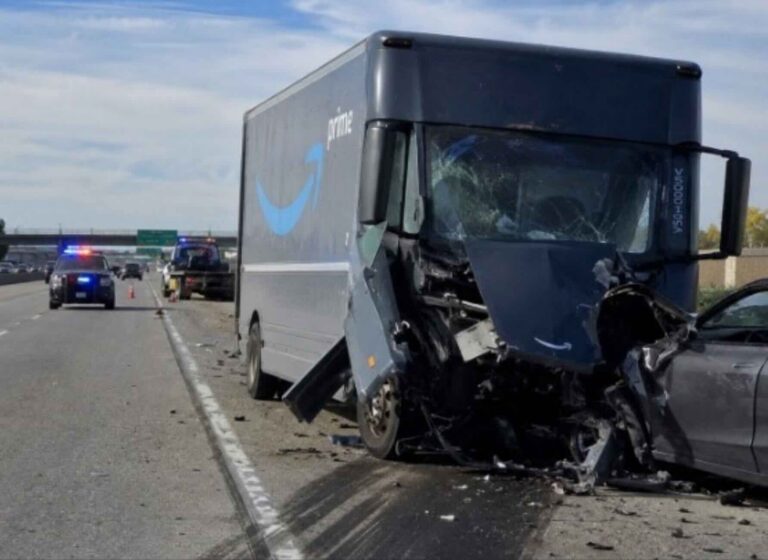
Left turns become even more dangerous when large commercial vehicles are involved. Semi-trucks require more time and space to turn. They may swing wide, cross multiple lanes, or block visibility for other drivers.
Truck drivers also face blind spots, known as no-zones, where smaller vehicles can disappear entirely. A driver making a left turn near a semi-truck may assume they’ve been seen when they haven’t.
Motorcycles, Bicycles, and Pedestrians
Left-turn crashes involving motorcycles are especially common. Motorcycles are smaller and harder to see, and drivers often underestimate their speed.
Cyclists and pedestrians are also at risk, particularly in urban areas. A driver focused solely on oncoming cars may fail to notice a person crossing legally in the crosswalk.
Key Takeaways: Treat Left Turns with Caution
Left turns are a reminder that driving requires patience and awareness. The next time you’re sitting at an intersection, watching traffic stream toward you, consider taking a few extra seconds to be certain, which could prevent years of consequences. Being a little late is always better than never making it to your destination because you were in a crash.
With busier roads and more distractions behind the wheel, left turns aren’t something drivers can afford to rush. Treating them as high-risk moments can reduce the chance of a serious car accident.
Frequently Asked Questions About Left-Turn Accidents
Why do so many accidents happen during left turns?
Left turns require drivers to cross oncoming traffic while judging speed and distance. A small miscalculation can lead to a T-bone collision.
Who is usually at fault in a left-turn accident?
Usually, the driver making the left turn is found at fault for failing to yield. However, fault can vary depending on the circumstances and the actions of other drivers. If you’ve been injured in a left-turn accident, we highly encourage you to consult with a qualified car accident attorney.
Are left turns more dangerous than right turns?
Yes. Left turns are generally more dangerous because they involve crossing opposing traffic rather than merging with it.
What is an unprotected left turn?
An unprotected left turn occurs when drivers turn left on a green light without a dedicated arrow, requiring them to yield to oncoming traffic.
How can drivers reduce the risk when making left turns?
Drivers can reduce risk by slowing down, scanning carefully, avoiding distractions, and waiting for a clear and safe gap in traffic.