Author: Shelby Benavidez
Contributing Attorney: Mark O’Donnell, attorney
Table of contents
TL;DR: Key Takeaways
- Texas law prohibits open containers of alcohol in the passenger area of a vehicle on public roads, even if the driver is sober.
- An “open container” includes any bottle, can, or container that has been opened, had its seal broken, or has had alcohol removed.
- Both drivers and passengers are prohibited from having open containers in the passenger area (front seat, back seat, and center console areas).
- Open containers are only legal in non-passenger areas like the trunk or locked compartments not accessible to occupants.
- “To-go” alcoholic drinks (like daiquiris) are only legal if the container remains properly sealed; once opened, they become open containers.
- Violating open container laws can lead to fines and added legal risk, especially if combined with a DWI stop or investigation.
- The safest option after holiday parties is to store alcohol in the trunk.
The holidays are a time for celebration. Dinner with friends, office parties, and family gatherings often include food, laughter, and a glass (or two) of wine. At the end of the night, it’s common to leave with leftovers. Sometimes that means a plate of food wrapped in foil. Other times, it means an unfinished bottle of wine that you brought to share.
But once you step outside and head to your car, that leftover alcohol can quickly raise questions. Is it legal to transport an open bottle of wine in Texas? Can it sit on the seat next to you? What if a passenger wants to finish their drink on the way home?
Texas open container laws are often misunderstood, especially around the holidays when people are traveling more and attending social events. This guide breaks down those laws in clear, simple terms so you can enjoy the season without accidentally breaking the law.
Understanding Texas Open Container Laws
Texas Open Container Laws Explained
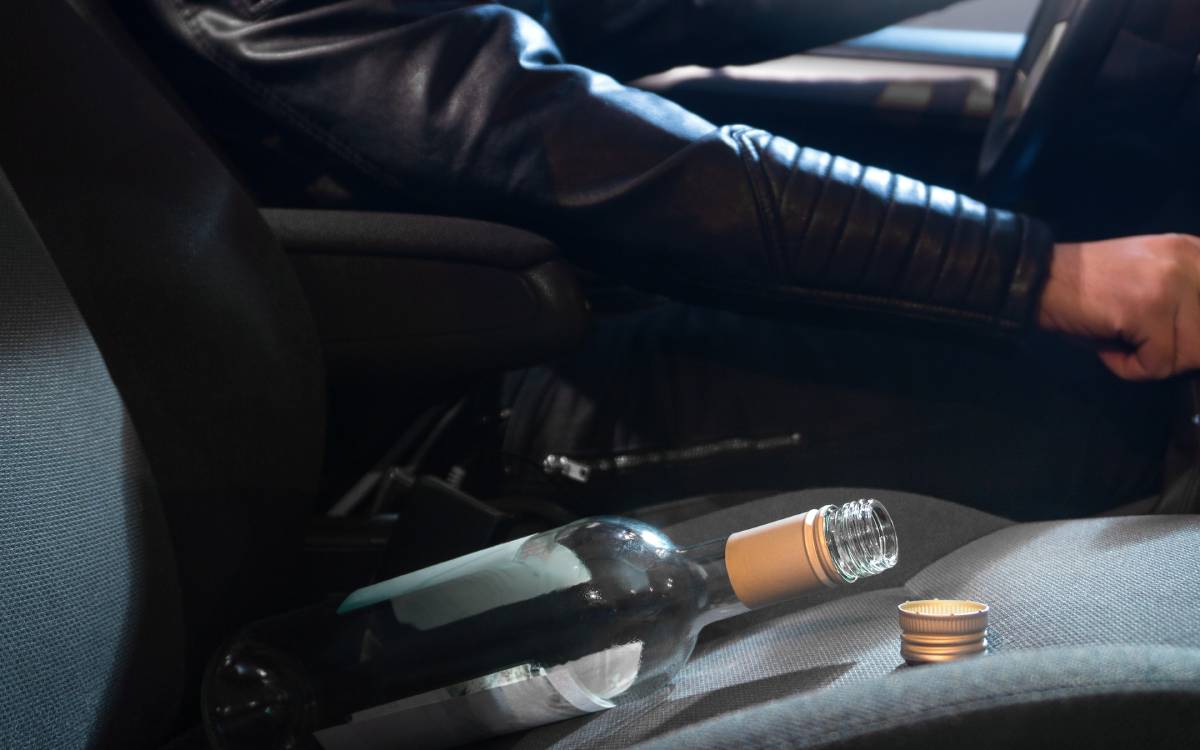
Under Texas Penal Code §49.031, it is illegal for a person to knowingly possess an open container of alcohol in the passenger area of a motor vehicle located on a public highway. An “open container” is defined as any bottle, can, or other container that contains alcohol and is open, has been opened, has a broken seal, or has some of the contents removed. This means that even if you are completely sober, having an open bottle of wine in the front seat or cup holder while driving on a public road can result in a citation.
The law applies whether the vehicle is moving or stopped, as long as it is on a public highway. That includes city streets, county roads, and interstate highways. However, Texas law does allow open containers in certain areas of the vehicle, which we’ll cover later.
Can Passengers Drink in the Car in Texas?
A common myth is that passengers can legally drink alcohol in a moving vehicle as long as the driver is sober. In Texas, this is not true. Texas is not a “passenger drinking” state. Both drivers and passengers are prohibited from possessing open containers in the passenger area of a vehicle on a public highway.
The “passenger area” includes front seats, back seats, and any area of the vehicle easily accessible by the driver or other passengers while they are sitting in the car. So, if your cousin cracks open a beer in the back seat on the drive home from the family reunion, that still violates Texas open container laws. Even if the driver has not had a single drink, law enforcement can issue a citation.
There are limited exceptions, such as vehicles designed primarily for living quarters (like RVs), but for standard cars, trucks, and SUVs, passengers cannot legally drink while the vehicle is on a public road.
How Are Daiquiris To-Go Legal in Texas?
If Texas open container laws are so strict, many people wonder how daiquiris to-go are legal. After all, it’s common to see frozen alcoholic drinks handed through a drive-thru window.
The answer lies in how the drinks are packaged and transported. Daiquiris or any other alcoholic to-go drinks are legal in Texas only if they are properly sealed. Typically, this means that the drink has a lid that is sealed with tape or shrink wrap. If there’s a straw hole in the lid, it has to be sealed, as well.
As long as the seal remains intact and the drink is not accessible for immediate consumption, it is not considered an open container under Texas law. Once that seal is broken, however, the drink becomes an open container. At that point, it must be stored in a legal location, such as the trunk, or not transported at all.
How to Legally Travel with an Open Container in Texas
Use the Trunk Whenever Possible
After a holiday gathering, you may find yourself with an open bottle of wine, champagne, or liquor. The good news is that Texas law does allow you to transport open containers if you do it the right way. The safest and simplest option is to place the open bottle in the trunk of your vehicle. The trunk is not considered part of the passenger area, so open containers stored there are legal.
If you drive an SUV, hatchback, or vehicle without a traditional trunk, place the alcohol in the locked glove compartment or in a locked container behind the last upright seat.
The key factor is accessibility. If the driver or passengers can easily reach the alcohol while seated, it may be considered a violation.
Keep It Sealed and Secured
If the bottle is not fully empty, make sure it is tightly closed. While resealing a wine bottle does not make it “closed” under the law, it does help prevent spills and reduces the chance of suspicion during a traffic stop.
Consider placing the bottle in a bag, box, or cooler. While this does not replace the need for proper storage, it adds an extra layer of caution.
Avoid the Passenger Area Entirely
When leaving a family function or a night out with friends, it’s easy to say, “We’re just going right down the road,” and throw a box of leftover wine in the backseat, but even that can get you in trouble. Even if you are only driving a short distance, do not place open alcohol on the front passenger seat, backseat, floorboard, or center console – you can and will be ticketed for an open container. Holidays often come with increased police presence. Avoiding any chance of misinterpretation can save you time, stress, and potential legal trouble.
What Are the Dangers of Drinking and Driving
How Alcohol Impairs Judgment and Reaction Time
Alcohol affects the brain in ways that make driving dangerous. It slows reaction times, reduces coordination, and impairs decision-making. Drivers may underestimate speed, overestimate their abilities, or fail to notice hazards.
During the holidays, roads are often busier, weather conditions can be unpredictable, and distractions are everywhere. Mixing alcohol with these factors significantly increases the risk of accidents.
The Legal Consequences of Impaired Driving
Beyond open container laws, drinking and driving carries serious legal risks. In Texas, driving while intoxicated (DWI) can result in heavy fines and court costs, increased insurance rates, arrest and jail time, and driver’s license suspension – but the ultimate risk of drinking while driving is taking the life of other drivers.
The Ripple Effect on Families and Communities
Drinking and driving does not just affect the person behind the wheel. Accidents can cause life-altering injuries or fatalities to passengers, other drivers, and pedestrians.
Families may face emotional trauma, financial hardship, and long-term consequences. During a season meant for togetherness and celebration, no number of fines in the world could equal the pain you’d bring to families for years to come if your poor choice to drink and drive and end the life of someone they love.
Final Thoughts: Traveling with an Open Container in Texas
Leaving a party or family dinner with leftover alcohol is common, but it’s important to understand how Texas open container laws apply. An open bottle of wine in the passenger area of your vehicle can lead to legal trouble, even if you are sober.
The good news is that Texas law allows open containers in the trunk or a locked area. So above all else, be smart and plan ahead. If you want to carry the leftovers of alcohol home, put it in an area that isn’t easily accessible while driving, and if you’ve had too much to drink, designate a sober driver or use rideshare services.
By staying informed and making smart choices, you can enjoy the holidays safely (and legally) while still bringing home that leftover bottle of wine for another celebration.
Frequently Asked Questions: Texas Open Container Laws & Traveling with Alcohol
What is considered an open container in Texas?
An open container is any alcoholic beverage container that has been opened, has a broken seal, or has had some contents removed. This includes bottles, cans, and cups containing alcohol.
Can you have an open container in your car in Texas?
Yes, but only if it is stored in a non-passenger area like the trunk. It is illegal to have an open container in the passenger area of a vehicle on a public highway.
How should I transport leftover alcohol?
The safest legal option is to place it in the trunk. If your vehicle doesn’t have a trunk, use a locked glove compartment or a secured area behind the last row of seats.
Are sealed to-go cocktails legal in Texas?
Yes. To-go alcoholic drinks are legal if they are properly sealed. Once the seal is broken, the drink becomes an open container and must be stored properly.
Can I keep alcohol in the front seat if I’m not drinking it?
No. Even unopened or partially consumed alcohol placed in the passenger area can be considered a violation if it meets the definition of an open container.