Author: Shelby Benavidez
Contributing Attorney: Michael Loh, partner
Table of contents
TL;DR: Key Takeaways for Truck Blind Spot Liability
- Semi trucks have large blind spots, often called “No Zones,” that can hide entire passenger vehicles.
- Blind spot accidents frequently happen because of negligence, such as distracted driving, fatigue, or inadequate training.
- Liability doesn’t always stop with the truck driver. Trucking companies, maintenance providers, cargo loaders, and manufacturers may also share responsibility.
- More than one party can be legally responsible in a truck accident, depending on what caused the crash.
- If you’ve been injured in a truck blind spot accident, an attorney can investigate the crash and help pursue compensation for your losses.
Most drivers know they shouldn’t linger next to a semi truck. You’ve probably even heard someone say, “If you can’t see the truck driver’s mirrors, they probably can’t see you.”
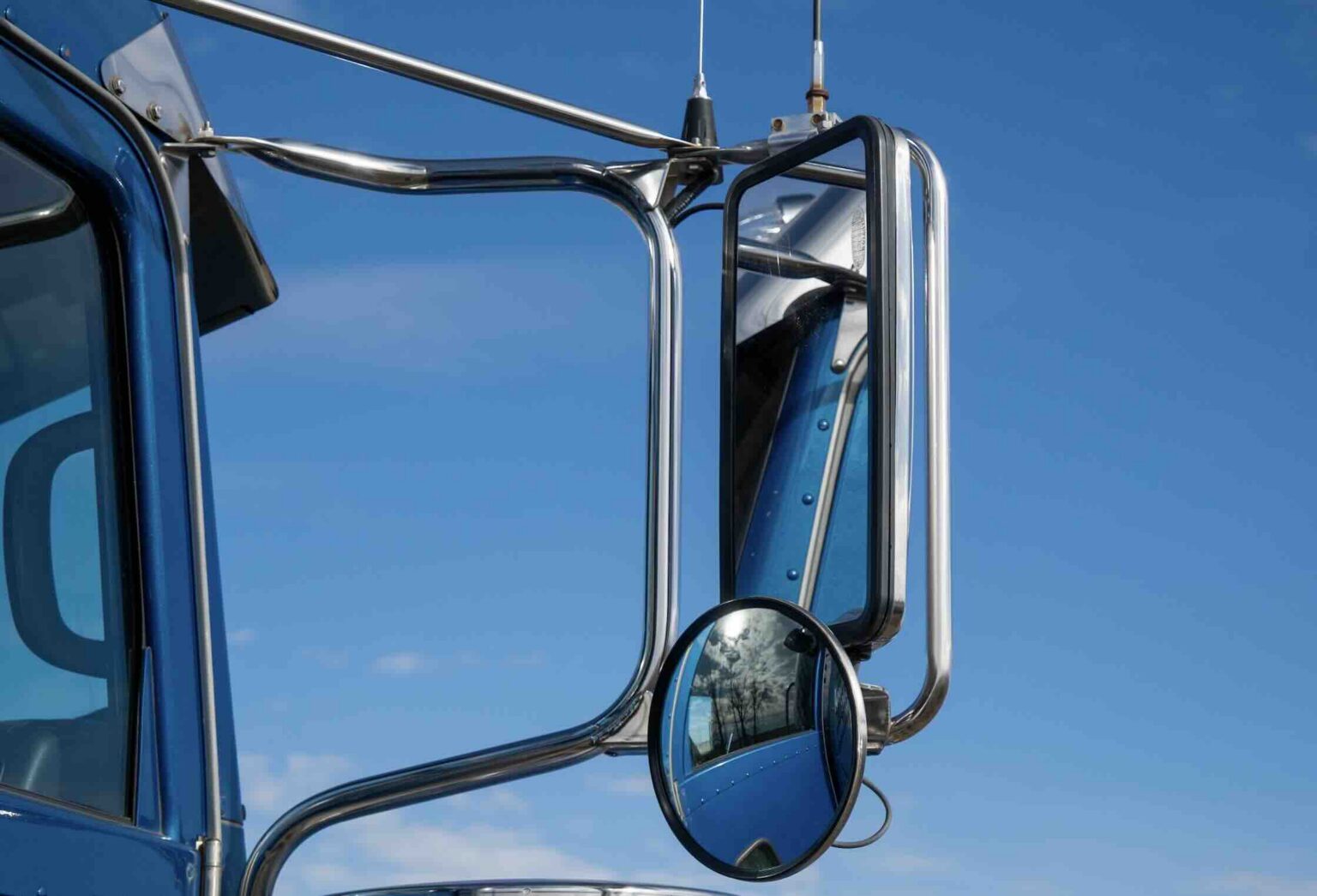
Commercial trucks have much larger blind spots than passenger vehicles, making it harder for drivers to see nearby cars, motorcycles, and even SUVs. But blind spots alone don’t cause crashes. Every professional truck driver should know their blind spots and be trained to account for them before changing lanes, turning, or merging into traffic.
So, what happens when they don’t?
A truck blind spot accident can leave victims facing serious injuries, expensive medical bills, and weeks (or even months) away from work. And in many cases, you can’t point fingers at the truck driver and call it a closed case. Depending on the circumstances, multiple people or companies may share responsibility for the accident.
Understanding how truck blind spots contribute to accidents and who may be held liable can help you decide what to do next after a crash. In this guide, we’ll explain where truck blind spots are, why these accidents happen, and who may be legally responsible if you’ve been injured.
Understanding Truck Blind Spots
Which Vehicles Have the Worst Blind Spots?
Every vehicle has blind spots, but the larger the vehicle, the more difficult it becomes for drivers to see everything around them. Tractor-trailers have some of the most extensive blind spots on the road. A fully loaded semi truck can stretch more than 70 feet in length, creating areas around the truck where entire vehicles can disappear from view.
These visibility limitations are one reason commercial drivers receive specialized training. They’re expected to carefully check mirrors, scan traffic, and allow enough time before changing lanes or making wide turns.
What Are Trucks’ Blind Spots Called?
Truck blind spots are commonly known as “No Zones.” The term was created as part of a nationwide safety campaign to educate both truck drivers and passenger vehicle drivers about the areas surrounding large commercial trucks where visibility is severely limited. While it’s always safest for motorists to avoid lingering in a truck’s No Zones, commercial drivers still have a legal duty to operate their vehicles safely.
Where Are the Blind Spots on a Truck?
Knowing where truck blind spots are can help drivers make safer decisions when sharing the road with large commercial vehicles. Although blind spot sizes vary depending on the truck and trailer, most semi trucks have four primary areas where visibility is significantly reduced: the front, back, and left and right sides.

Semi trucks have a front blind spot that can extend about 20 feet ahead of the cab. Because of the truck’s height, a passenger vehicle can disappear from the driver’s view if it merges back too quickly after passing. Giving a truck plenty of space before moving back into its lane helps ensure the driver has enough time to see and react to changing traffic conditions.
Most tractor-trailers don’t have rearview mirrors that provide visibility directly behind the trailer the way passenger vehicles do. Truck drivers have to rely on their side mirrors to see behind them, so if you’re following too closely, they probably can’t see you. Tailgating also reduces your ability to react if the truck brakes unexpectedly or experiences a tire blowout.
The driver’s side blind spot is smaller than the passenger side but still a potential risk for passing vehicles that remain on the side of the truck for too long.
The largest blind spot on a semi truck is located along the passenger side. This No Zone can stretch across multiple lanes and extends from the front of the cab nearly the entire length of the trailer. Because it’s so large, a truck driver may have difficulty seeing vehicles attempting to pass on the right.
Whenever possible, pass a semi truck on the left, do so at a consistent speed, and avoid driving beside the trailer longer than necessary.
How Negligence Leads to Truck Blind Spot Accidents
What Is the 7/3 Rule in Trucking?
One of the biggest risks facing commercial truck drivers is fatigue. Driving a truck requires constant attention, quick decision-making, and awareness of vehicles around the truck. A tired driver may be slower to notice a vehicle in their blind spot, misjudge distances, or fail to check mirrors before making a lane change.
To help reduce fatigue-related crashes, the Federal Motor Carrier Safety Administration (FMCSA) created Hours of Service rules that limit how long commercial drivers can operate their vehicles.
One option available to some truck drivers is the 7/3 split sleeper berth rule.
Under this rule, drivers using a sleeper berth can divide their required 10 hours off duty into two periods: at least seven consecutive hours spent in the sleeper berth and a separate period of at least three consecutive hours off duty or in the sleeper berth.
However, some truck drivers or trucking companies may violate hours-of-service rules to meet delivery deadlines or maximize profits. When drivers operate while fatigued, they may not have the focus necessary to safely monitor their surroundings, including the vehicles traveling through their semi truck blind spots.
Lack of Training and Experience Can Lead to Truck Accidents
Operating a commercial truck isn’t as simple as knowing how to steer a larger vehicle. Truck drivers need to understand how to safely navigate large blind spots, longer stopping distances, wide turns, heavy cargo loads, and highway merging.
Unfortunately, some trucking companies prioritize getting drivers behind the wheel quickly rather than providing thorough training. The trucking industry has historically experienced high turnover, largely because drivers didn’t receive proper training from their employers. When companies fail to properly trainnew drivers, they put inexperienced drivers on the road before they are prepared to handle the challenges of operating a large commercial vehicle.
Depending on the circumstances, a trucking company could potentially be held liable for negligent hiring, inadequate training, or failing to properly supervise its drivers. If a third-party training provider provided insufficient instruction, that company may also be investigated.
Distracted Driving Can Make Truck Blind Spots Even More Dangerous
A commercial truck driver is responsible for staying focused behind the wheel because they have to constantly monitor the traffic around them. Even a moment of distraction can prevent a driver from noticing a smaller vehicle trying to pass them.
For example, let’s say a truck driver checks their GPS while merging onto the highway. They weren’t actively scanning their mirrors, so when they move into the other lane, they hit the vehicle beside them. Because commercial trucks are significantly larger and heavier than passenger vehicles, the injuries of those involved are often catastrophic.
Who Is Responsible for a Truck Blind Spot Accident?
Responsibility in Commercial Truck Accidents
A truck driver may be found solely at fault for some accidents, but depending on the circumstances, other parties can also share responsibility. Potentially responsible parties may include the truck driver, the trucking company, and other third parties.
Truck drivers must operate their vehicles safely and follow state and federal trucking regulations. A driver may be responsible for a blind spot accident if they fail to check mirrors, drive while distracted or fatigued, violate hours-of-service rules, or make an unsafe lane change.
Trucking companies also have a responsibility to hire qualified drivers, provide proper training, maintain their vehicles, and follow safety regulations. A company may share liability if it fails to properly train drivers, encourages unsafe practices, or overlooks safety violations.
In some cases, responsibility may extend beyond the driver and trucking company. A cargo loading company could be liable if improperly secured cargo contributes to a crash, while a maintenance provider or manufacturer may share responsibility if defective equipment or poor maintenance played a role.
Because truck accidents often involve multiple contributing factors, determining fault typically requires a thorough investigation of the driver, vehicle, company practices, and other circumstances surrounding the crash.
Can More Than One Party Be Responsible in Truck Accidents?
As mentioned, more than one party can be responsible in truck accidents. Unlike some car crashes where fault may fall primarily on one driver, commercial truck accidents often involve multiple layers of responsibility.
For example, imagine a truck driver causes a blind spot collision after failing to check their mirrors. During an investigation, it’s discovered that the driver exceeded allowable driving hours and was fatigued because the trucking company encouraged drivers to complete deliveries faster.
In this situation, the driver and the trucking company would likely share fault.
Evidence that may help establish liability can include driver logs and electronic logging device (ELD) data, company policies, dash cam footage, black box data, truck maintenance records, accident reports, and witness statements. This evidence can help show whether the crash resulted from a driver’s mistake, company negligence, a mechanical failure, or a combination of factors.
Compensation for Blind Spot Truck Crash
A truck blind spot accident can be life-altering. Because commercial trucks are significantly larger and heavier than passenger vehicles, collisions involving semi trucks often result in severe injuries, including broken bones, traumatic brain injuries, spinal cord injuries, permanent disabilities, or even death.
If another party’s negligence caused the crash, an injured person may be able to pursue compensation for blind spot truck crash. The amount and type of compensation available depends on several factors, including who was responsible, the extent of the injuries, and what insurance coverage is available.
Unlike many passenger vehicle accidents, truck accident claims may involve large commercial insurance policies and multiple parties, such as the truck driver, trucking company, or other companies involved in the operation or maintenance of the vehicle. However, having significant insurance coverage does not automatically mean you will receive full value for your injuries. Determining liability and pursuing fair compensation often requires a detailed investigation into what caused the crash.
Compensation for a trucking accident may help cover losses such as medical expenses, lost income, property damage, and the physical and emotional impact of the accident.
Contact a Trusted Truck Accident Attorney
A truck blind spot accident can happen in just a few seconds, but the consequences may last for months or even years.
While it may seem obvious who caused the crash, the full story is often more complicated. Commercial trucking companies operate under extensive safety regulations, and several different parties may have played a role in creating the conditions that led to the accident.
The challenge is that important evidence can disappear quickly. Driver logs may be updated. Vehicles may be repaired or inspected. Company records may become more difficult to obtain. Witness memories can fade over time. So, it’s important to preserve that evidence as soon as possible.
An experienced truck accident attorney can help preserve evidence quickly, investigate the circumstances surrounding the crash, identify potentially responsible parties, and determine whether negligence contributed to your injuries.
If you or a loved one was injured in a truck blind spot accident, learn about our trucking wreck accident services.
Frequently Asked Questions About Truck Blind Spot Accidents
What Is the 7 3 Rule in Trucking?
The 7/3 rule in trucking refers to a split sleeper berth option that allows some commercial truck drivers to divide their required 10 hours off duty into two separate rest periods.
One period must include at least seven consecutive hours in the sleeper berth, while the other must include at least three consecutive hours off duty or in the sleeper berth.
Why Do Most People Quit Trucking?
Many truck drivers leave the industry because of poor training and unrealistic expectations. When trucking companies fail to properly train and support drivers, inexperienced drivers may be placed behind the wheel before they are prepared to safely operate large commercial vehicles.
What Is the Golden Rule About Semi Truck Blind Spots?
The common safety rule for semi truck blind spots is if you can’t see the truck driver’s mirrors, the truck driver likely can’t see you. This is why drivers are encouraged to avoid lingering in a truck’s blind spots, also known as No Zones.
Who Is Legally Responsible in a Truck Accident?
The person or company legally responsible in a truck accident depends on what caused the crash.
A truck driver may be responsible if they were distracted, fatigued, improperly trained, or failed to follow safety procedures. However, liability may also extend to other parties, including trucking companies, maintenance providers, cargo loaders, or manufacturers.
How Much Compensation Can You Receive After a Truck Blind Spot Accident?
The amount of compensation available after a truck blind spot accident depends on factors such as the severity of injuries, financial losses, and who was responsible for the crash.
You may be able to recover medical expenses, lost wages, property damage, pain and suffering, and other damages related to the accident.
An attorney can help determine what compensation may be available in your case.