Autor: Shelby Benavidez
Abogado colaborador: Chris Diamond, attorney
Table of contents
TL;DR: Key Takeaways About Road Medians
- Road medians are designed to reduce serious crashes by separating opposing traffic and limiting dangerous left turns.
- Studies show that raised medians can reduce crashes by approximately 15% and improve traffic flow on busy roads.
- Road medians also improve pedestrian safety by providing a safe place to stop while crossing multi-lane roads.
- Some drivers, business owners, and emergency responders have voiced concerns about longer travel times and access issues.
- While road medians can be frustrating, research suggests they ultimately make busy roads safer for everyone.
If you’ve noticed more road medians showing up along busy roads lately, you’re definitely not alone. Some drivers like the added structure they bring, while others feel like they’re just making everyday driving a little more complicated than it used to be.
A lot of the frustration comes down to convenience. Trips that used to be simple left turns can now require a longer route, more U-turns, and a bit more planning just to reach the same destination. Business owners and residents alike have also raised concerns about whether these changes could have a ripple effect on local traffic patterns and accessibility.
That leads to the bigger question: why are transportation agencies continuing to invest so heavily in road median projects? Are they actually improving safety, or just reshaping the way we move through familiar roads?
Let’s break it down and look at what road medians are meant to do, what the research says about their impact, and both the upsides and downsides for drivers, pedestrians, and local communities.
What Are Road Medians and Why Do They Exist
What Are Road Medians?
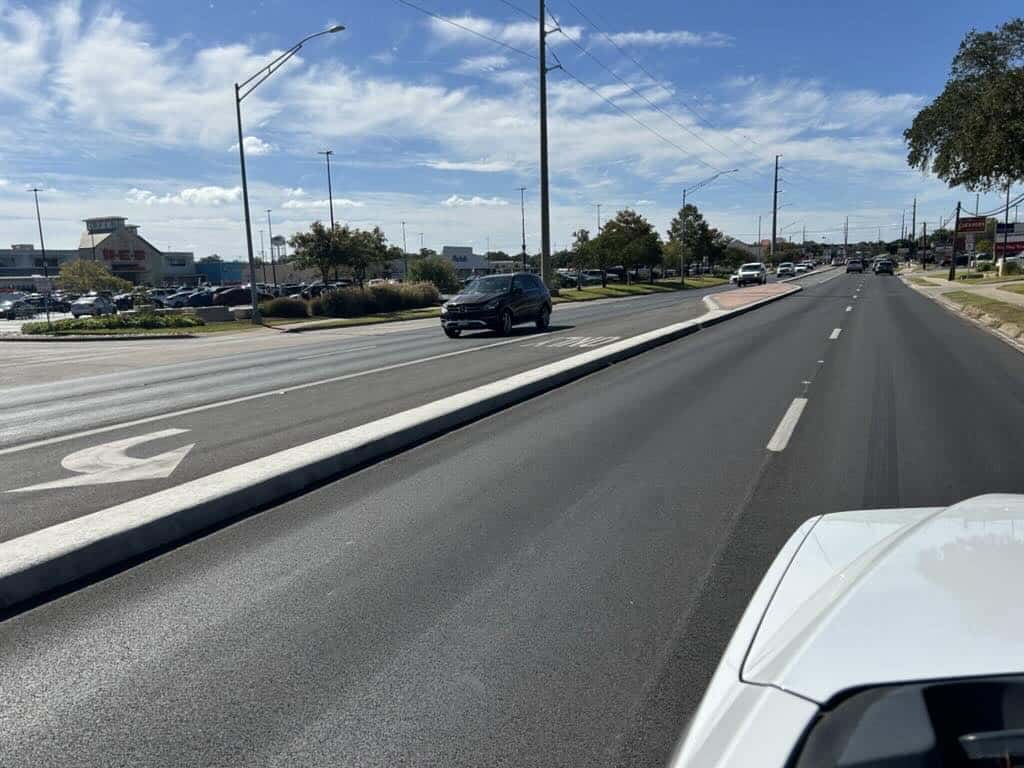
A road median is simply the space that separates traffic traveling in opposite directions. Depending on the road, medians can look very different. Some are raised concrete barriers, while others may be painted center turn lanes, landscaped islands, grassy areas, or even larger barrier walls.
The raised concrete medians you see on many busy roads today are designed to control where drivers can turn, cross traffic, or make U-turns. Although they may seem like a newer addition, transportation agencies have been using road medians for decades as a way to improve safety and reduce serious crashes on high-traffic roadways.
Why Do Road Medians Exist?
The main purpose of a road median is to prevent crashes. Busy roadways often have dozens of businesses, side streets, and driveways, and every time a driver attempts to turn left across several lanes of traffic, there is an opportunity for a serious collision.
Transportation engineers often refer to these busy access points as “conflict points.” The fewer conflict points a roadway has, the safer it generally becomes. Road medians reduce risk by preventing people from turning left across traffic, separating turning vehicles from through traffic, and organizing traffic patterns.
Do Road Medians Actually Make Roads Safer? Pros, Cons, and Statistics
Do Medians Actually Make Roads Safer?
So, do road medians actually make roads safer, or are they just another traffic headache? It’s a fair question. Nobody enjoys driving past their destination just to make a U-turn, and many drivers understandably wonder whether the extra hassle is really worth it. According to transportation researchers, though, the answer is generally yes.
Roads with raised medians tend to have fewer crashes than roads where drivers can freely turn left or cross multiple lanes of traffic wherever they choose. That’s because some of the most serious wrecks happen when drivers misjudge a gap in traffic while turning or crossing a busy roadway.
By limiting those crossing movements, road medians can help reduce dangerous crashes like T-bone accidents, head-on collisions, and left-turn crashes. These types of accidents often happen at higher speeds and can leave people with life-changing injuries.
Sure, a road median might add an extra minute or two to your drive. But if that inconvenience prevents a serious crash, many transportation officials believe it’s a worthwhile tradeoff.
Disadvantages of the Road Medians
Of course, not everyone is a fan of road medians.
For many drivers, the biggest frustration is simply convenience. Instead of making a quick left turn, you may have to drive farther down the road, make a U-turn, and then circle back to where you were trying to go in the first place. It might not sound like a big deal, but those extra turns can get old fast, especially if it’s part of your daily commute.
Business owners have also raised concerns about customer access. If drivers can’t easily pull into a business, some worry that people may decide to stop somewhere that’s easier to reach instead. While studies on the economic impact of road medians have found mixed results, concerns from local businesses are common whenever new median projects are announced.
Another concern involves emergency response times. Some residents worry that limiting where vehicles can cross a roadway could make it harder for emergency responders to navigate traffic quickly. Transportation agencies typically work with police, fire departments, and EMS during the planning process, but questions about emergency access often remain part of the conversation.
Road Median Statistics
When evaluating whether road medians are worth the inconvenience, the numbers are hard to ignore. Research from the Transportation Research Board found that roads with raised medians generally experience fewer crashes than roads without them.
According to the U.S. Department of Transportation, raised medians reduce car accidents by an average of 15% and 46% at pedestrian crossings. Despite the delays that people claim medians cause, traffic delays can actually decrease by more than 30% because turning traffic is separated from through traffic.
The Federal Highway Administration also reports that improved lighting associated with median projects can reduce nighttime pedestrian fatalities by as much as 78%. For communities experiencing rapid growth, these safety improvements can save lives.
Road Medians in Bryan/College Station
TxDOT’s Plan for Medians
Construction activity has significantly increased across Bryan/College Station in recent years as TxDOT continues to install raised medians along major roadways. While some residents remain skeptical, these projects are part of a much larger statewide safety initiative.
TxDOT reports that the last deathless day on Texas roadways occurred on November 7, 2000. Since then, more than 75,000 people have lost their lives in traffic crashes across Texas.
In response, TxDOT launched its “Drive Like a Texan: Kind. Courteous. Safe.” initiative and adopted long-term goals of reducing traffic fatalities by 50% by 2035 and eliminating roadway deaths by 2050.
Each year, TxDOT evaluates roadways across the state to identify areas where safety improvements are needed. In Bryan/College Station, these assessments identified several high-traffic corridors where unrestricted left turns and crossings created increased crash risks.
Why Are New Medians Being Added in Bryan/College Station?
Bryan/College Station continues to experience significant growth, bringing more vehicles onto roads that were originally designed for much lighter traffic volumes. As traffic increases, so does the potential for serious crashes.
Road median projects are intended to help the community safely manage that growth while reducing the number of severe collisions on some of the area’s busiest streets. Although adapting to new traffic patterns can be frustrating, transportation officials believe these changes will improve long-term safety for everyone using our roads.
Injured in a Crash? Contact a Car Accident Attorney
Even with safety improvements like road medians, serious car accidents still happen every day throughout Texas.
If you or someone you love has been injured in a crash caused by another driver’s negligence, you may be entitled to compensation for medical bills, lost wages, pain and suffering, and other damages.
En Abogados de lesiones personales de Daniel Stark, we know how overwhelming life can feel after a serious accident. Our team is committed to protecting injured Texans from being taken advantage of by insurance companies while helping them focus on healing and getting their lives back on track.
Our consultations are always free, and you don’t pay unless we win.
Final Thoughts: Road Safety and Medians
Road medians aren’t always popular, especially when they change the routes we’ve driven for years. They may add a few extra turns to your daily commute and create short-term frustrations while construction is underway.
However, decades of research suggest that raised medians improve traffic safety, reduce severe crashes, and make busy roads safer for drivers and pedestrians alike.
As Bryan/College Station continues to grow, roadway improvements like these will likely remain an important part of keeping our community safe.
Frequently Asked Questions About Medians
Do raised medians reduce car accidents?
Certain types of accidents, yes. Research shows that raised medians can reduce car accidents by approximately 15%.
Why is TxDOT installing more road medians?
TxDOT is installing more road medians as part of its statewide effort to reduce serious traffic crashes and improve roadway safety as Texas communities continue to grow.
Are road medians safer for pedestrians?
Yes. Road medians create a refuge area where pedestrians can safely stop while crossing wide, multi-lane roads, reducing the risk of pedestrian accidents.
What types of crashes do medians help prevent?
Medians help prevent head-on crashes and T-bone accidents. The divider helps keep vehicles crossing into oncoming traffic.
Do medians slow down emergency vehicles?
Some residents and emergency responders are concerned about delayed response times. Road engineers typically take emergency vehicles into account during the design phase, but it is possible for medians to slow down emergency vehicles in certain situations.