Author: Shelby Benavidez
Contributing Attorney: Sean Szlachtowski, attorney
If you live in Texas, you know that winter weather can be unpredictable. One day it feels like spring, and the next morning you’re scraping frost off the windshield. While our winters may not be as harsh as those in northern states, colder months still bring challenges, especially when it comes to keeping children warm and safe in the car.
Many parents instinctively reach for bulky jackets and puffy coats when temperatures drop. It makes sense. You want your child to be comfortable and protected from the cold. However, when it comes to car seats, what feels warm and cozy may not always be safe.
Car seats are designed to save lives, but only when used correctly. This article will walk you through the legal questions, safety concerns, and best practices for keeping your child warm in the car during winter without compromising car seat safety.
Understanding Jackets, Coats, and Car Seat Safety
Is It Illegal for a Baby to Wear a Jacket in the Car Seat?
One of the most common questions parents ask is whether it’s illegal for a baby to wear a jacket in a car seat. The short answer is: in most states, including Texas, there is no specific law that outright bans jackets in car seats. However, that doesn’t mean it’s recommended from a safety standpoint.
Car seat laws generally focus on proper use according to manufacturer instructions. Every car seat manufacturer clearly states that bulky clothing should not be worn under the harness. If you use a car seat in a way that goes against those instructions, you could be considered non-compliant with child passenger safety laws, even if the word “jacket” never appears in the statute.
Is It Safe to Wear a Coat in the Car?
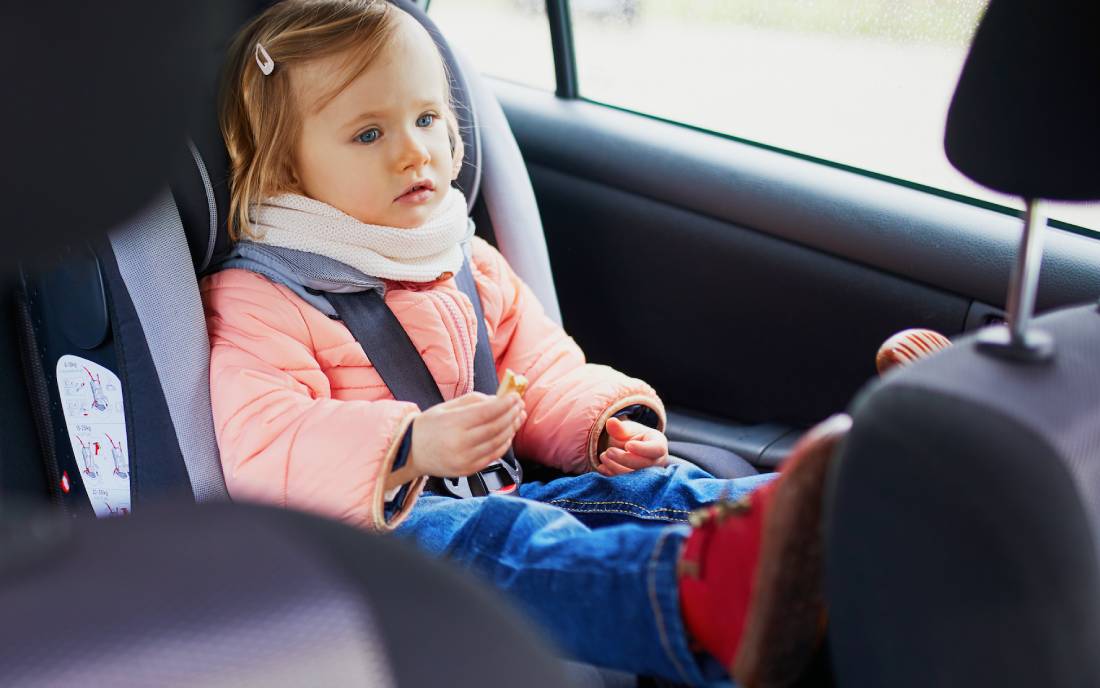
This is where the real concern lies. Bulky winter coats are not safe to wear in car seats, regardless of your child’s age.
The problem has to do with how car seat harnesses work. Harnesses are designed to sit snugly against a child’s body. In a crash, the harness must restrain the child immediately. Puffy coats and thick jackets compress under force, creating extra space between the harness and the child’s body. That extra space can be dangerous.
During a collision, a child wearing a thick coat may be thrown forward farther than intended. In some cases, the child can partially or completely slip out of the harness. Even if the child stays in the seat, the increased movement can lead to more severe injuries.
If you’re unsure whether your child’s jacket is too thick for the car seat, try these simple steps:
- Strap your child into the car seat while wearing their winter coat.
- Tighten the harness as you normally would.
- Take your child out without loosening the harness.
- Remove the coat and place your child back in the seat.
Most parents are shocked to see how loose the harness suddenly becomes.
Thin, snug-fitting layers are generally safe. Bulky coats, snow suits, and thick fleece jackets are not.
Can Kids Wear Coats in a High-Back Booster?
Believe it or not, winter coats are dangerous for any passenger – including adults. So, while booster seats operate differently from car seats with a five-point harness, jackets should still be avoided.
High-back booster seats, like any other seat, rely on the vehicle’s seat belt to properly position and restrain the child. For the seat belt to work effectively, it must lie flat against the child’s chest and hips. Thick coats can prevent the belt from sitting correctly.
When a child wears a bulky coat in a booster seat (or even an adult in the driver’s seat), the shoulder belt may ride too high or too far away from the chest, the lap belt may sit on the stomach instead of low on the hips, and the belt may not tighten properly during the crash, leading to an increased risk of abdomen, neck, and spinal injuries, and being ejected from the vehicle.
While older children may resist removing their coats, it’s still safest to take bulky outerwear off before buckling up. As with younger children, thin layers are a better choice inside the car.
How to Safely Keep Your Child Warm in the Car
Swaddles Over the Harness for Infants
Thankfully, keeping your child safe does not mean they have to be cold. There are several effective and car seat–safe ways to keep kids warm during winter travel. For babies and young infants, swaddling over the harness is one of the safest options.
First, secure your baby in the car seat wearing normal indoor clothing, such as a long-sleeve onesie and pants. Make sure the harness is properly tightened and positioned. Once your baby is buckled correctly, you can place a swaddle blanket over the top of the harness to keep your baby warm without interfering with how the harness restrains them.
It’s important to avoid products that go behind the baby or between the baby and the harness unless they are explicitly approved by the car seat manufacturer. Stick with simple blankets that can be easily removed once the car warms up.
Blankets
Blankets are one of the easiest and most versatile ways to keep children warm in the car. After your child is safely buckled in, place a blanket over their legs and torso. You can even tuck it around the sides for extra warmth! Once the car heats up, simply remove or loosen the blanket.
Remember, for infants and younger children, light, breathable blankets are usually a safer option to avoid suffocation. Older kids may prefer thicker blankets during especially cold mornings.
Warm Up the Car Before Loading the Kids
It seems like a simple solution – because it is! When possible, turn the car on and crank up the heat a few minutes before loading your children. This eliminates the need for bulky jackets in the car. Walking out of the house and into a warm car won’t always require additional warmth, but wrap a blanket around your child, if necessary, for the walk to the car, then remove it once they are ready to be buckled.
If you use this method, remember to never leave your car running unattended with keys in the ignition, never heat your car in an enclosed space, such as the garage, and never leave children unattended in a running vehicle.
Other Dos and Don’ts for Car Seat Safety This Winter
Winter brings unique challenges, but a few simple guidelines can help keep your child safe all season long.
Do:
- Use thin, warm layers like thermal shirts, sweaters, and fleece
- Check harness tightness every trip
- Remove bulky clothing before buckling
- Follow your car seat manufacturer’s instructions
- Replace car seats involved in moderate or severe crashes, even in winter conditions
Don’t:
- Use thick coats, snow suits, or buntings under the harness
- Add aftermarket padding or inserts not approved by the manufacturer
- Place blankets behind your child or under the harness
- Assume short trips are safer – most crashes happen close to home
- Forget to re-tighten harnesses after removing layers
Also, remember that winter accessories like hats and mittens are fine, as long as they don’t interfere with harness placement or block the child’s face.
Key Takeaways: Keeping Your Child Safe in Their Car Seat this Winter
Winter weather in Texas may be unpredictable, but car seat safety should never be. As temperatures drop, it’s natural to worry about keeping your child warm in the car. However, bulky jackets and coats can create serious safety risks when used in car seats and booster seats.
The good news is that you don’t have to choose between warmth and safety. By using thin layers, blankets, swaddles over the harness, and warming up the car when possible, you can keep your child comfortable without compromising protection.
Car seats save lives when used correctly. Taking a few extra moments to remove a coat or adjust layers can make all the difference in an emergency. As winter approaches, now is the perfect time to review your car seat practices and make sure your child is riding as safely as possible.