Author: Shelby Benavidez
Contributing Attorney: John Sydow, attorney
Table of contents
- TL;DR: What Should Your Family Save after Fatal Accident Investigation?
- What Happens After Someone Dies in a Car Accident? Fatal Car Accident Investigation Procedure
- Evidence Families Should Preserve After a Fatal Accident
- How a Wrongful Death Attorney Can Help After a Fatal Car Accident
- Car Accident Fatality Frequently Asked Questions
TL;DR: What Should Your Family Save after Fatal Accident Investigation?
- Don’t rush to get rid of your loved one’s vehicle or items inside it, as these could help tell the story of how the accident happened.
- Keep your loved one’s phone and other devices as they are. Don’t delete messages, reset the phone, or close accounts until you know whether the information may be needed.
- Save every photo and video you receive in relation to the accident. That includes pictures from witnesses, family members, or the tow yard of the crash scene and vehicle.
- Write down information while it’s easy to find. Keep the investigating officer’s name, report number, witness information, tow yard location, and insurance information together.
- Don’t assume the police have all the evidence. Nearby cameras, dashcams, vehicle data, phone records, and other evidence may exist outside the official investigation.
When someone you love dies in a car accident, gathering evidence is probably the last thing on your mind. But in the days and weeks that follow, you may start to have questions. What exactly happened? Was the other driver speeding? Were they drunk or distracted? While your family is searching for answers, the insurance company may already be conducting its own fatal accident investigation and deciding what it believes happened.
That’s why preserving evidence early can be so important. You don’t need to become an investigator. You don’t need to know what every piece of evidence means, either. But knowing what not to delete, throw away, repair, or overlook can protect valuable information that will help your family’s wrongful death claim.
What Happens After Someone Dies in a Car Accident? Fatal Car Accident Investigation Procedure
Fatal Accident Investigation
After a car accident fatality, there isn’t one person gathering every possible piece of information and putting it into a folder for your family. Different people and agencies are investigating different aspects of crash and fatality.
Police may investigate the crash itself. A medical examiner or justice of the peace may investigate the death. The vehicles are then taken to a tow yard, while insurance companies begin their own investigations into who (or what) caused the crash.
Retrieving Personal Effects from the Police Department Investigating the Crash
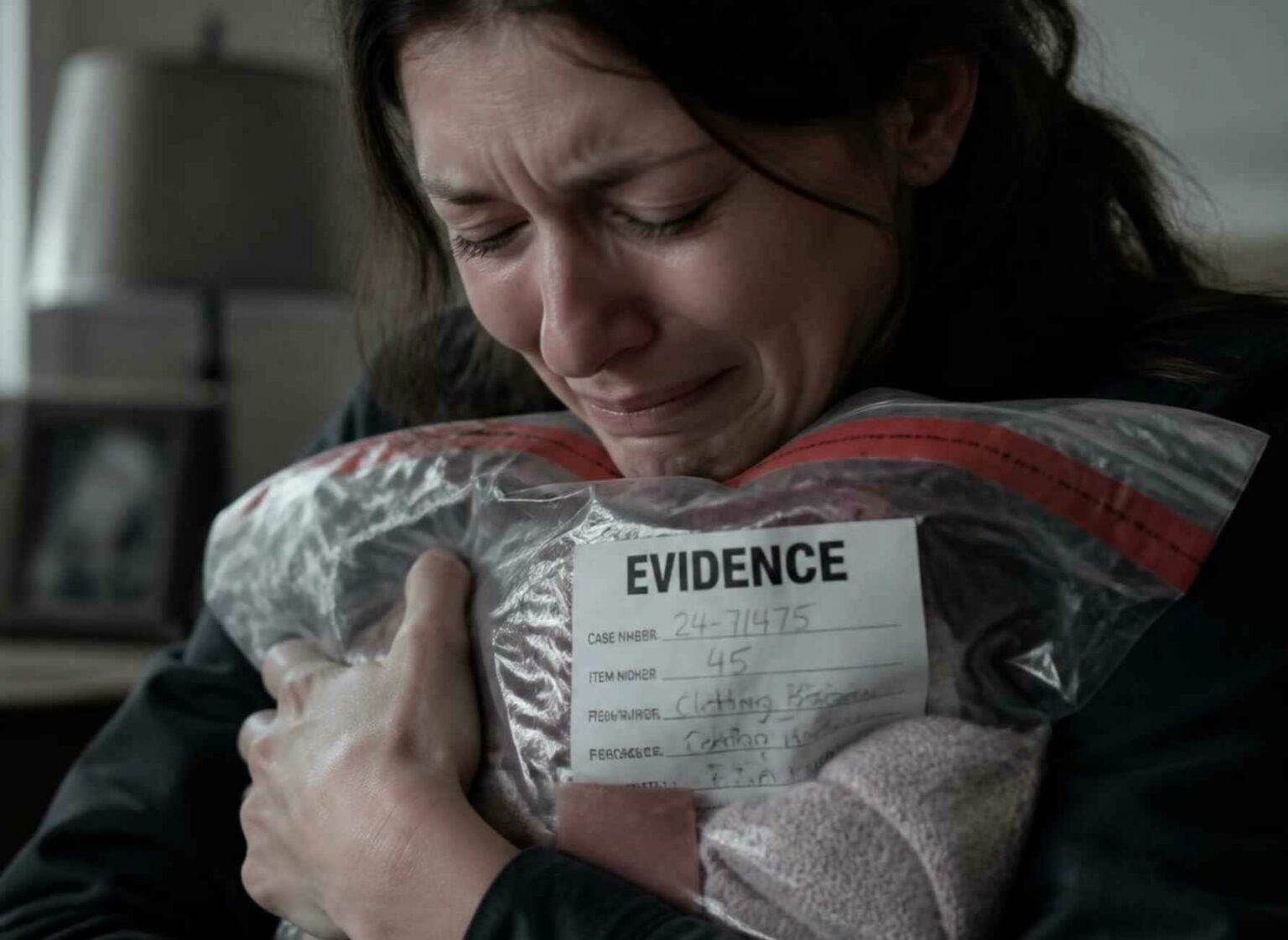
The law enforcement agency investigating your loved one’s crash may have more than just the police report. Officers may have collected personal belongings from the scene, such as a phone, wallet, keys, clothing, or other items that belonged to your family member.
When you contact the investigating agency, ask how you can request a copy of the crash report and whether they are holding any of your loved one’s belongings. Some of your loved one’s belongings may need to stay with the police while they investigate the crash. Ask which items you can pick up now and how to get the rest back when they’re released.
Find Out Where Your Loved One’s Vehicle Was Taken
After fatal auto accidents, the vehicle of the deceased may be towed from the crash scene. The investigating police department should be able to tell you which towing company removed the vehicle and where it is being stored.
Once you have that information, contact the yard to figure out what you need to do to retrieve your loved one’s belongings. You’ll likely have to provide identification or paperwork showing that you have permission to access the property. It’s also important to ask about storage fees. These costs can increase each day the vehicle remains at the tow yard, so find out what is owed and what needs to happen to move the vehicle.
The tow yard or insurance company may ask what you want to do with the vehicle. Before agreeing to repairs or allowing it to be salvaged or destroyed, consult with your wrongful death attorney. They may need the black box data or other physical evidence from the vehicle to build your claim.
Evidence Families Should Preserve After a Fatal Accident
Share Witness Information with Your Fatal Car Accident Lawyer
You may not have been at the crash site, but someone who witnessed it may reach out to your family or be listed on the police report. Share their contact information with your attorney as soon as possible. Your attorney can reach out for a statement while the details of what the witness saw are still fresh in their mind.
Keep Their Phone, Messages, Photos, and Digital Accounts
As you’re sorting through your loved one’s personal matters, avoid canceling their phone service, closing accounts, or resetting devices while the fatal accident investigation is ongoing. Their phone, smartwatch, or other devices could have texts, calls, photos, location history, or other informationfrom moments before the crash.
It may seem irrelevant, but if the other driver denies liability, this evidence can help protect your claim. You don’t need to search through their devices on your own; just don’t delete or reset anything before you know whether it could be useful to your wrongful death claim.
Save the Original Photos and Videos
Save any photos or videos related to the crash, including pictures of the crash scene, vehicle damage, debris, road conditions, injuries, and your loved one’s belongings. If a witness or someone else sends you photos or videos, save those too. Whenever possible, keep the original files rather than screenshots or copies downloaded from social media.
Tell Your Attorney About Nearby Surveillance Cameras
If you know there were surveillance cameras near the crash, let your fatal car accident lawyer know as soon as possible. Nearby businesses, homes, traffic cameras, or other properties may have captured the accident or the moments leading up to it. Surveillance footage may be overwritten in as little as 7 days, so your attorney can work to locate and preserve available video before it is deleted or recorded over.
Keep Any Documents Related to the Car Accident Fatality
Any documentation you receive related to the fatal accident is worth keeping. This could include police reports, medical records and bills, funeral expenses, tow yard paperwork, insurance letters, or documents from your loved one’s employer. Even if you don’t think it will be important to your claim, keep everything in a single folder, store it somewhere safe, and let your attorney help determine what may be useful later.
How a Wrongful Death Attorney Can Help After a Fatal Car Accident
Trying to manage an investigation while grieving someone you love is a lot of weight to carry. A wrongful death attorney can take some of that responsibility off your shoulders.
A skilled fatal car accident lawyer knows where to look for evidence, how to preserve it, and how to use the evidence to share your loved one’s unique story. They can take the lead on the fatal accident investigation and handle the records, negotiations, and legal aspects that come with it.
While your attorney focuses on building the case, you can lean on your family. You can spend your energy supporting each other, grieving your loved one, and finding your way forward together.
If your family lost someone in a fatal car accident, learn more about our wrongful death attorney services and help your family understand what comes next.
Car Accident Fatality Frequently Asked Questions
What Age Group Speeds the Most?
According to data from the National Safety Council, young male drivers, ages 15-24, are the most likely to be speeding at the time of a fatal car accident.
What Is the Deadliest State to Drive In?
Mississippi has historically had one of the highest motor vehicle fatality rates per capita in the country. Larger states, including Texas and California, may have higher total numbers of traffic deaths simply because more people live and drive there.
When comparing how dangerous it is to drive in different states, fatalities per 100 million vehicle miles traveled can provide more context than looking at the total number of deaths alone.
What Are the Typical Steps in a Fatal Accident Investigation?
Generally, investigators will secure and document the crash scene by taking pictures of the vehicles, debris, victims, and surrounding areas. They will also identify drivers, passengers, and witnesses to begin gathering statements and locating any available video footage.
From there, investigators may examine vehicle damage and other physical evidence to better understand how the collision happened. They may also review relevant medical or toxicology information to determine whether factors like alcohol or drugs played a role. Once the available evidence is collected, investigators can begin piecing those details together to determine how the crash most likely occurred and what may have contributed to it.
What Are the Five Categories of Investigated Death?
The five manners of death are:
- Natural
- Accident
- Suicide
- Homicide
- Undetermined
The manner of death is different from the cause of death.
For example, after a fatal car accident, the cause of death might be the specific injuries the person suffered in the crash, while the manner of death may be classified as an accident.