Author: Shelby Benavidez
Contributing Attorney: Tadarious Hawkins, Attorney
Table of contents
TL;DR: Key Takeaways About Radar Detectors
- Radar detectors are legal in most U.S. states, including Texas, but they are banned in Virginia, Washington, D.C., on military bases, and in commercial vehicles over 10,000 pounds.
- Radar detectors work by scanning for police radar signals on the X, K, and Ka bands, but they do not block or jam police radar.
- False alerts are common because radar detectors can also pick up signals from automatic doors, traffic sensors, and newer vehicle safety systems.
- Even high-end radar detectors are not foolproof. Instant-on radar and LIDAR can reduce or eliminate warning time before police clock your speed.
- A radar detector may help drivers stay more aware of their speed and surroundings, but it is not a substitute for safe, responsible driving.
Radar detectors have long been popular among drivers aiming to stay informed about police radar activity, especially in states where radar detectors are legal. Typically, these are assumed to help people avoid speeding tickets, which sounds like it should be illegal. However, radar detectors are legal in most of the United States with a few exceptions. As technology evolves and enforcement strategies become more sophisticated, understanding how radar detectors function and where their use is legal is more important than ever.
In this article, we explore the fundamentals of radar detectors, how they work, and their legal status. We’ll also discuss their practical advantages and look toward how they may evolve alongside changes in vehicle and traffic technologies.
Radar Detector Technology
How Do Radar Detectors Work?
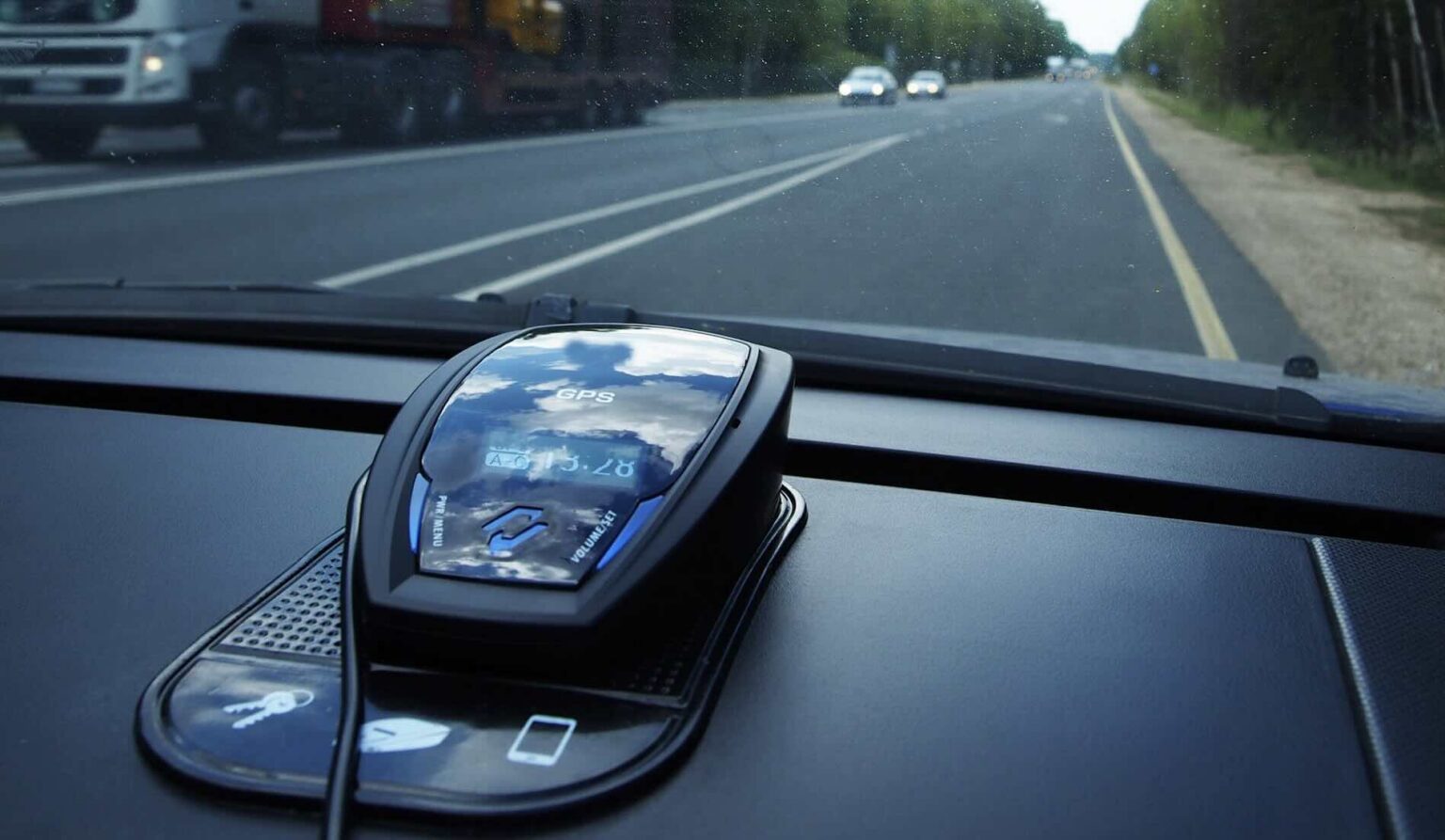
Radar detectors are electronic devices usually fastened to the windshield or dashboard that alert drivers if their vehicle is being clocked by a radar gun, a device commonly used by police officers to catch speeding vehicles. These detectors scan for radio frequencies – primarily in the X, K, and Ka bands –and notify the driver if these signals are detected, giving them an opportunity to slow down before the officer clocks their speed. It’s important to note that radar detectors only detect radar signals; they do not interfere with or block them.
Radar Detector Triggers
Radar detectors don’t just go off when there’s a police radar nearby. Like all radio transmission devices, they can pick up signals from other sources, just like a baby monitor sometimes picks up your neighbor’s monitor. Things like automatic doors at stores, newer cars with smart features, speed signs, and traffic sensors can all send out signals that trigger your radar detector. Newer models have filters to help block out these false alerts, but it’s still normal to get the occasional false alarm. So, if you pull into a shopping center and your radar detector lights up like a Christmas tree, it’s typically not because the entire police force is coming after you. More likely than not, it’s picking up other traffic.
Are Radar Detector Accurate?
The accuracy of a radar detector typically depends on the brand, how it’s built, and the software it uses. High-quality detectors from trusted brands like Escort, Valentine One, and Uniden usually pick up signals within a larger radius and do a better job of avoiding false alerts. Some models even use GPS and arrows to show where the signal is coming from. On the other hand, cheaper models may miss real threats or be more prone to picking up other traffic, resulting in a false alarm. No matter how much you spend on a quality radar detector, though, there’s no guarantee that it will catch every signal. Things like hills, heavy traffic, or bad weather can block radar signals.
Law Enforcement and Legality
Can Police Hide from Radar Detectors?
As mentioned above, radar detectors can be useful, but they don’t catch everything. Police officers sometimes use tricks to avoid being detected. For example, they might use “instant-on” radar, which activates only when a vehicle is within range, giving you almost no warning time. They can also use a laser called LIDAR (light detection and ranging) that is so focused, your detector might not pick it up until it’s too late. Not to mention, if you live in a state where radar detectors are illegal, police officers have tools called radar detector detectors (RDD) to find out if you’re using one.
Where Are Radar Detectors Illegal?
People can legally use a radar detector in their personal vehicles in most states. However, there are a few exceptions. In Virginia, Washington, D.C., and on military bases, radar detectors are completely banned in all vehicles. If you’re caught with one, you may face fines or tickets, even if the detector is turned off. Federal law also bans radar detectors in commercial vehicles over 10,000 pounds across the entire country.
Even in states where radar detectors are allowed, it’s still important to check local regulations. Some places have laws about where you can mount the device, banning anything that blocks your windshield view. Ignoring these rules could still get you pulled over or fined.
Can Police Confiscate Radar Detectors?
In places where radar detectors are illegal, police are allowed to take the device if they find it in your car. For commercial vehicles, radar detectors are banned under federal law and using one can also lead to the device being seized. But in states where radar detectors are legal for personal vehicles, police generally can’t take them unless you’re using the device while doing something illegal. That’s why it’s important to know both state and federal laws to make sure you’re following the rules wherever you drive.
Radar Detectors in Texas: Legal Rights, Benefits, and Personal Injury Claims
Is It Legal to Use a Radar Detector in Texas?
In Texas, it’s completely legal to use a radar detector in your personal vehicle. There are no state laws against them, as long as the device doesn’t block your view while driving. However, commercial drivers still have to follow federal rules, which ban radar detectors in larger trucks and commercial vehicles.
Even though radar detectors are legal, they don’t stop you from getting a speeding ticket. Think of them as a warning tool, not a “get out of jail free” card. If a police officer already clocked your speed before your detector went off and you slowed down, it’s too late – you can still be pulled over and ticketed. To completely avoid getting a ticket, drive responsibly and don’t rely on the detector to keep you out of trouble.
Benefits of a Radar Detector
While a radar detector can alert you to speed checks and may help you avoid a ticket, its most valuable role is helping you stay alert and aware of your surroundings. For people who drive long distances or spend a lot of time on the road, speeding can become an unintentional matter of habit or muscle memory. Having a constant reminder to check your speed and stay focused can actually promote safer driving. By encouraging better awareness, radar detectors may help reduce the risk of accidents, injuries, and other road hazards.
How a Radar Detector Can Affect a Personal Injury Claim
While having a radar detector doesn’t make you responsible for a car crash, it can still raise questions during a personal injury claim. Legally, the presence of a radar detector in your car does not prove fault, unless it directly contributed to the accident, such as blocking your line of sight or distracting you while driving. However, insurance companies may still try to use it against you.
“Of course an insurance company would try and use that against you,” Tadarious Hawkins, Daniel Stark attorney, said. “Even if they are unable to use it to get liability against you, they can get a jury to think about the fact that you have a radar and the reason why people have them.”
In other words, even if the radar detector played no role in the crash, an insurer could suggest to a jury that owning one means you’re a habitual speeder, or at least not someone who always follows traffic laws. This could potentially hurt your credibility and affect the outcome of your case.
For that reason, if you were injured in an accident that wasn’t your fault and the insurance company is trying to paint you as a reckless driver just because you had a radar detector, it’s important to hire a qualified car accident attorney. A skilled lawyer can push back against that narrative and make it clear that the radar detector had nothing to do with the crash, and that it doesn’t change who was really at fault.
Radar detectors continue to be a legal and useful tool for drivers in most U.S. states, including Texas. While they do not guarantee immunity from speeding tickets, they offer real-time awareness that can help prevent infractions and promote safer driving habits. Understanding how they work, knowing where they’re legal, and using them responsibly can help you get the most benefit from these devices without running afoul of the law. Whether you’re constantly on the road or just want an extra layer of information while driving, a high-quality radar detector can be a valuable companion.
Frequently Asked Questions About Radar Detectors
Do radar detectors actually work?
Yes, quality radar detectors can detect many police radar signals before you reach the officer’s location. However, their effectiveness depends on the model, terrain, weather, traffic conditions, and the type of speed enforcement being used.
Why does my radar detector go off near stores or traffic lights?
Radar detectors can pick up non-police signals from automatic doors, traffic monitoring systems, and advanced driver-assistance features in newer vehicles. These are commonly called false alerts.
Can police detect radar detectors?
In places where radar detectors are illegal, some law enforcement agencies use radar detector detectors (RDDs) to identify vehicles using them.
What is the difference between radar and LIDAR?
Radar uses radio waves to measure speed across a broader area, while LIDAR uses a focused laser beam to target a specific vehicle. Because LIDAR is so precise, radar detectors may not alert drivers until the officer has already measured their speed.
Are radar jammers legal?
Radar jammers and laser jammers are different from radar detectors. Federal law prohibits radar jammers in the United States, and some states also ban laser jammers.