
Author: Shelby Benavidez
Contributing Attorney: Ashley Carpenter, attorney
It could be a normal day – taking your morning jog, walking your dog, or just stepping outside to grab the mail. Then, out of nowhere, a dog lunges and bites you. The shock sets in before the pain does. You’re frightened, bleeding, and unsure what to do next.
Dog attacks can happen suddenly and leave victims feeling helpless. Beyond the physical injuries, there’s often confusion, fear, and frustration. Many people don’t realize that they have options for medical care and legal action.
This guide will walk you through everything you need to know after a dog bite, from understanding bite severity to taking the right steps to protect yourself and your rights.
Dunbar Dog Bite Scale: Measuring Levels of Dog Bites
Dog bites can range from minor scratches to irreparable muscle damage, or even death – every case is unique. This is why medical professionals turn to the six levels outlined by the Dunbar Dog Bite Scale to consistently measure the severity of a dog bite.
Level 1 – Aggressive Behavior Without Contact
A level 1 dog bite isn’t really a bite at all – the dog growls, snaps, or lunges but doesn’t physically attack you. While there’s no injury, the behavior is a warning that the dog is aggressive or feeling threatened, and you should try to walk away from it.
Level 2 – Teeth Contact, No Skin Puncture
At this level, the dog’s teeth may touch or slightly indent the skin, but don’t puncture it. Even at a level 2, while the dog may not have broken skin, the bite can still leave bruising or muscle damage.
Level 3 – Shallow Punctures
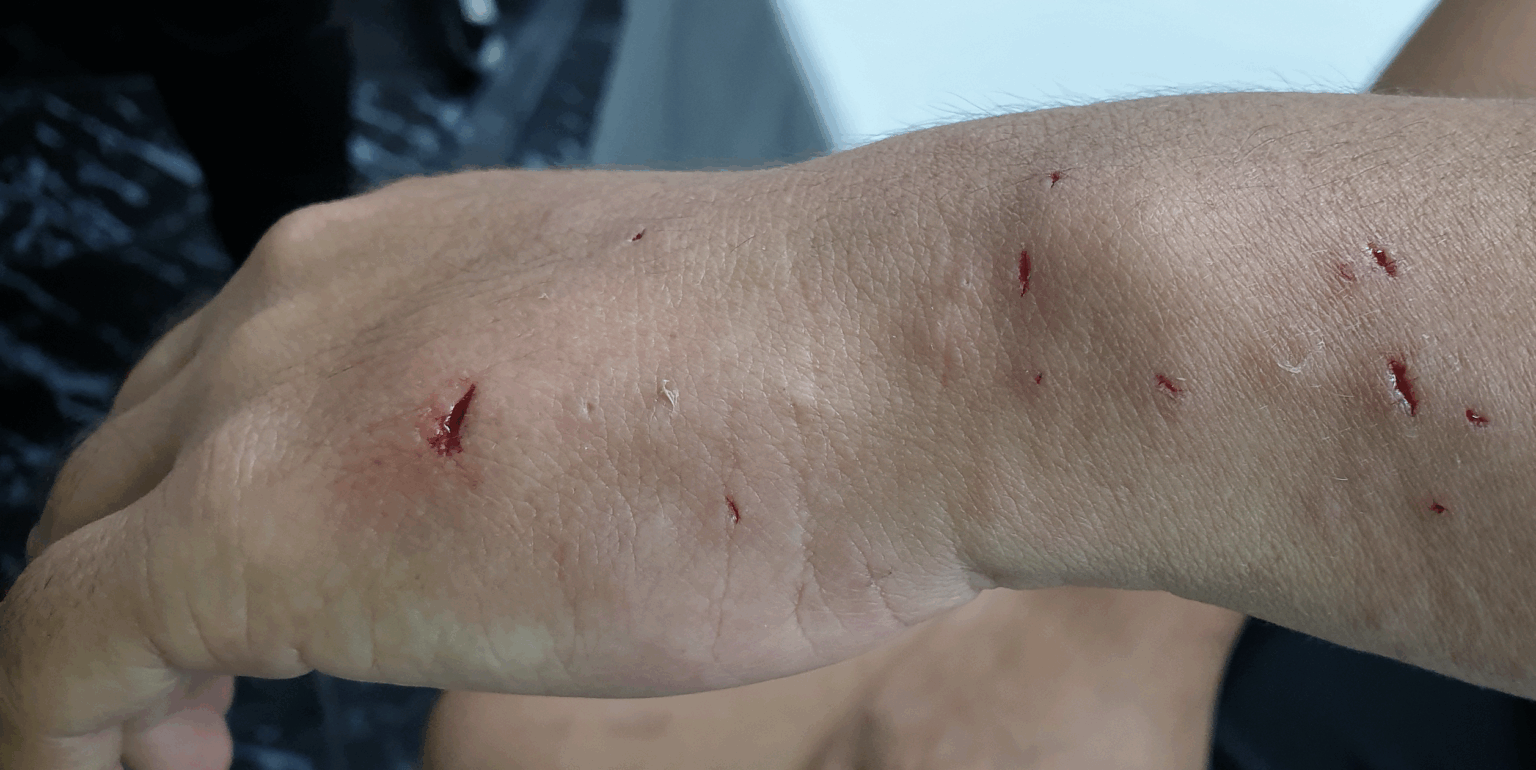
This level involves breaking the skin with at least one tooth (but up to four) from a single bite. A bite at this level may require medical attention for stitches or to prevent infection.
Level 4 – Deep Punctures and Tearing
A Level 4 bite can lead to deep puncture wounds and tearing of the skin. At this point, the dog is likely considered aggressive and dangerous, and the victim should seek emergency medical attention.
Level 5 – Multiple Bites with Deep Wounds
When a dog attacks a victim with a level 5 bite, this means that the dog has made multiple bites and caused serious injury. At this stage, the dog would be considered highly dangerous, and animal control is typically notified.
Level 6 – Fatal Attack
This is the most severe type of bite, and the attack resulted in death. Thankfully, level 6 bites aren’t as common as others, but they are devastating when they occur.
Understanding which level applies to your situation can help medical professionals, animal control, and legal teams assess the severity of the attack and determine the appropriate response.
Steps to Take After a Dog Bite
Regardless of the level of bite, it shouldn’t be taken lightly. Even when you believe the dog wasn’t trying to hurt you, or if it doesn’t seem that serious, a small wound can quickly lead to infection or complications. Taking the right steps immediately after a bite is crucial for both your health and any potential legal action.
1. Get to Safety
The first and most important step is to put space between yourself and the dog to make sure it can’t attack again. If you can safely identify the dog and its owner, try to do so, but don’t put your safety at risk.
2. Assess the Injury
After you have moved yourself to a secure location, check your injuries and the severity of your wounds. If you are bleeding, apply pressure with a clean cloth. Deep bites, multiple puncture wounds, and skin tears should all be treated as medical emergencies. Call 911 or go to the nearest emergency room as quickly as possible.
3. Clean the Wound
If your injuries appear to be minor, you can wash the area gently with soap and warm water – aim for at least five minutes. Apply an antibiotic ointment and cover it with a sterile bandage. However, it’s important to remember that even minor bites should be checked by a healthcare provider.
4. Seek Medical Attention
Lots of things can go wrong after a dog bite. What seems like a minor puncture wound can actually lead to infections or underlying medical conditions that may not be obvious. For instance, dog bites can transmitbacteria such as Pasteurella, Staphylococcus, or even rabies. A doctor can determine if you need a tetanus shot, rabies vaccination, or prescription antibiotics and develop the appropriate treatment plan you need.
5. Report the Incident
Any dog attack should be reported to animal control or the police to file an official report. This documentation will be critical if you pursue a claim later. Provide as many details as you can, including the dog’s breed, the owner’s name if you have it, the location of the attack and where the dog resides, and the time of the incident.
6. Gather Evidence
Gathering as much evidence as you can as quickly as you can after a dog bite is the key to a successful lawsuit. Dogs may run away after the attack, the owner may not have been present, and you may not have a lot to go on after leaving the scene. However, if your injuries are serious, prioritize your health. If you called 911, authorities may be able to help gather necessary evidence for you.
If you can gather evidence, take as many pictures as possible – clear photos of your injuries, the location where the attack happened, and the dog (if you can do so safely). You may be able to record a short video of where you were standing and how the attack took place. If the owner was present, or if there were witnesses, get their names and contact information. Keep copies of all medical bills, reports, and communication with the dog’s owner or insurance companies.
7. Consult a Dog Bite Attorney
If your injuries are serious or the dog owner refuses to take responsibility, you may need an attorney to help you. A personal injury lawyer experienced in dog bite cases can guide you through your options, deal with insurance companies, and fight for full value on your behalf.
Dog Bite Lawsuits in Texas
Filing a Dog Bite Lawsuit in Texas
If you were injured by a dog attack, you can sue the owner for damages. Many people don’t realize that in many cases, the dog owner’s homeowner’s insurance may cover your medical expenses, lost wages, and pain and suffering. You don’t have to face the financial burden of recovery alone. There are legal options available.
Texas follows the “one bite rule,” which doesn’t mean that all dogs get one free bite, but, in most cases, a dog owner can only be held liable if they knew (or should have known) that their dog had bitten someone before or is aggressive. They can also be held liable if they were negligent in controlling their dog or preventing their dog from biting the injured party. This negligence may include letting the dog roam freely, ignoring leash laws, or failing to secure their property with a fence or barrier.
To file a successful lawsuit, you’ll generally need to show that the dog caused your injury by attacking or biting you. You will also need to prove that the owner knew their dog was dangerous or acted negligently, and you were bitten while lawfully on the property. Finally, like any successful lawsuit, you will have to show that you suffered measurable damages such as medical bills, lost wages, or emotional distress.
Texas has a two-year statute of limitations for dog bite injuries, meaning you typically have two years from the date of the attack to file a lawsuit. That’s why it’s important to contact a qualified dog bite attorney as soon as possible after the incident.
Settlements for Dog Bites in Texas
When filing a lawsuit for a dog bite, it is likely that your case will settle outside of a courtroom. Settlements for a dog bite lawsuit can cover medical expenses, like emergency care, surgery, medication, and therapy; it can cover lost income from missing work during your recovery, pain and suffering for emotional distress, trauma, and long-term effects, and scarring or disfigurement, which is common in severe attacks.
The amount of a settlement depends on the injury’s severity, available insurance coverage, and the circumstances of the attack. In Texas, homeowners’ insurance policies often cover dog bite liability up to certain limits, though some exclude specific breeds that are considered high-risk or have a history of aggressive incidents.
A skilled attorney can negotiate with insurance companies to reach a fair settlement that accounts for both your physical and emotional recovery.
Contacting a Qualified Dog Bite Attorney in Texas
After a dog bite, medical treatment is your first priority, but your next step should be to speak with a qualified Texas dog bite attorney. Even if the injury seems minor, it’s important to understand your legal rights and potential options for compensation. Dog bite cases can quickly become complicated, especially when insurance companies or property owners are involved.
A skilled attorney can help you determine whether you have grounds to file a claim or lawsuit based on Texas dog bite and negligence laws. If you have a viable case, they can help you gather evidence. Attorneys know what kind of documentation is needed and can provide resources to collect those documents, such as medical reports, witness statements, photos, and animal control records. This is especially important with dog bite cases because, if you were walking down the street at the time of the attack, you may not know who the owner is or where they live.
Additionally, insurers will try to downplay your injuries or offer you a quick settlement to save themselves money. Having an attorney on your side will alleviate the pressure of the case and prevent you from being pressured into accepting a lowball settlement.
When choosing a lawyer, look for someone with experience in Texas dog bite and personal injury law, strong client reviews, and a history of successful settlements or verdicts. Many reputable attorneys offer free consultations and work on a contingency fee basis, meaning you don’t pay unless they win your case.
Even if you’re unsure whether you have a claim, it costs nothing to speak with a lawyer and understand your options. If you or a loved one has been bitten by a dog, seek medical care immediately and contact a Texas dog bite lawyer to discuss your case.