Author: Shelby Benavidez
Contributing Attorney: Sean Szlachtowski, attorney
As Texans, we all know that we share the road with more than just other vehicles. Deer, hogs, coyotes, and other wildlife are common hazards that many drivers try to avoid on daily commutes. Not only are these run-ins inconvenient, but they can also be scary and dangerous. Knowing when the risk is highest, how to react in the moment, and what to do afterward can make a significant difference in safety and insurance outcomes.
When Are Texas Drivers Most at Risk for Animal Collisions?
The Deer Rut: A Perfect Storm for Accidents Involving Deer
In Texas, animal-related crashes can happen at any point throughout the year, but some months (or seasons) are worse than others. According to Sean Szlachtowski, attorney at Daniel Stark Injury Lawyers, the highest-risk window is late fall into early winter.
“Typically, the end of October through Christmas is when drivers are most at risk,” he explains.
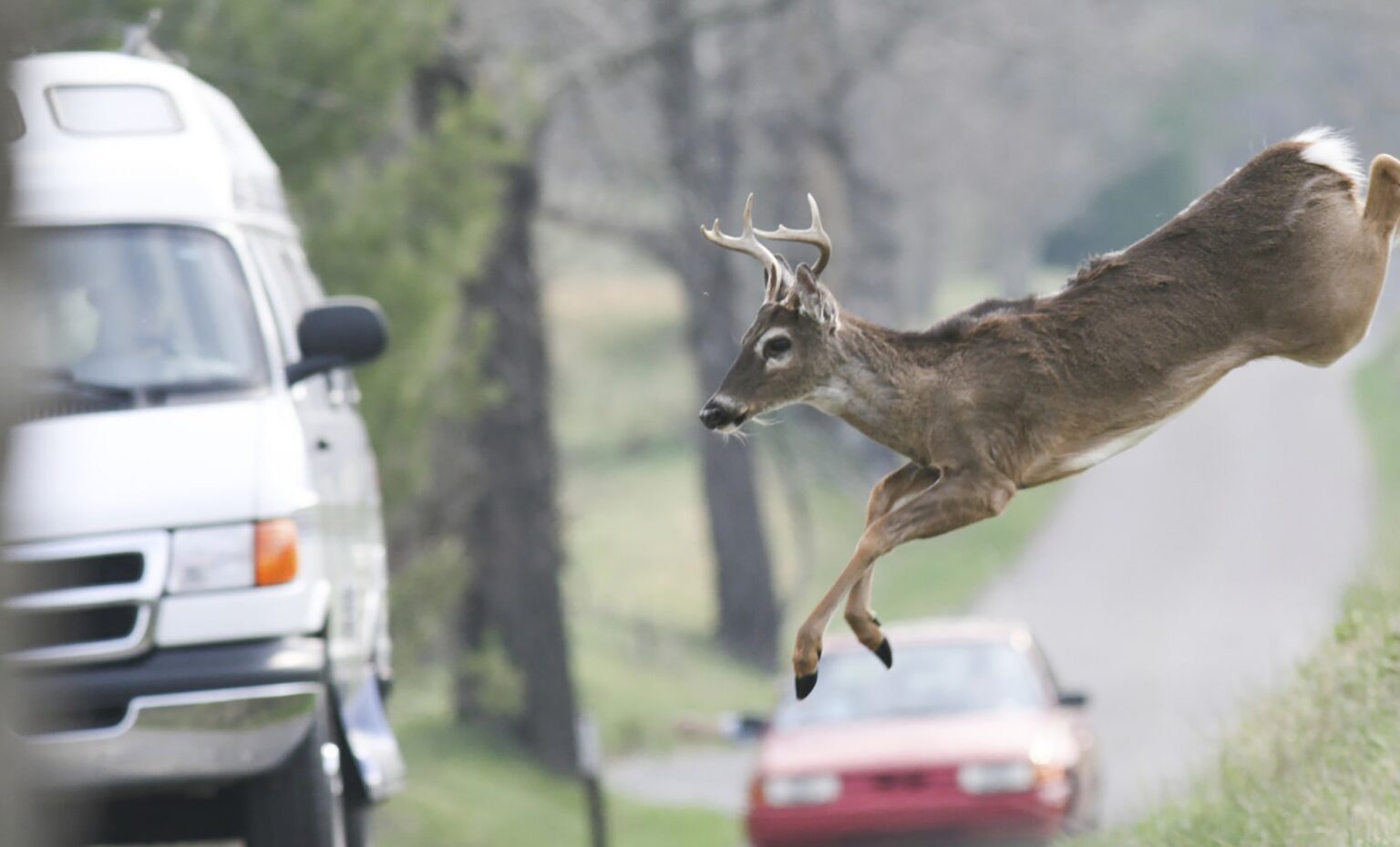
Late fall marks what hunters call the rut, or deer mating season. During this period, deer – especially bucks – behave unpredictably. As bucks chase doe, or female deer, across pastures, they may dart across busy roadways.
“They’re not paying attention to roads or cars,” Szlachtowski says. “Their focus is on mating. Male deer during the rut are acting like teenage boys at senior prom.”
This explains why Texas roads see a spike in deer collisions during these months, particularly at dawn, dusk, and overnight hours.
Wild Hogs: A Year-Round Hazard for Drivers
Unlike deer, wild hogs pose a risk year-round. Classified as nuisance animals in Texas, hogs have no closed hunting season and no bag limits due to the extensive damage they cause to land, agriculture, and vehicles.
“Pigs are just pigs,” Szlachtowski notes. “They’re unpredictable, heavy, and they don’t hesitate to cross the road.”
Driving at night raises the risk of hitting a wild hog because some can be darker in color, meaning they are harder to see until it’s too late.
What to Do When an Animal Runs Into the Road
Seeing an animal dart into the roadway triggers an instant stress response. Drivers often instinctively want to swerve, but that instinct can be dangerous. Szlachtowski recalls his own experience hitting a wild hog in complete darkness. With oncoming traffic on one side and a deep ditch on the other, he had less than half a second to decide.
“I thought about every option,” he says. “But suddenly jerking the wheel was the worst thing I could do.”
Swerving can lead to head-on collisions with other vehicles, rollover accidents, hitting poles, ditches, or pedestrians, or losing control at high speeds.
“Sometimes hitting the animal is actually safer than trying to dodge it,” Szlachtowski explains. “Especially if you’re going 70 mph down a highway.”
How to Prepare Yourself for Impact with an Animal
When avoiding the animal isn’t safe, the priority shifts to maintaining control and minimizing injury. Drivers should keep their hands at 9 and 3 rather than the traditional 10 and 2 position.
“In case the airbag deploys, you don’t want your arms caught in it,” Szlachtowski explains.
He also advises drivers not to be overly tense or completely relaxed.
“You want to brace yourself, but not be loose. You’re not hitting a wall – deer and pigs won’t stop your vehicle instantly.”
Most deer in Texas weigh between 85 and 130 pounds, while hogs can reach 200 pounds. The impact is jarring but rarely causes an immediate stop.
Step-by-Step After an Animal Collision
- Pull over safely. Don’t stop abruptly in traffic, but Szlachtowski warns, “Never assume your vehicle is okay to drive.”
- Turn on your hazard lights, especially at night, to alert other drivers that you are stopped on the side of the road.
- Inspect your vehicle for visible damage.
- Document everything immediately.
“Start taking pictures right away,” Szlachtowski advises. “Timestamps matter, especially for insurance.”
Photos should include damage to your vehicle, including debris or animal fur, the surrounding area of where the accident happened, and the animal if it is visible and safe to get close enough for a picture.
Should You Approach the Animal?
Approaching an injured or deceased animal can be extremely dangerous.
“Be very careful,” Szlachtowski warns. “A wild hog or a buck with antlers can seriously hurt you. If the animal is injured, but not dead, it could act sporadically and cause you more harm.”
Even animals that appear dead may still move or react. Videos online show hunters and drivers being injured by animals assumed to be lifeless.
“If you’re not comfortable, don’t do it,” he says. “Call law enforcement or a game warden.”
Are You Required to Move a Dead Animal in Texas?
In most cases, no.
“If you’re on a public road, you’re generally not required to remove the animal,” Szlachtowski explains. “It’s not your property.”
Additionally, Texas law prohibits individuals from taking roadkill in many situations, particularly without proper authorization.
Should You Seek Medical Attention After Hitting an Animal?
Getting medical treatment after hitting an animal may not always be necessary. If the impact was minimal, the airbags didn’t deploy, and you feel okay, you may not need to see a doctor. However, even if you feel fine initially, injuries can appear hours or days later. It’s never a bad idea to get checked out, just in case.
“No one should ever be discouraged from seeking medical care,” Szlachtowski says.
However, animal collisions present a unique insurance challenge.
“There’s no at-fault party,” he explains. “You can’t sue the deer. You can’t sue the pig.”
That means medical bills may not be covered the same way they would be in a traditional car accident involving another driver.
“If you feel pain, go to urgent care or see your doctor,” he advises. “Don’t sit on pain hoping it goes away.”
Insurance Coverage: Comprehensive vs. Collision in Texas
Hitting an Animal Is Usually Comprehensive
One of the most misunderstood aspects of animal collisions is insurance coverage.
“When I hit the hog, I learned it wasn’t covered under collision; it was covered under comprehensive,” Szlachtowski says.
Comprehensive coverage typically applies because you were not at fault. The animal acted unpredictably, you didn’t deliberately cause an accident, and this is typically considered an Act of God.
The good news is that deductibles for comprehensive claims are often lower than collision deductibles, and generally don’t cause your insurance rates to increase. It’s treated the same as hail damage or a tree falling on your car.
What If You Swerved to Miss the Animal and Hit Something Else?
Insurance may give you a hard time after hitting an animal without the right proof and documentation, but if you try to avoid hitting the animal and cause more damage in the process, your insurance claim may become even more complex.
“If you try to avoid hitting the animal and end up hitting a pole or another vehicle, you could be found at fault at that point because you made a decision that led to an accident,” Szlachtowski explains.
Insurance companies may view that as a driver decision rather than an unavoidable event, especially without witnesses or documentation.
“In Texas, insurers would much rather you hit the animal rather than hitting another car or a person,” he said.
Hitting an Animal: Final Takeaways for Texas Drivers
At the end of the day, collisions with animals – whether it be deer, hogs, or coyotes – are just part of driving in Texas. They’re sudden, stressful, and often impossible to avoid, but knowing what to expect and how to respond can go a long way in keeping drivers safe and limiting the financial impact.
“Pay attention to what’s going on around you. If you do hit an animal, document everything and protect yourself first,” Szlachtowski said. “If you really want to help your fellow Texans, get a hunting license and take some wild game.”
With Texas’s large wildlife population not going anywhere anytime soon, it’s no surprise these incidents happen as often as they do. While drivers can’t control when an animal crosses the road, staying alert, prepared, and informed can make all the difference when it does.