Autora: Shelby Benavidez
Abogado colaborador: Cory Smith, abogado
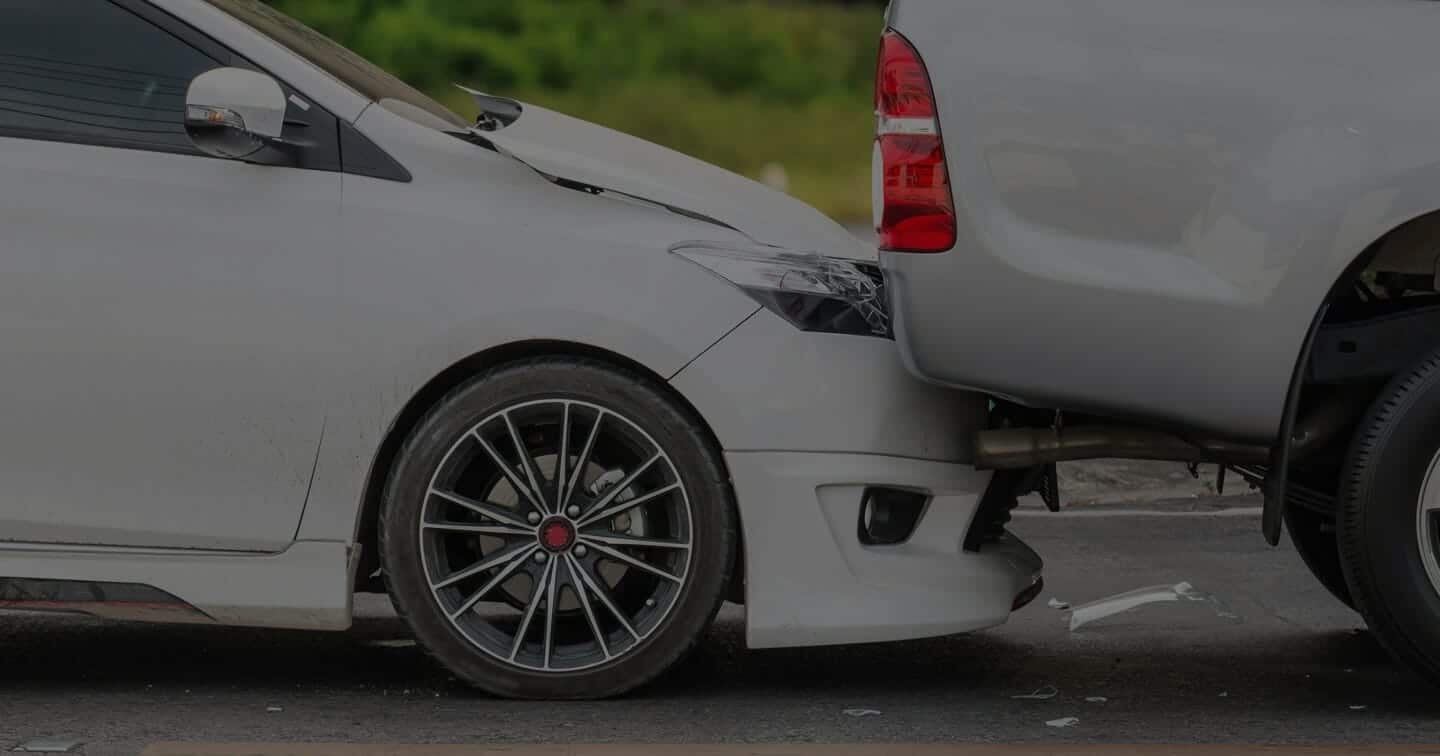
Cada año, millones de accidentes automovilísticos ocurren en Estados Unidos, muchos de ellos colisiones menores, comúnmente conocidas como choques leves. Si bien estos choques pueden parecer simples, incluso un accidente a baja velocidad puede ocasionar daños al vehículo, lesiones internas y complejas reclamaciones de seguros.
Por muy precavido que seas al volante, no puedes controlar a los conductores distraídos, las frenadas bruscas ni las condiciones peligrosas de la carretera. Por eso es tan importante saber qué hacer después de un pequeño accidente. Las medidas que tomes inmediatamente después de un accidente de tráfico leve pueden proteger tu salud y evitar costosos problemas con las compañías de seguros.
En esta guía, repasaremos seis pasos cruciales que debe seguir después de un pequeño accidente de tráfico para proteger sus derechos legales y su tranquilidad.
1. Deténgase inmediatamente y diríjase a un lugar seguro.
Tras cualquier accidente automovilístico (incluso uno menor), su primera responsabilidad legal es detenerse. Abandonar el lugar del accidente puede considerarse un delito de fuga tras un accidente, que conlleva graves sanciones según la ley de accidentes de tránsito de Texas.
En Texas, Los conductores están obligados a sacar sus vehículos de los carriles de circulación activa. Si el vehículo está en condiciones de circular y es seguro hacerlo, puede estacionarlo en el arcén, en un estacionamiento cercano o en otra zona segura. Esto ayuda a prevenir colisiones secundarias y reduce el riesgo de obstruir el tráfico.
Si su vehículo no se puede mover, encienda las luces de emergencia y espere a que llegue la ayuda. La seguridad siempre debe ser lo primero después de un pequeño choque.
2. Llama a la policía
Según la ley de accidentes automovilísticos de Texas, Debes reportar un accidente si alguien resulta herido. o si los daños a la propiedad parecen superar los 1000. Dado que es difícil estimar los costos de reparación en el lugar del accidente, siempre debe comunicarse con las autoridades, incluso después de un accidente que parezca menor.
Si los agentes acuden al lugar, asegurarán la escena, facilitarán el intercambio de información entre los conductores, recabarán declaraciones de los testigos y elaborarán un informe oficial del accidente. Este informe puede ser una prueba clave en su reclamación por accidente de tráfico, especialmente si se disputa la responsabilidad.
Al hablar con la policía, proporcione información veraz y concisa sobre lo sucedido. Evite las especulaciones. Si desconoce algo, no dude en decirlo.
3. Ten cuidado con lo que dices.
Es normal sentirse conmocionado después de un pequeño choque. Sin embargo, lo que digas en esos primeros minutos puede afectar tu reclamación al seguro tras un accidente de coche.
Evite disculparse o hacer declaraciones que puedan interpretarse como una admisión de culpa. Incluso decir "Lo siento mucho, no te vi" podría usarse en su contra durante el proceso de reclamación.
Determinar la responsabilidad en un accidente automovilístico menor requiere una revisión exhaustiva de las pruebas, incluyendo informes policiales, declaraciones de testigos y daños al vehículo. Puede haber factores contribuyentes que usted desconozca, como la conducción distraída, el exceso de velocidad o problemas mecánicos.
Puedes y debes asegurarte de que todos estén a salvo. Además, limita las conversaciones y permite que las autoridades recaben la información necesaria.
4. Documente la escena minuciosamente.
Una buena documentación puede influir significativamente en el resultado de una reclamación por accidente de tráfico. Tras asegurarse de que todos están a salvo y contactar con la policía, comience a recopilar pruebas.
Toma fotos y videos nítidos de la posición final de ambos vehículos y de los daños sufridos. Intenta fotografiarlos desde todos los ángulos e incluye la matrícula si es posible. Incluye también fotografías del estado de la carretera, marcas de frenada o escombros, y cualquier daño visible.
Además de las pruebas visuales, anota todo lo que recuerdes del accidente automovilístico mientras aún lo tengas presente. Documenta la fecha y la hora del choque, tu relato de cómo ocurrió y cómo te sentías. Si los síntomas cambian con el tiempo, ¡anótalo también!
Recopile el nombre y la información de contacto del otro conductor, la compañía de seguros y el número de póliza, el número de licencia de conducir y el número de matrícula. Si hay testigos, obtenga su información de contacto. Como se mencionó anteriormente, un agente de policía puede ayudar a recopilar esta información si es necesario.
Cuantas más pruebas reúnas después de un pequeño accidente de tráfico, más sólida será tu posición al presentar una reclamación al seguro.
5. Notifique a su compañía de seguros de inmediato.
Si el choque leve parece menor, muchos conductores pueden intentar resolverlo sin involucrar al seguro. Sin embargo, siempre debe informar del accidente a su compañía de seguros, sin importar cuán menores parezcan los daños. La mayoría Las pólizas de seguro de automóvil requieren que usted reporte un accidente dentro de las 24 horas..
Al hablar con su compañía de seguros, aténgase a los hechos. No intente especular sobre los detalles del accidente. Si le hacen una pregunta cuya respuesta desconoce, no hay problema en decir que no la sabe. Tenga cuidado al proporcionar declaraciones grabadas sin comprender completamente la situación. Es importante que su descripción del accidente sea precisa y coherente.
Al informar sobre lesiones, tenga mucho cuidado con lo que dice. Incluso si se siente bien, le recomendamos evitar hacer cualquier comentario antes de que lo examine un médico. Puede que tenga lesiones internas que están siendo enmascaradas por la adrenalina.Una vez que le digas a la compañía de seguros que te sientes bien, es posible que intenten minimizar o desestimar cualquier síntoma que surja más adelante.
Si la compañía de seguros del otro conductor se comunica con usted para ofrecerle un acuerdo rápido, considere cuidadosamente sus opciones antes de responder. Las ofertas iniciales en casos de accidentes automovilísticos menores suelen ser inferiores al valor total de los gastos médicos, la pérdida de ingresos o el tratamiento continuo.
6. Hable con un abogado especializado en accidentes de tráfico.
Muchos conductores creen que un pequeño choque no justifica consultar con un abogado. Sin embargo, incluso un accidente automovilístico menor puede complicarse, especialmente si se producen lesiones posteriormente o si se disputa la responsabilidad.
Antes de aceptar cualquier oferta de acuerdo, le recomendamos encarecidamente que hable con un abogado especializado en accidentes de tráfico.Tras un accidente de tráfico leve, un abogado puede ofrecerle una consulta y evaluación gratuitas de su caso. Una vez que firme el contrato, su abogado se encargará de toda la comunicación con los peritos de seguros, explorará todas las opciones de cobertura y le ayudará a obtener la máxima indemnización por sus lesiones.
Las compañías de seguros se centran en minimizar las indemnizaciones. Contar con representación legal puede ayudar a equilibrar la situación y proteger sus derechos. Incluso si finalmente decide no emprender acciones legales, una consulta con un abogado especializado en accidentes de tráfico puede brindarle claridad y tranquilidad.
Conclusiones clave: Saber qué hacer después de un pequeño choque te protege.
Un pequeño choque puede resultar abrumador en el momento. Entre los daños al vehículo, las preguntas sobre el seguro y la preocupación por las lesiones, es fácil sentirse inseguro sobre qué hacer a continuación.
Saber qué hacer después de un pequeño accidente te permite mantener la calma y tomar decisiones informadas. Al priorizar la seguridad, documentar el incidente y gestionar cuidadosamente tu reclamación al seguro, reduces el riesgo de complicaciones a largo plazo. Incluso un accidente menor merece atención. Tomar las medidas adecuadas ahora puede prevenir estrés innecesario, pérdidas económicas y problemas legales en el futuro.
Si recientemente ha estado involucrado en un accidente automovilístico y tiene preguntas sobre sus derechos o su reclamo por accidente de tránsito, hablar con un abogado con experiencia en accidentes de tránsito puede ayudarle a determinar la mejor manera de proceder.
Preguntas frecuentes después de un choque leve
¿Qué debo hacer inmediatamente después de un pequeño choque?
Tras un choque leve, detenga su vehículo, verifique si hay heridos y, si es posible, estacione su auto en un lugar seguro. La ley de Texas exige que los conductores retiren sus vehículos de los carriles de circulación cuando sea seguro hacerlo. Luego, llame a la policía, intercambie información y documente la escena con fotos y notas.
¿Debo llamar a la policía después de un accidente automovilístico menor en Texas?
En Texas, es obligatorio reportar un accidente si hay heridos o si los daños materiales superan los $1,000. Dado que puede ser difícil evaluar los daños del vehículo en el lugar del accidente, generalmente es recomendable llamar a la policía después de un accidente menor. El informe policial puede ser importante al presentar una reclamación por accidente de tránsito.
¿Debo presentar una reclamación al seguro después de un pequeño choque?
Sí. Aunque el accidente parezca leve, debe notificar a su compañía de seguros de inmediato. Algunas lesiones y daños al vehículo pueden no ser evidentes a simple vista. Informar del accidente protege sus derechos y garantiza el cumplimiento de los requisitos de su póliza.
¿Qué ocurre si no me siento lesionado después de un accidente de coche?
Es común no sentir dolor inmediatamente después de un accidente automovilístico debido a la adrenalina. Sin embargo, lesiones como el latigazo cervical, daños en los tejidos blandos y conmociones cerebrales pueden aparecer horas o días después. Si comienza a experimentar dolor, rigidez, dolores de cabeza o mareos, busque atención médica lo antes posible.
¿Qué no se debe decir después de un pequeño choque?
Es mejor evitar disculparse o hacer declaraciones que puedan interpretarse como una admisión de culpa. Incluso los comentarios casuales pueden usarse posteriormente durante una investigación de reclamación de seguro. Limítese a verificar la seguridad de todos y permita que las autoridades recaben declaraciones.
¿Cuándo debo contactar a un abogado especializado en accidentes de tráfico después de un accidente menor?
Si resultó herido en un accidente de tráfico, si se disputa la responsabilidad, si la compañía de seguros rechaza o retrasa su reclamación, o si recibe una oferta irrisoria, le conviene consultar con un abogado especializado en accidentes de tráfico. Incluso tras un accidente menor, la asesoría legal puede proteger sus derechos y garantizarle una indemnización justa.
¿Cuánto tiempo tengo para presentar una reclamación por accidente de coche en Texas?
En la mayoría de los casos, la ley de Texas permite dos años a partir de la fecha del accidente para presentar una demanda por lesiones personales. Sin embargo, según los requisitos de su póliza, las reclamaciones al seguro deben presentarse mucho antes. Esperar demasiado puede perjudicar su capacidad para obtener una indemnización.