Autor: Shelby Benavidez
Abogado colaborador: Spencer Smith, jefe del equipo de abogados
Tabla de contenido
- TL;DR: Key Takeaways About Uninsured and Underinsured Motorist Coverage
- Understanding Uninsured and Underinsured Motorist Coverage
- Factors to Consider Before Rejecting UM/UIM Coverage
- Do You Really Need UM/UIM Coverage?
- UM/UIM: The Coverage You Hope You Never Need
- Frequently Asked Questions About Uninsured and Underinsured Motorist Coverage
TL;DR: Key Takeaways About Uninsured and Underinsured Motorist Coverage
- Uninsured and underinsured motorist coverage (UM/UIM) can help pay for medical bills, lost wages, and other damages if the at-fault driver has no insurance or not enough insurance.
- Texas drivers are not required to carry UM/UIM coverage, but insurance companies must offer it when you buy auto insurance.
- Rejecting UM/UIM coverage may lower your premium, but it could leave you paying out of pocket after an accident with uninsured driver.
- Many experts recommend carrying UM/UIM limits that match your liability coverage for added financial protection.
- If you are injured in an accident with uninsured driver, an experienced attorney can help you explore your legal options.
As a driver, you can do everything right. Obey traffic laws, maintain your insurance policy, and drive responsibly. However, in a matter of seconds, another driver can crash into you – and they may not have insurance or not carry enough coverage to pay for your injuries.
Unfortunately, this situation is more common than many people realize.
That’s where uninsured and underinsured motorist coverage comes in. While it may seem like just another optional add-on to your auto insurance policy, it can provide an important financial safety net when the unexpected happens.
So, do you really need uninsured and underinsured motorist coverage? The answer depends on your circumstances, risk tolerance, and financial situation. Before making a decision, it’s important to understand exactly what this coverage does and what could happen if you don’thave it.
Understanding Uninsured and Underinsured Motorist Coverage
What Is Uninsured Motorist Insurance?
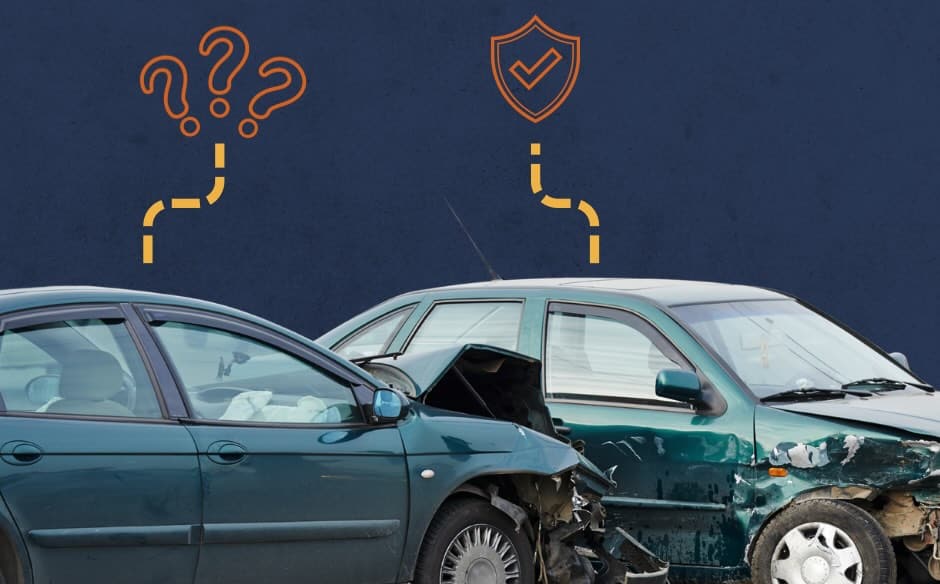
Uninsured and underinsured motorist coverage, often shortened to UM/UIM coverage, helps protect you if you’re injured in a car accident caused by a driver who either doesn’t have auto insurance at all or has insurance, but not enough to fully cover your damages.
En Texas, minimum liability insurance requires drivers to carry at least $30,000 in bodily injury coverage. That may not be enough to pay for serious injuries. And unfortunately, some drivers just don’t carry insurance. If your medical expenses exceed the at-fault driver’s policy limits(or if they didn’t have any to begin with), uninsured and underinsured motorist coverage may help bridge the gap.
What Does Uninsured Motorist Insurance Cover?
Coverage can vary by policy, but uninsured motorist insurance generally helps pay for medical expenses, lost wages, pain and suffering, damage caused by hit-and-run drivers, and vehicle repairs or replacement if property damage is included. Funeral expenses in fatal accidents may also be covered.
For example, if you’re involved in an accident with an uninsured driver and have to have surgery, UM/UIM coverage may help cover that cost that would otherwise come directly out of your pocket.
However, every insurance policy is different. Reviewing your policy with your insurance agent can help you understand exactly what protections you have.
Is Uninsured Underinsured Motorist Coverage Required in Texas?
Texas law does not require drivers to carry uninsured and underinsured motorist coverage.
However, Texas insurance companies are required to offer UM/UIM coverage when you purchase an auto policy. If you choose not to purchase it, you must reject the coverage in writing.
Because UM/UIM coverage is optional, many drivers decline it in an effort to save money on their premiums. Before doing so, it’s important to consider the potential financial risks.
Factors to Consider Before Rejecting UM/UIM Coverage
Why Would You Reject Uninsured Motorist Coverage?
There are several reasons someone might decide to reject uninsured motorist coverage.
The most common reason is cost. Adding UM/UIM coverage increases insurance premiums, and some drivers may feel they cannot fit the additional expense into their budget.
Others may reject coverage because they believe, “Getting hit by an uninsured driver? That won’t happen to me.” Some may decide that carrying UM/UIM coverage is redundant because they already pay for health insurance. But health insurance doesn’t always cover every cost associated with a car accident, and insurers typically expect to be reimbursed for accident-related medical bills.
Declining UM/UIM coverage can expose you to significant financial hardship if you’re seriously injured in a crash caused by an uninsured or underinsured driver, and deciding whether to reject coverage comes down to your personal financial situation and comfort with risk.
What Is a Good Amount for Underinsured Motorist Coverage?
As experienced car accident attorneys, we recommend purchasing UM/UIM limits that are equal to your bodily injury liability limits.
For example, if your policy includes $100,000 per person in bodily injury liability coverage and $300,000 per accident in bodily injury liability coverage, you may want to carry the same limits for your uninsured and underinsured motorist coverage.
Higher coverage limits generally provide greater financial protection, especially if you suffer catastrophic injuries requiring extensive medical treatment.
When choosing coverage limits, consider all the factors that would come into play after an accident. What is your current income and future earning potential? What assets would you want to protect? Are you really able to pay out of pocket for expenses after a crash? Your coverage limits should reflect the level of financial protection you would need in a worst-case scenario.
Do You Really Need UM/UIM Coverage?
What Happens if You Don’t Have UM/UIM Coverage?
Without uninsured and underinsured motorist coverage, you may have limited options after an accident with an uninsured driver.
Depending on the circumstances, you may need to rely solely on your health insurance, which means paying your deductibles and hoping it covers all your expenses. Your other option would likely be to absorb losses that couldn’t be recovered.
You could also try to sue the driver personally. However, drivers who lack insurance often don’t have significant assets, which can make recovering compensation difficult. If you were injured in a hit-and-run accident, pursuing a lawsuit can be even more challenging because the driver may never be identified or located.
As a result, you may be left with substantial financial burdens following a serious crash.
Is UM/UIM Worth It?
In our opinion, UM/UIM coverage is absolutely worth the cost for Texas drivers.
UM/UIM coverage can provide valuable protection against situations that are completely outside your control. And the true value of UM/UIM coverage often becomes clear after an accident occurs. In many cases, drivers who declined coverage discover too late that the money they saved on premiums pales in comparison to the expenses they now face.
While every driver’s circumstances are different, the peace of mind alone makes UM/UIM coverage worthwhile.
Get a Free Consultation With a Car Accident Attorney
If you’ve been injured in an accident involving an uninsured or underinsured driver, you may still have legal options. An experienced car accident attorney can investigate the crash, identify all available insurance coverage, and help you pursue the compensation you deserve.
At Daniel Stark Injury Lawyers, our team is committed to protecting injured Texans from being taken advantage of by insurance companies. We offer free consultations, and you won’t pay attorney’s fees unless we recover money for you.
UM/UIM: The Coverage You Hope You Never Need
Most people buy insurance for events they hope never happen. Uninsured and underinsured motorist coverage falls squarely into that category.
You may never need to use it – we hope you don’t. But if you’re seriously injured by someone who lacks adequate insurance, having UM/UIM coverage could make a tremendous difference in your financial recovery and peace of mind.
As you review your auto insurance policy, ask yourself a simple question: If another driver’s lack of insurance left you facing thousands of dollars in medical bills, would you be financially prepared?
If the answer is no, uninsured and underinsured motorist coverage may deserve a closer look.
And if you’ve already been injured in a crash, learn more about our auto wreck attorney services to see how Daniel Stark Injury Lawyers can help protect your rights and pursue the compensation you deserve.
Frequently Asked Questions About Uninsured and Underinsured Motorist Coverage
Am I Covered if Hit by an Uninsured Driver?
If you carry uninsured motorist coverage, your policy may help cover damages caused by an uninsured driver, subject to your policy limits and terms.
Does Uninsured Motorist Coverage Cover Hit-and-Run Accidents?
In many cases, yes. Texas uninsured motorist coverage often applies to hit-and-run accidents, although specific requirements may apply.
Can I Sue an Uninsured Driver After an Accident?
Yes. You can generally file a lawsuit against an uninsured driver. However, recovering compensation may be challenging if the driver lacks assets.
Does Health Insurance Replace UM/UIM Coverage?
Not necessarily. Health insurance may cover medical treatment, but it typically doesn’t compensate you for lost wages, pain and suffering, or other accident-related damages. Health insurance providers may also expect reimbursement for anything they pay out in relation to a car accident claim.
Is Car Insurance for Uninsured Drivers Available?
Yes. Drivers who have difficulty obtaining traditional insurance may still be able to purchase coverage through high-risk insurance providers. Texas law requires all drivers to maintain minimum liability insurance coverage.
Can UM/UIM Coverage Apply if I Am a Passenger?
In many situations, yes. Depending on the policy language, uninsured and underinsured motorist coverage may extend to passengers injured in a covered vehicle.